|
Prevention of Heart Disease is a Lifelong Commitment

by Thoo Chuah
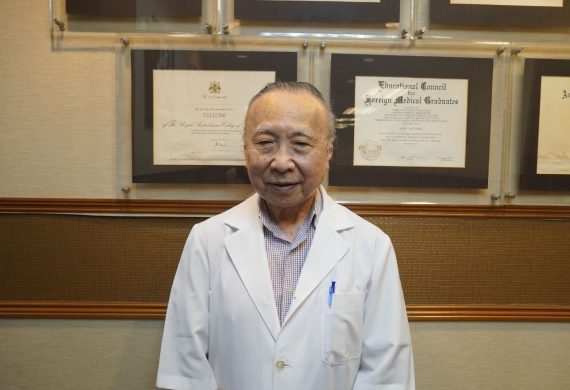
In an exclusive heartline feature, we sat down with Prof Tan Huay Cheem, Chairman of the Singapore Heart Foundation (SHF), to explore his visionary approach to fostering a heart-healthy Singapore.
As Chairman of SHF, Prof Tan Huay Cheem has long been convinced that heart disease, especially coronary heart disease, is preventable. He strongly advocates moving away from the reactive mindset of treating the disease only when it manifests itself in the form of heart attacks or heart failure.
“It is a ‘flawed’ mindset to treat the disease only when it is associated with events such as heart attacks or heart failure. Prevention, regression and even disease reversal are possible, but they require early and sustained efforts. It is not a one-off solution, but a lifelong continuum,” says Prof Tan.
He says Singapore has made great strides in implementing many preventive approaches nationwide. From public education in schools and mass media to initiatives under the Healthier SG programme, the country promotes healthy lifestyles through exercise, nutrition, regular screening and early intervention. Mobilising the population, policy changes in food labelling and workplace wellness campaigns are also essential components.
However, the journey is not without its challenges. Prof Tan points to deeply ingrained cultural habits such as dietary habits, lack of exercise and persistent smoking, all of which are difficult to change. Unlike medical treatments, prevention measures are not immediate in benefits, making it harder to motivate people to change their lifestyle in the long term. In addition, the healthcare system often does not provide the right incentives at the primary care level. “The general practitioners are constrained by a lack of time, limited support and minimal financial incentives for preventative measures,” he notes.
There is also a lack of trained staff in preventative cardiology, health coaching and behavioural science, and health literacy issues. “Some groups, particularly low-income or certain ethnic communities, may not participate in regular screenings or are not aware of their risk factors,” he adds. “Prevention efforts require cross-sector collaboration from transport and food regulations to education and urban planning, and this integration is ongoing.
Despite these hurdles, Prof Tan remains hopeful. “When someone develops heart disease, it reflects a breakdown in upstream care. To reverse this trend, we need political will, strong governance, cultural change and committed partnerships at all levels of society.”
SHF’s Role in Community Heart Health
Founded in 1970, SHF has evolved from focusing on public education and awareness into a multidimensional organisation. Under the leadership of Prof Tan, SHF has actively translated awareness into concrete measures.
Today, it organises national campaigns, runs cardiac rehabilitation centres, trains tens of thousands in CPR+AED, supports patients in need and funds research into the heart health of the population.
The Foundation’s Heart Wellness Programme supports at-risk individuals and heart patients through exercise classes, lifestyle counselling and rehabilitation. Complementing this is the Healthy Heart Support Group, which plays an equally important role by providing emotional and social support to heart patients and their caregivers. “Lifestyle change is more sustainable if you don’t walk the path alone,” says Prof Tan.
Meanwhile, the Heart Safe initiative equips members of the public with lifesaving training and ensures that public places are fitted with automated external defibrillators (AEDs), enabling community first responders to respond swiftly during cardiac emergencies.
Every year, SHF’s National Heart Week/World Heart Day serves as a significant platform for public engagement, offering health screenings, nutrition education, exercise classes and public talks. “We focus on making healthy lifestyles accessible, whether by teaching people to read nutritional labels or getting families involved in physical activity,” he explains. Working with schools and workplaces helps to embed heart-healthy habits early in life and to reinforce them in adulthood.
“When I began my Chairmanship in 2019, I set three priorities, namely: advocacy, education and training,” explains Prof Tan. “We worked closely with government agencies to advocate for clearer food labelling, such as the Nutri-Grade for salt and saturated fat. We have expanded our online resources and spread heart health messages through online resources and media platforms in traditional and social media.”
He also invested in upskilling SHF staff to make a long-term impact. “Empowered staff are at the heart of what we do. A well-trained team can provide evidence-based care and create meaningful experiences for our community.”
“As SHF celebrates its 55th anniversary, we honour the years and the lives we have impacted. Every heart strengthened, every life prolonged, every family spared the pain of loss, these are our true milestones,” says Prof Tan.
Prevention at Heart: A Personal Reflection by Prof Tan Huay Cheem
What does ‘prevention’ personally mean to you as a senior cardiologist and as Chairman of SHF?
As a senior cardiologist, I have witnessed first-hand the devastating effects of heart disease, not just on patients but on entire families. I have also seen how much of this suffering could have been prevented. For me, heart disease is not just a medical problem but often a failure of upstream care.
Prevention, in its most valid form, is about empowering individuals. It’s about equipping people with the knowledge, tools and confidence to make informed, heart-healthy choices. It doesn’t require major upheaval; it’s just consistent, small steps. A brisk walk, a home-cooked meal with less salt and timely check-ups are all simple actions that can change lives.
As Chairman of SHF, I believe that prevention also means building a culture of awareness, access and accountability. It’s about reaching people where they live, work, learn and play, and ensuring everyone, especially the most vulnerable, feels supported on his/her journey to a healthier heart.
What role could schools, workplaces and the community play in preventing heart disease?
It truly takes a whole village to prevent heart disease. Schools can nurture heart-healthy habits from a young age, teach our children the importance of good nutrition, regular exercise and mental well-being. Our BP Initiative @ Schools is the inroad to this. Workplaces can support adults by promoting healthier lifestyles, encouraging regular health checks and creating an
environment where heart health is a priority and not an afterthought. We are reaching out to more organisations to collaborate. And in our wider community, every event, every conversation, and every shared effort can build a culture where looking after our heart is simply part of how we live. Together, every small step becomes part of a larger movement.
If you could encourage every Singaporean to make just one change today for a healthier heart, what would it be, and why?
It would be to manage their weight. It’s not just about appearance but about healthier eating, regular exercise and preventing conditions like diabetes, high blood pressure and high blood cholesterol. By controlling our weight, we adopt a disciplined lifestyle that reduces the risk of heart disease. Obesity is a growing public health issue affecting individuals, families and communities. Small, consistent changes, such as eating better, moving more, can protect our hearts and lead to a long, fulfilling life.