|
Rice or Not?
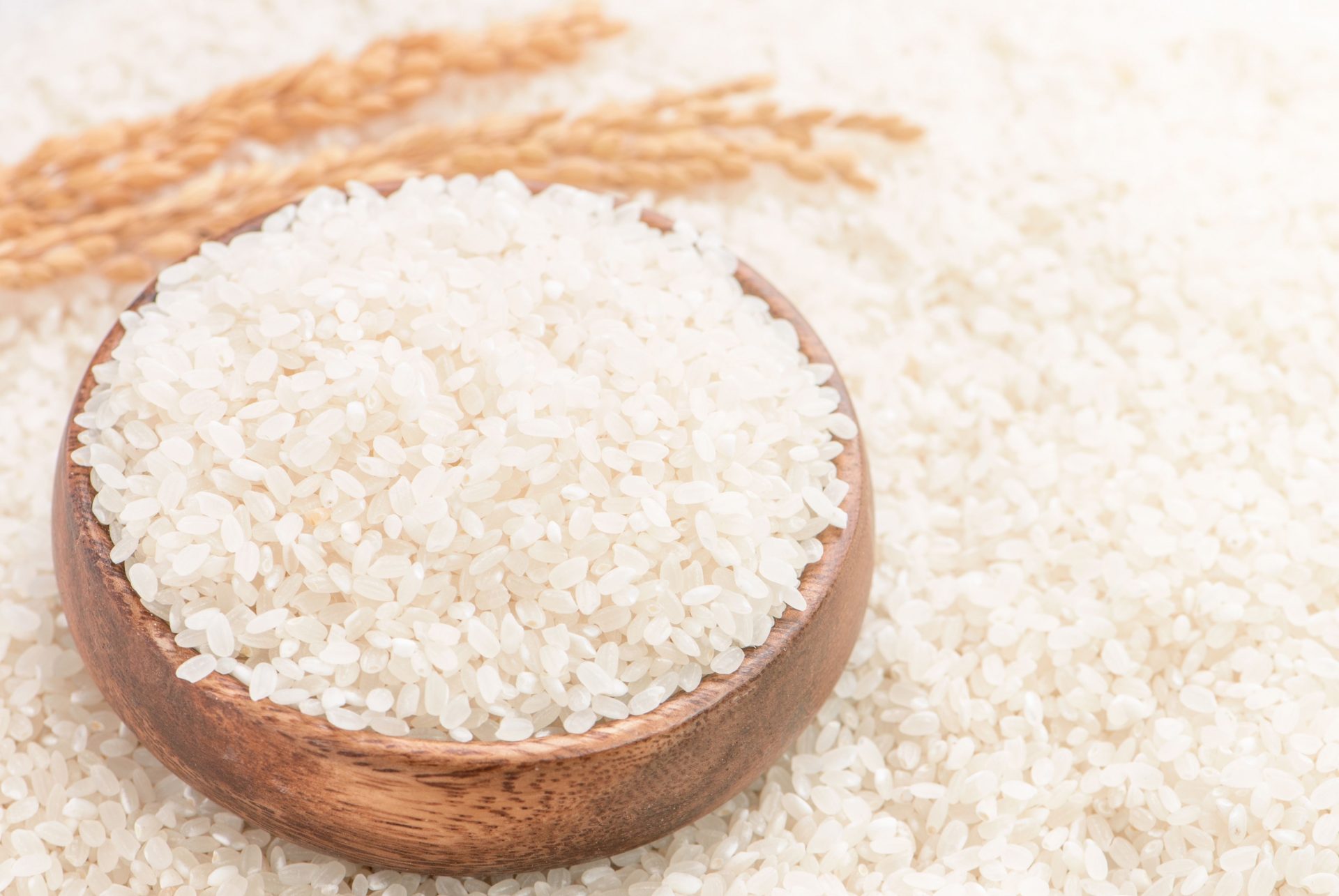
White rice, which is a staple food commonly consumed by many, has recently been flagged as one of the main agents for diabetes (“Hooked on white rice, but some ready to change diet” – The Straits Times, 6 April 2016). The article suggested that it was due to the high glycemic index (GI).
GI measures how carbohydrate-containing food raises blood glucose. As such, food high in carbohydrates (e.g. sugar) are likely to have a higher GI. Frequent consumption of high GI food (e.g. white rice) has been suggested to raise an individual’s risk of diabetes.
However, in an actual diet, it is notable that white rice is typically consumed with other food groups, such as meat and vegetables. This is likely to delay the digestion process and minimise the potential increase in blood glucose by the white rice. Therefore, the risk of diabetes and white rice intake may not be as pronounced as suggested.
Choosing unrefined grains (e.g. brown rice) would provide more health benefits than refined grains (e.g. white rice). Apart from its lower GI, unrefined grains are also richer in dietary fibre, vitamins, minerals and phytochemicals. Hence, incorporating unrefined grains could potentially reduce one’s risk of diabetes and other chronic diseases. For instance, you may substitute a portion of white rice for brown rice or include a portion of oats for more goodness.
Nevertheless, it is important to know that GI is not the main factor that can contribute to diabetic risk. A balanced and healthy diet, along with an active lifestyle are the best weapons in the fight against chronic diseases.
Opinion contributed by Mr Lim Kiat, Senior Nutritionist at SHF.