|
Risks of COVID-19 on Cardiovascular Disease Patients
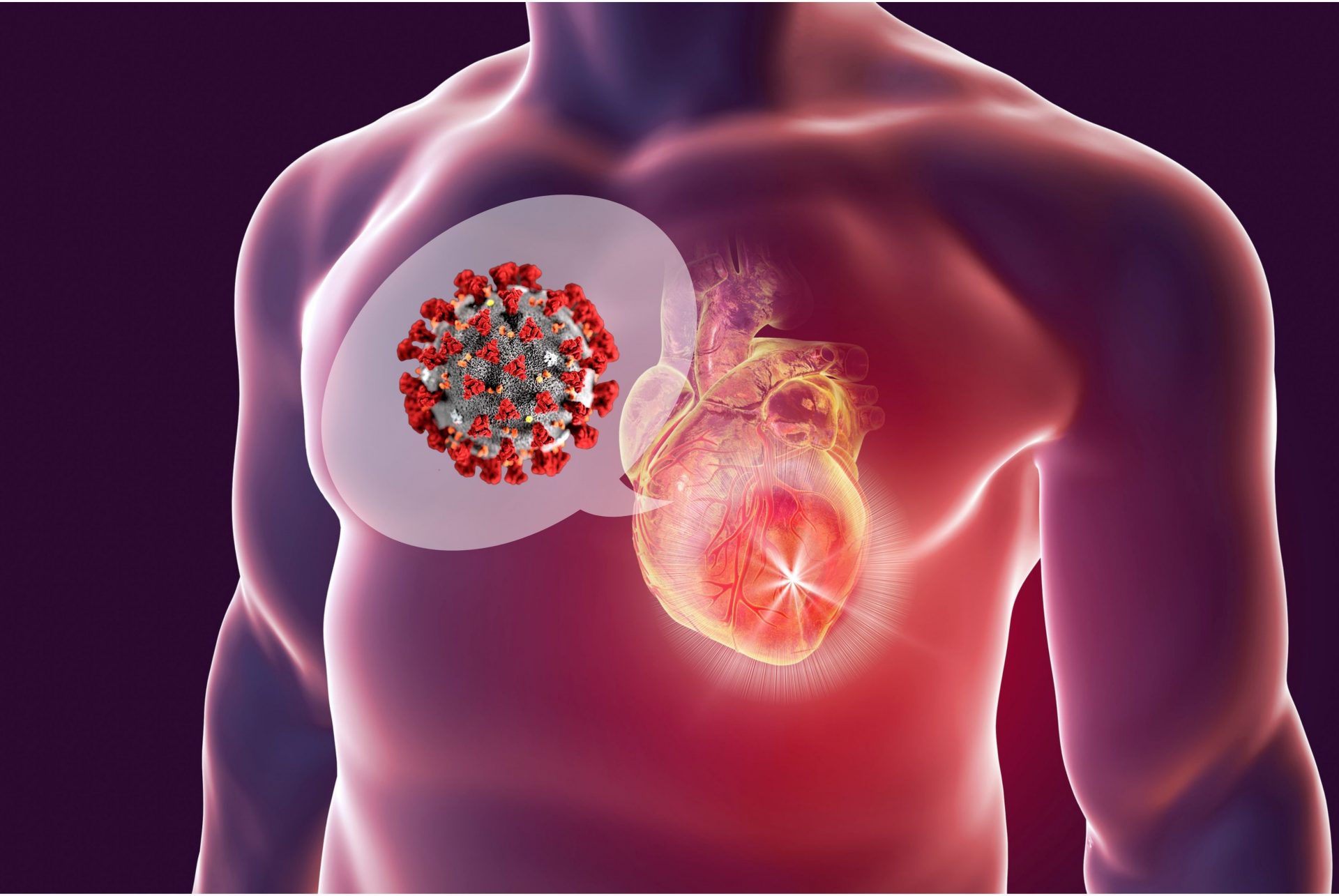
COVID-19 is a disease caused by a virus given the name SARS-CoV-2. With the COVID-19 disease spreading across China, parts of Asia and the world, those with chronic illnesses, including heart disease, are worried about the impact of this novel viral infection on their health.
It has been recognised that there is a connection between infection and cardiovascular events as seen in the influenza pandemics around the world in the early part of the 20th century. Both Severe Acute Respiratory Syndrome (SARS) and Middle East Respiratory Syndrome (MERS) have also been linked to heart attacks, heart inflammation, and heart failure. This was because of the twin effects of the virus attacking the cells and because the body mounts an immune response to the virus.
We are all aware of the spike in heart attacks during winter, which is suspected to be due to the influenza (flu) outbreak during these cold periods. In the first week after suffering from an influenza attack, the risk of heart attacks is 6 to 10 times more likely. Recent evidence has also emerged for the protective effects of vaccines in minimising heart events such as:
- Heart failure
- Irregular heartbeat (Atrial fibrillation) that can lead to other heart-related complications
- A build-up of plaque in the arteries that delivers blood to various organs (atherosclerosis)
Currently, various international heart societies recommend routine vaccination for respiratory pathogens in patients with heart disease.
What happens when a virus attacks a heart patient?
The direct effects tend to be related to the virus entering the cell and destroying them. This is especially relevant when such damage occurs in the inner lining of the blood vessel (ie endothelium).
The endothelial wall changes and becomes more sticky to white blood cells. These white blood cells enter the wall easily along with bad fat such as oxidised low-density lipoprotein ( LDL – bad cholesterol) and forms a fatty plaque. Patients then produce breakdown proteins (called matrix metalloproteinases) to try to break down this fatty plaque, which then blocks an artery leading to the heart, thus resulting in a heart attack .
The indirect effects on the heart involve the reaction of the body in order to destroy the virus. This includes dehydration, increased demand for oxygen, a drop in oxygen levels in blood, and altered clotting of blood.
COVID-19, heart disease, and the elderly
COVID-19 carries an increased risk of complications in patients with heart disease. Currently, up to 40% of those hospitalised have cardiovascular disease. One early study from the first known outbreak site noted that:
- 16.7% of patients develop irregular heartbeat rhythms
- 8.5% of patients suffer from shock (a severe form of heart failure)
- 7.2% of patients developed a heart injury
- Some patients also have heart inflammation (myocarditis)
As far as chronic heart disease is concerned, there is a clear understanding that the fatty plaque or atherosclerosis, as seen in patients with heart disease, is an inflammatory process which can worsen or be initiated by viral infections. Viral infection has been shown to be pro-atherogenic as seen by the effects of vaccination in lowering heart events.
Elderly patients in an area of viral spread should especially watch out for symptoms such as cough or breathlessness as fever may not be always present. If you or your loved ones are taking care of the elderly, you should ensure that they follow important precautions such as:
- Frequent washing of the hands
- Ensuring routine vaccinations are up to date
- Following local guidelines
You should also make sure that the elderly comply with routine heart medication, especially:
- Aspirin, keeps the blood thin and makes them less liable to clot in blood vessels
- Medications that stabilise the heart (Beta-blockers)
- Medications that lower cholesterol (Statins)
- ACE inhibitors as they stabilise blood pressure
Specific antiviral drugs are also available which have been shown to be effective in patients with heart disease along with supportive treatment both in the current situation and in previous viral outbreaks.
Article contributed by Dr Nandakumar Ramasami, Cardiologist from the Mount Elizabeth Novena Specialist Centre, in collaboration with doctorxdentist.
5 tips for heart patients
- Stay home as much as possible. If you need to go out, wear a mask and maintain safe distancing of at least 1 metre
- Pay attention to personal hygiene, i.e. wash your hands often with soap and water for at least 20 seconds
- Raise personal immunity by exercising, eating healthy and resting adequately
- Continue prescribed medication
- Consider getting a flu vaccine to protect against other viral infections.
– Prof Tan Huay Cheem, Chairman, Singapore Heart Foundation