|
Sudden Death During Exercise

Several decades ago, a well-liked, knowledgeable, charismatic chubby professor told us that our lifespan is limited by the number of heartbeats. When we exercise, our heart rate increases, and it would reduce our longevity. Furthermore, the news headline flashes a young and healthy man who died suddenly during a marathon. We are born to move. But are we born to run? Try asking this question to those who still live in the wild.
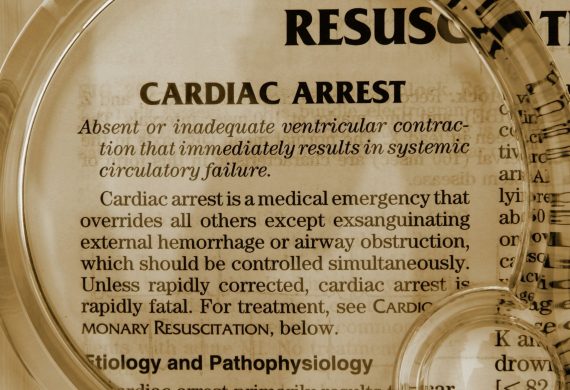
Most of us are aware that sudden death can occur at any time to anyone. He or she may be sleeping, having a good time or eating. As such, it is not surprising that a person may die suddenly while engaging in some form of physical activity. But media reports of these sudden cardiac arrest deaths usually evoke exaggerated emotional reactions among the public because they are counterintuitive and sensational, especially when the victim is a young and seemingly healthy individual like a sportsman.
In fact, every year, around 3,000 people in Singapore suffer out-of-hospital cardiac arrest, and only 25.9% survive.
Health paradox in exercising
Exercise can be a double-edged sword. While physical activity promotes health, strenuous activity can be transiently associated with sudden death. The risk of dying is highest among those who have not been exercising regularly and yet participate in rigorous activities. However, the likelihood of dying diminishes as the person exercises more frequently.
According to the research paper “The Incidence of Primary Cardiac Arrest during Vigorous Exercise”, among healthy men with a low level of habitual physical activity, the risk of sudden death was 56 times higher during vigorous exercise. For those who exercised frequently, the risk of sudden death during vigorous activity was increased by only five times. And for habitually vigorous men, the risk of sudden death was only 40% of those who led a sedentary lifestyle.
Overall, the risk of sudden death during vigorous activity is low, at 1 per 1.51 million episodes for men and 1 in 36.5 million hours of exertion for women. In addition, the likelihood of sudden death is low for both men and women who exercise regularly.
For rare cases, exertion may increase the likelihood of acute plaque rupture resulting in partial or complete blockage of a coronary artery. This phenomenon is one of the underlying mechanisms for sudden death. Endurance sports are also known to impair the contractility and relaxation of the heart. While the reduction in the force of contraction is transient, occurring shortly after a vigorous activity (e.g. running a marathon), the disturbance with the relaxation of the heart persists for at least a month. In addition, after running a marathon, there is also the release of cardiac biomarkers, suggestive of damage to the heart muscle.
Other contributing risk factors for cardiovascular death in young athletes can also include a family history of heart disease, unknown or uncontrolled hypertension, diabetes mellitus or high blood cholesterol.
Keep on Movin’
Don’t fear. Regular exercise has been shown to lower risks of heart attacks and diabetes, and result in better control of chronic diseases, including hypertension. Bone health and general well-being will also be improved.
Start slowly and progress gradually. For example, start walking and get your heart beating. It is estimated that a 55-year-old man who walks 1.6km in 15 minutes has a low fitness level and the lifetime risk of dying from cardiovascular disease (CVD) is 30%. However, as he progresses to complete the same distance in 10 minutes or less, the risk of CVD reduces. Even for an individual with traditional risk factors for heart disease, exercise has been shown to mitigate the likelihood of succumbing to heart disease.
Do not be a weekend warrior. Instead, commit yourself to spend 30 minutes five times a week to move your body. At the same time, eat healthily and rest adequately.
Choose a suitable activity
For someone who is overweight, strenuous activities may be detrimental to the joints, like ankle, knee, hip or back, and can also be straining to the muscles. Not every activity is suitable for every person. For example, spinning has become a craze recently. Using a bicycle to work out reduces the weight that the body needs to bear, putting less mechanical stress on the bones and joints. Being stationary, the ergometer also obliviates the dangers of riding on the road.
But as the activity is usually done in a group – often with intimidating peer pressure – it can lead to muscle meltdown. When the muscle breaks down, toxins and proteins are released into the body, resulting in the blood becoming acidic and damage in the kidneys. This condition, known as rhabdomyolysis, is potentially fatal. Although it does not cause sudden death, these incidents serve as a reminder of the hazards of exercising.
Listen to your body
Take the cautious approach. Go for regular health checks and know your risks.
Older individuals with chronic medical conditions, particularly diabetes, and persons with family members who died suddenly or explained fainting spells, should consult their doctors before embarking on a new exercise programme. Find out the activities that suit you best and the method to monitor yourself during the exercise, such as using heart rate monitors to guide your exercise intensity.
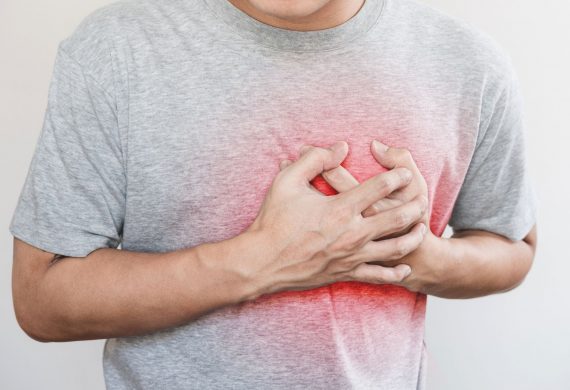
Most importantly, stop exercising if you feel unwell, giddy, chest discomfort, overly breathless or tired.
Article contributed by Dr Mak Koon Hou, Board Member of the Singapore Heart Foundation. He is also a cardiologist in private practice.