|
The Cost of Inaction in Asia-Pacific
Rehabilitation services designed to keep patients well and prevent their hospital re-admission is key to reducing the incidence and cost of recurring heart attacks or strokes. However, lack of patient participation in rehabilitation programmes and adherence to medication are two of the biggest barriers in secondary prevention of CVD that must be addressed.
This is according to a white paper “The Cost of Inaction: Secondary prevention of cardiovascular disease in Asia-Pacific” released in Jun 2020 by leading public policy commentator The Economist Intelligence Unit (EIU). An analysis was conducted to explore the policy response to managing secondary cardiovascular events in eight Asia-Pacific economies — Australia, Mainland China, Hong Kong, Japan, Singapore, South Korea, Taiwan and Thailand – and these are some of the key findings:
- Heart attacks are rising among younger people across the Asia-Pacific markets examined. Taiwanese cardiologist Dr Gary Chih-Sheng Chu attributes this to the prevalence of cigarette smoking, familial hypercholesterolemia, increasingly Western diets, and lack of exercise.
- Singapore sees younger patients presenting with heart failure — roughly ten years younger than their European counterparts and partially attributable to diabetes, according to Dr Audry Shan Yee Lee, associate consultant, National University Heart Centre, Singapore.
- Around a quarter of heart attack or stroke patients in Asia-Pacific are re-hospitalised with follow-on event. In Singapore, a registry study estimates that around 7% of heart attack patients suffer another one within a year. Singapore’s Stroke Registry report also notes that 15% of those who suffered stroke in 2017 had previously experienced transient ischaemic attack — like a mild stroke.
- Heart disease is costing the Asia-Pacific markets US$46.3 billion. The estimated annual direct and indirect costs of ischaemic heart disease and stroke in Singapore amounted to US$7.6 billion, or more than 2% of GDP.
- Only 6% to 15% of eligible patients attend cardiac rehabilitation programmes.
- Older patients may lack caregiver support to attend rehabilitation sessions
- Younger patients – particularly in Asian economies with long working hours – are often unable to attend the limited sessions most hospitals offer due to work commitment
- Many Asians do not see exercise and education as treatment
- Integrated, coordinated patient-centered care, such as implementing individualised care plans, is a necessary goal.
- Patient empowerment is essential for success.
- Use of technology to engage
Patients who have experienced a heart attack or stroke carry 30% higher risk of another event over the ensuing four years. Furthermore, two in three stroke survivors experience disabilities, such as paralysis or loss of vision. As a result, survivors may be unable to work or study, and may require the support of family members. This can pull family caregivers away from employment, training or education. As such, CVD-related disability can disrupt households and threaten family stability.
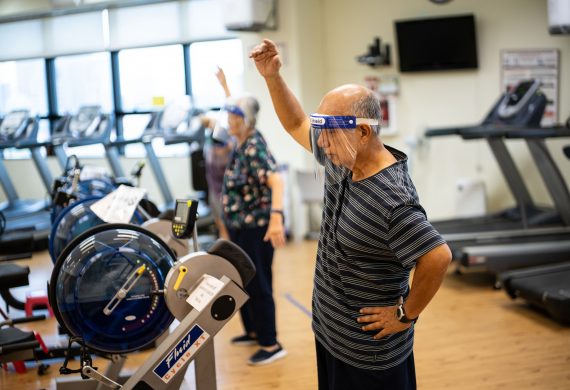
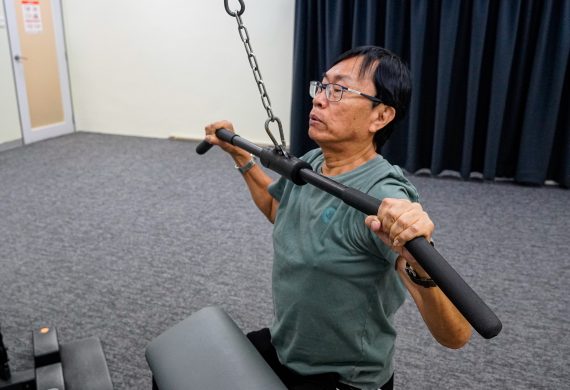
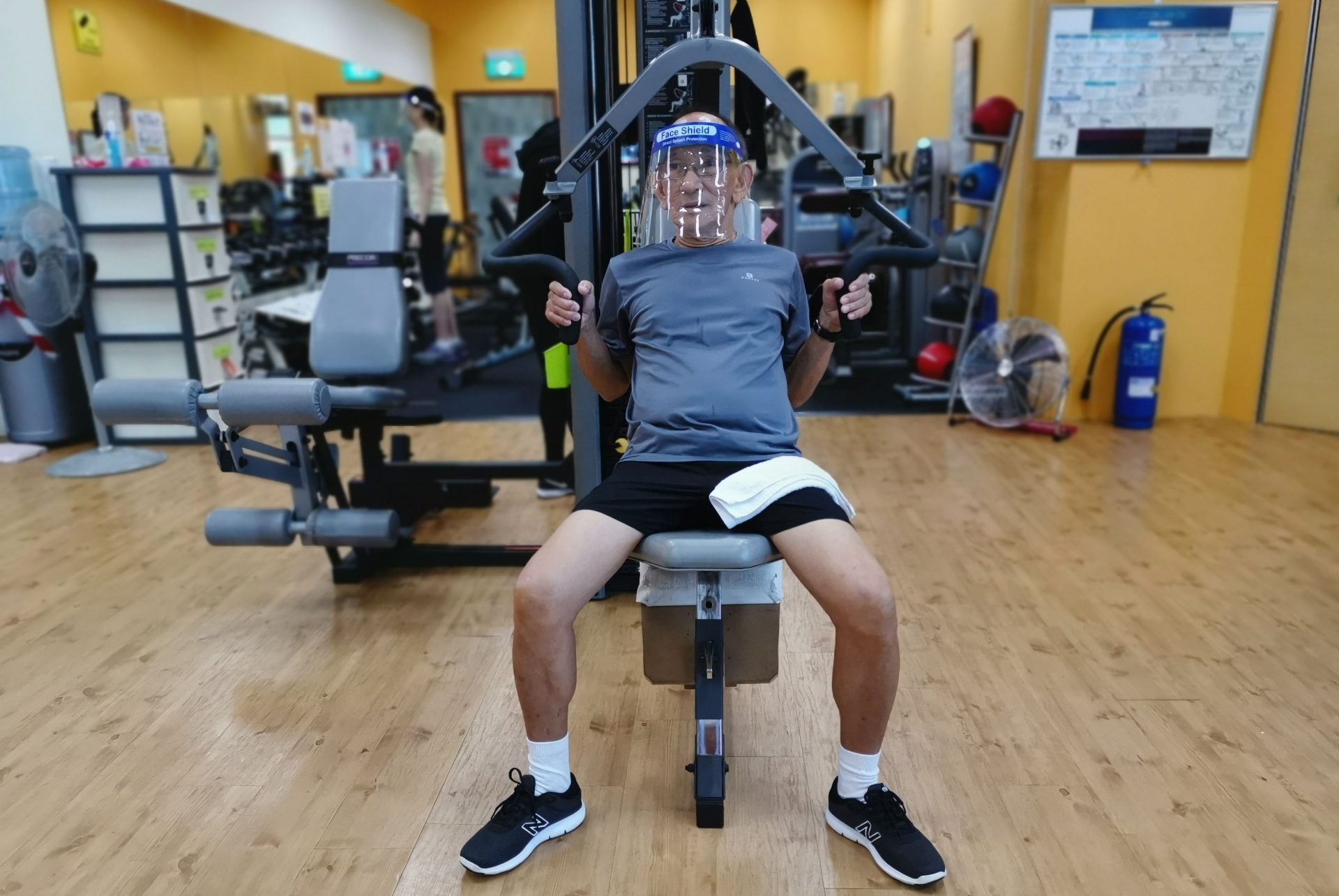
Cardiac rehabilitation involving multidisciplinary CVD management plans that combines exercise, education and behaviour modification have been shown to significantly improve patient outcomes. Empowering patients through education and awareness may help to overcome the various barriers to attendance participation in cardiac rehabilitation across the region.
– Mr Vernon Kang, Chief Executive Officer, Singapore Heart Foundation
Singapore Heart Foundation runs three Heart Wellness Centres in the community, providing heavily subsidised, structured Phase 3 and Phase 4 cardiac rehabilitation for recovering heart patients and at-risk individuals. Find out more about the Heart Wellness Programme.