|
Usage of Traditional Medicine After A Heart Attack

Traditional medicine refers to the usage of restorative materials from plants, animals or minerals in their natural states or in forms that have undergone simple processes, such as cutting or drying. Traditional medicine includes Traditional Chinese Medicine (TCM), traditional Indian medicine (Ayurvedic medicine), traditional Malay medicine (Jamu) and also herbal medicines from other countries. The principles of traditional medicine often differ from western medicine. For example, TCM is based on the general constitution of an individual, while western medicine is often directed at a specific problem. The effectiveness and principles of traditional medicine are beyond the scope of this article.
Taking traditional medicine is not without its risks. Some Chinese herbs have been reported to contain heavy metals and/or may be adulterated with western medicine. Also, traditional medicine may have drug interactions with western medicine; i.e. traditional medicines “clash” or “conflict” with western medications, thereby causing an increase or decrease in the intended effects of western medicine.
It is noteworthy that the issue of traditional medicine interacting or “clashing” with western medicine is complex and inconsistently reported through studies. Most traditional medicine available over-the-counter are not standardised as the purity and potency standards are only available for a small selection of herbs. This lack of standardisation may pose risks of toxicity, where patients are exposed to high levels of the herb. Additionally, the lack of standardisation also makes it difficult to verify possible herb-drug interactions.
Three examples of interactions or “clashes” with traditional medicine are illustrated below:
- High dose or long-term use of Licorice (Scientific name: Glycyrrhiza glaba; Chinese name: 甘草), a very popular herb in traditional Chinese medicine formulations, can lead to high blood pressure, water and sodium retention, and decreased potassium in the blood. Thus, it may be unsuitable for patients who are on medications for blood pressure, protection of the heart, and water retention (also known as diuretics), which are medications commonly prescribed after a heart attack.
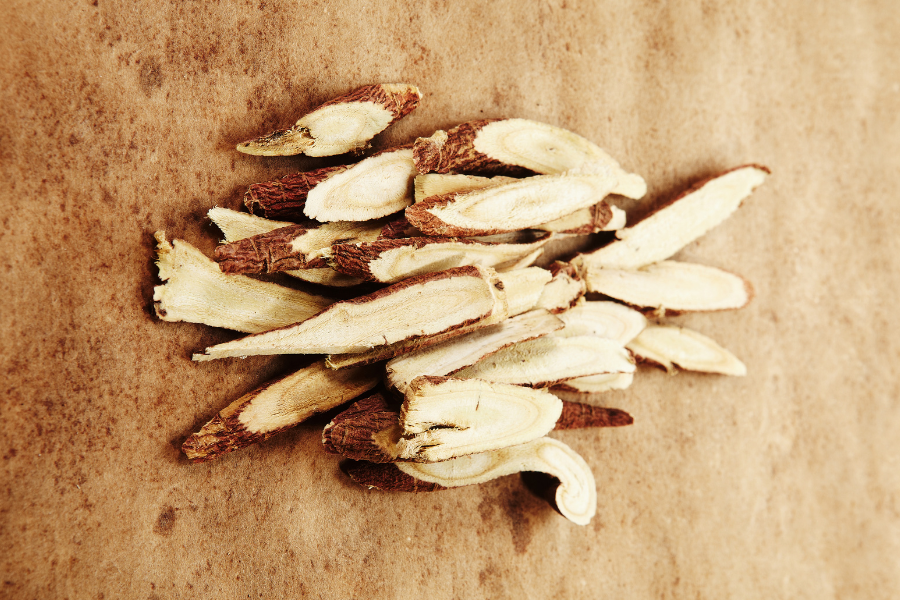
Licorice
- After a heart attack, anti-platelets such as Aspirin and/or Clopidogrel or Ticagrelor are commonly given to prevent blood clots and another heart attack. Anti-platelets, even when used without traditional medicines, can increase the risk of bleeding. As such, patients on anti-platelets should avoid certain herbs that may further increase the risk of bleeding. Some examples include:
- Ginkgo (Scientific name: Ginkgo biloba; Chinese names: 银杏叶 (leaves), 白果 (seeds))
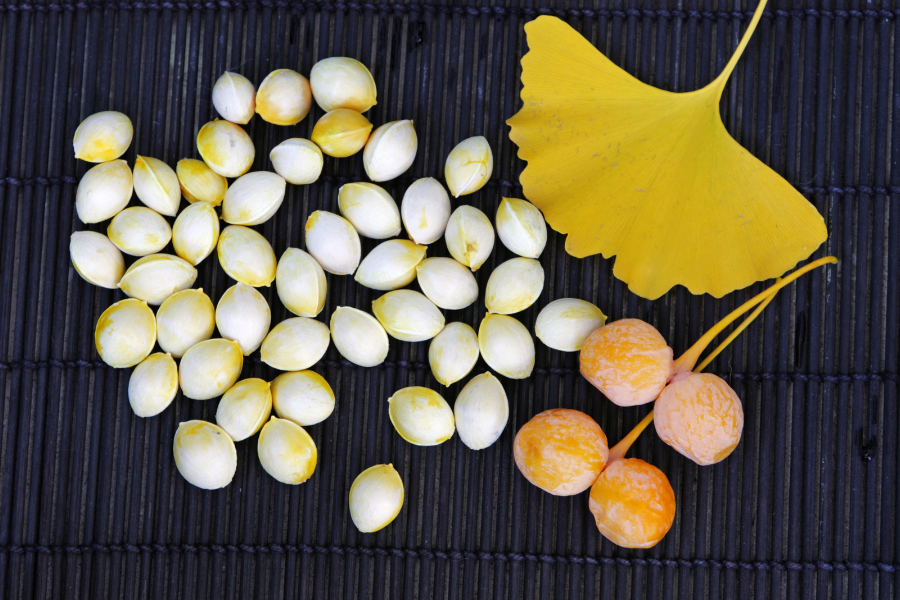
Ginkgo
- Asian Ginseng (Scientific name: Panax ginseng; Chinese name: 人参)
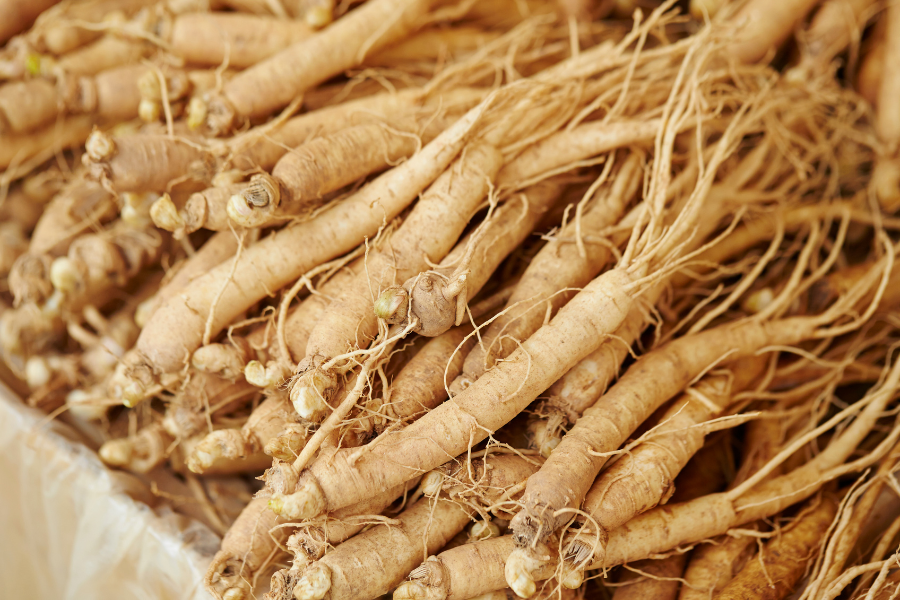
Asian Ginseng
- Danseng (Scientific name: Salvia miltiorrhiza; Chinese name: 丹参)
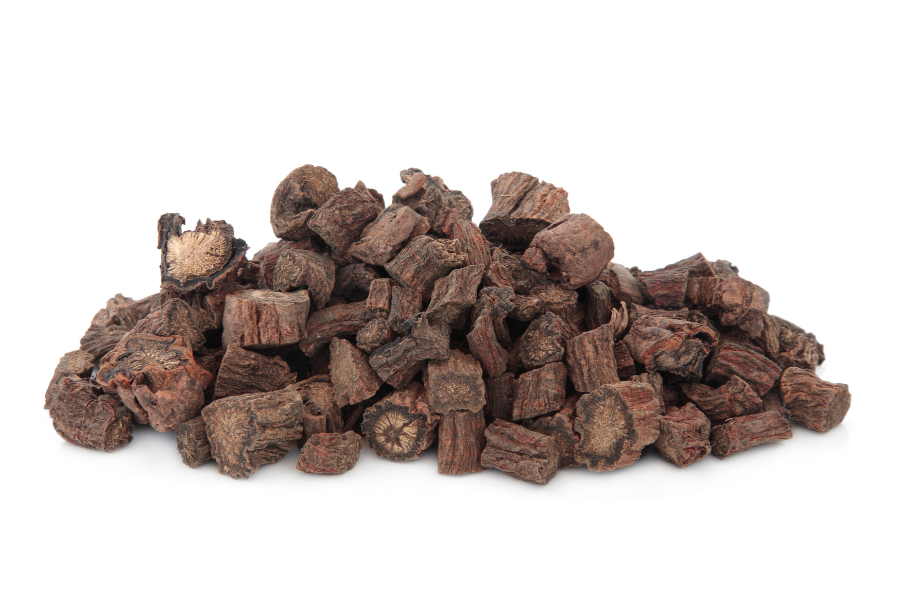
Danseng
- Safflower (Scientific name: Carthamus tinctorius; Chinese name: 红花)
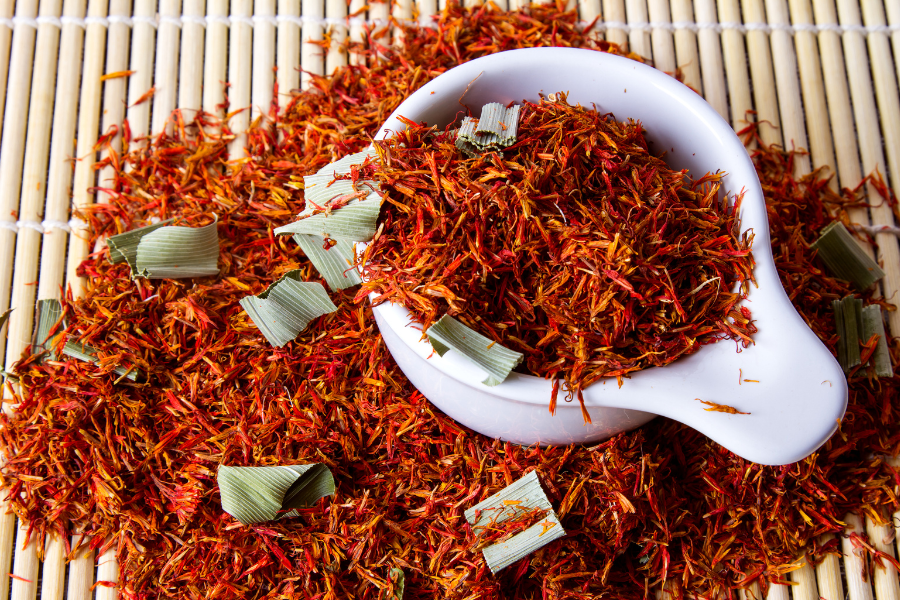
Safflower
- Ginkgo (Scientific name: Ginkgo biloba; Chinese names: 银杏叶 (leaves), 白果 (seeds))
- Warfarin is an anticoagulant (blood thinner) used to prevent blood clots from forming and is sometimes given to patients with irregular heart rhythms (atrial fibrillation). It is potentially dangerous when interactions occur with warfarin, as this could either enhance or diminish the effects of warfarin, causing patients to bleed or form blood clots more easily. Patients on warfarin should avoid traditional medicine due to its many known interactions. Some examples are listed below:
- Ginkgo (Scientific name: Ginkgo biloba; Chinese names: 银杏叶 (leaves), 白果 (seeds))
- Asian Ginseng (Scientific name: Panax ginseng; Chinese name: 人参)
- American Ginseng (Scientific name: Panax quinquefolius; Chinese name: 西洋参)
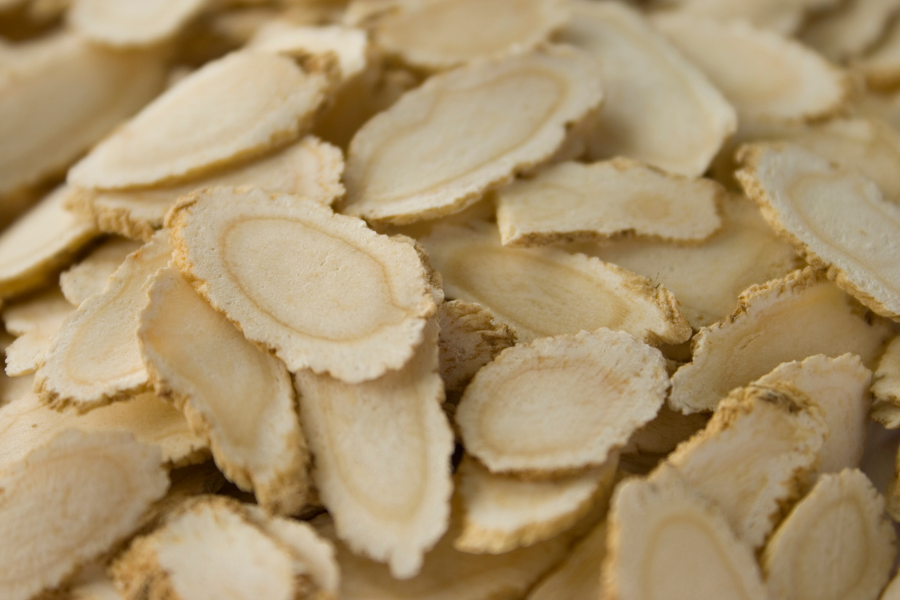
American Ginseng
- Danseng (Scientific name: Salvia miltiorrhiza; Chinese name: 丹参)
- Dong Quai (Scientific name: Angelica sinensis; Chinese name: 当归)
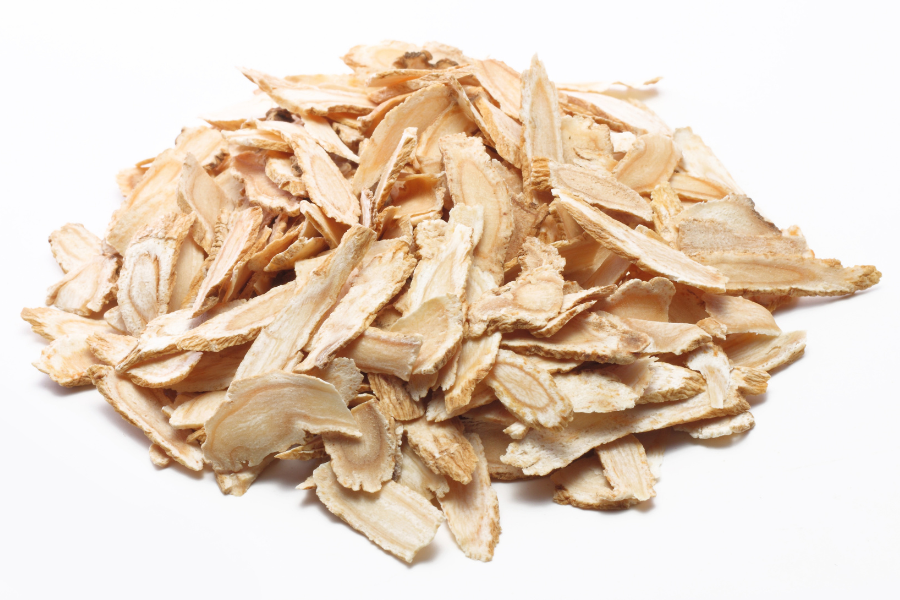
Dong Quai
- Garlic in large amount (Scientific name: Allium sativum; Chinese name: 蒜头)
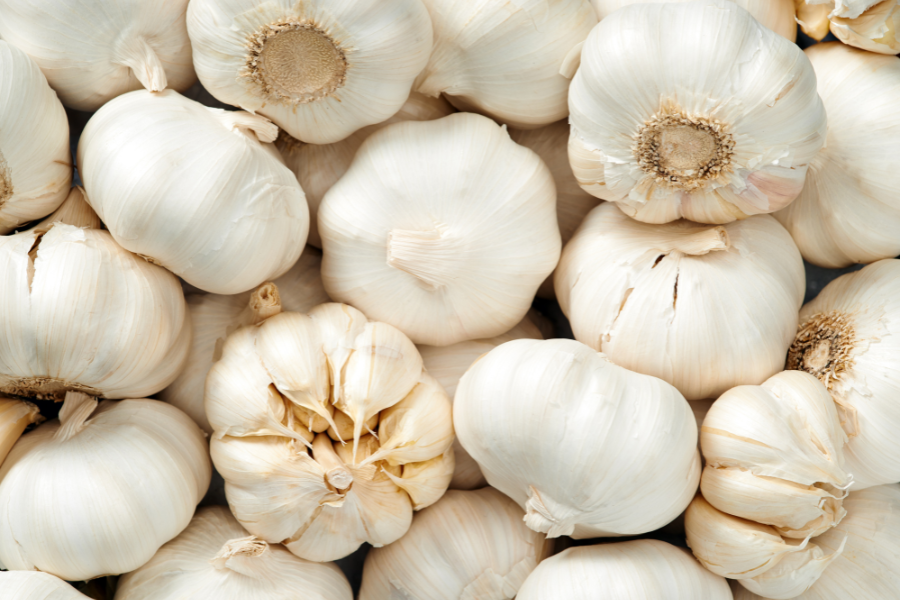
Garlic
- Safflower (Scientific name: Carthamus tinctorius; Chinese name: 红花)
- Licorice (Scientific name: Glycyrrhiza glabra; Chinese name: 甘草)
- Ginger in large amount (Scientific name: Zingiber officinale; Chinese names: 生姜, 干姜 )
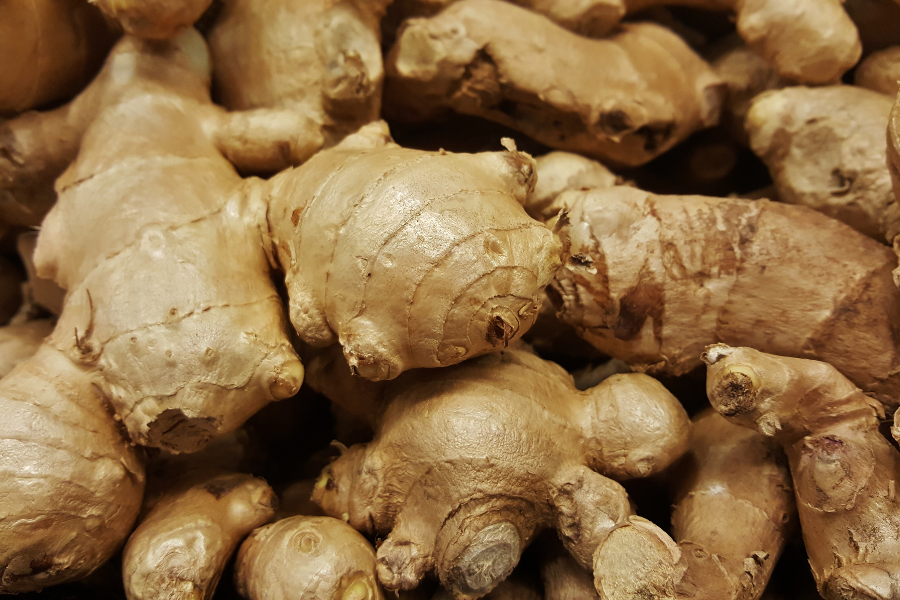
Ginger
- Goji (Scientific name: Lycium barbarum; Chinese name: 枸杞子)
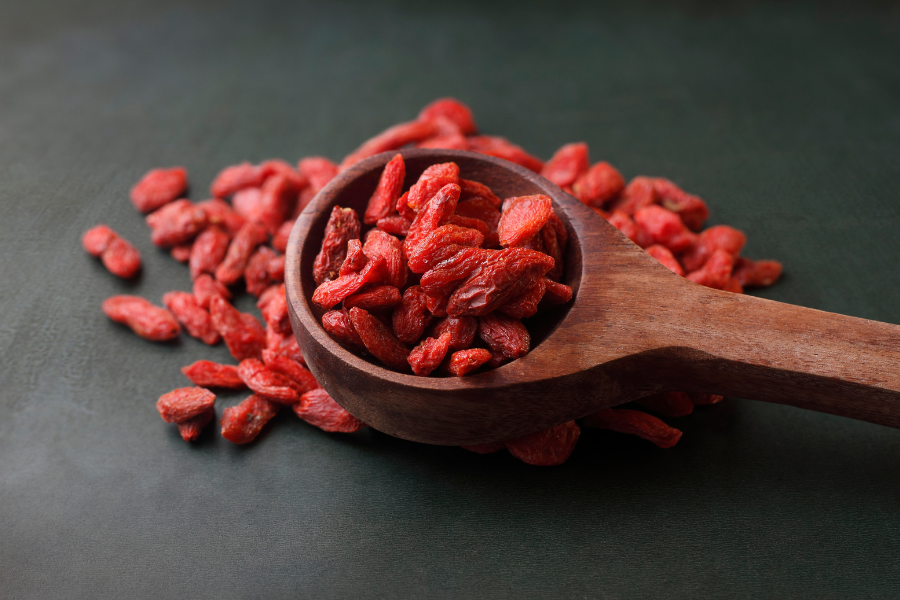
Goji
Patients who still wish to consume traditional medicine after a heart attack are advised to first seek advice from the doctors or pharmacists managing your recovery. Additionally, it is also advisable to consult a regulated or reputable traditional medicine provider, who may give his or her expert opinion on how best to complement the existing western medicine.
Western medications given after a heart attack confer short and long-term protective effects. For example, medicines such as lisinopril, losartan, and bisoprolol have immediate effects in reducing blood pressure and heart rate, and in the long run, also reduce the risk of cardiac-related death. Thus, it is advisable NOT to stop taking any western medicine without consulting your doctors or pharmacists involved who are managing your recovery post-heart attack.
Disclaimer: This article aims to provide some general information on traditional medicine use after a heart attack. It does not contain all the available information. It also does not take the place of talking to your doctor or pharmacist.
Article by Ms. Yap Hui Rei, Senior Clinical Pharmacist, National Healthcare Group Pharmacy.
Special thanks to Mr. Ang Seng Kok, Pharmacist, National Cancer Centre; Mr. Samuel Ho Shan Wei, Senior Pharmacist, Khoo Teck Puat Hospital; and Ms. Laurane Lim Hui Shien, Pharmacist, SingHealth Polyclinics for their kind review of the article.