|
Triglycerides and Cholesterol Explained
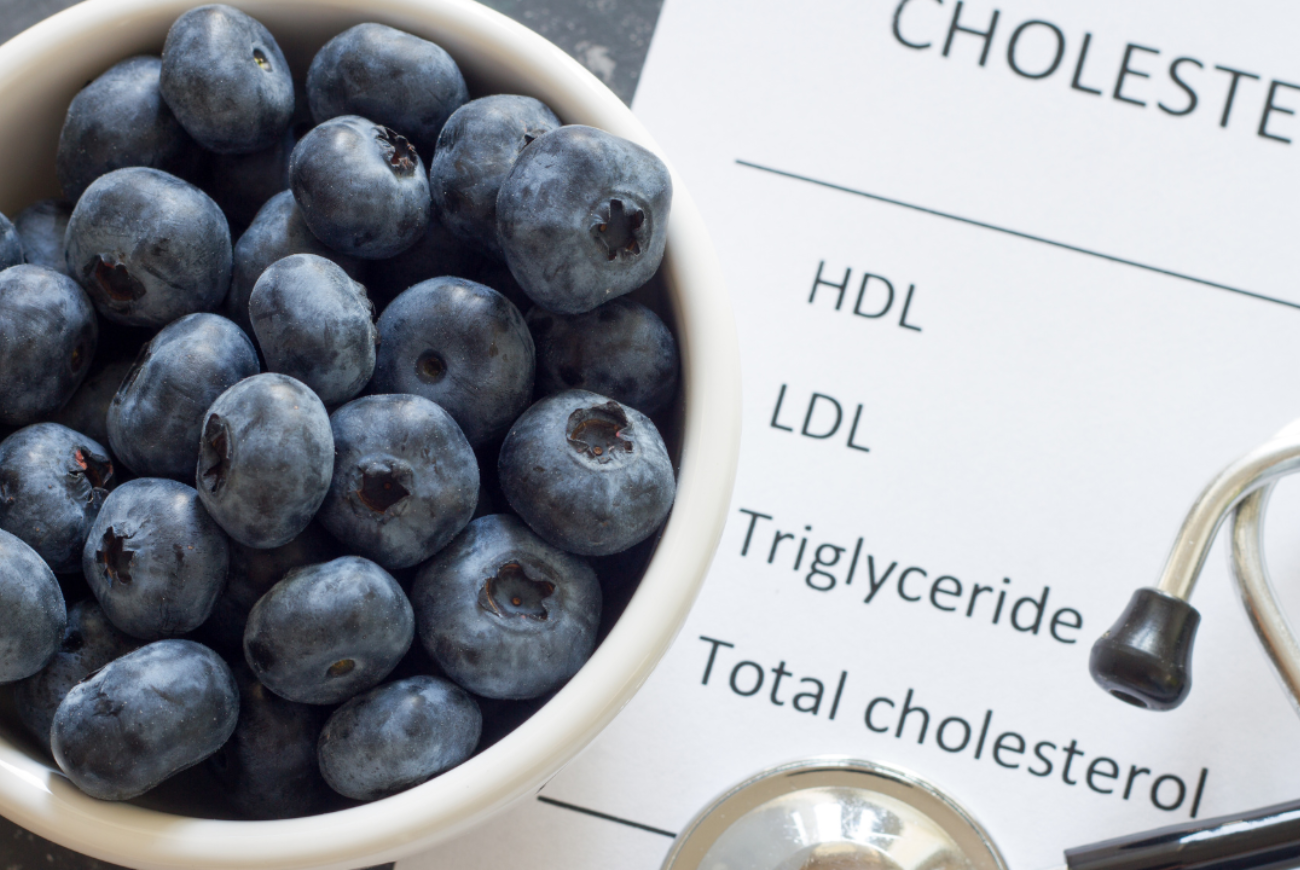
Cholesterol and Triglycerides are two substances that can tip your health, and it’s incredibly crucial to monitor both substances in order to keep your body in shape.
However, they are different when it comes to how each affects your body, and what sort of substance it is; surprisingly, only one of them stores fat!
Read on to find out more about these two substances and how to maintain their levels properly.
What is Cholesterol?
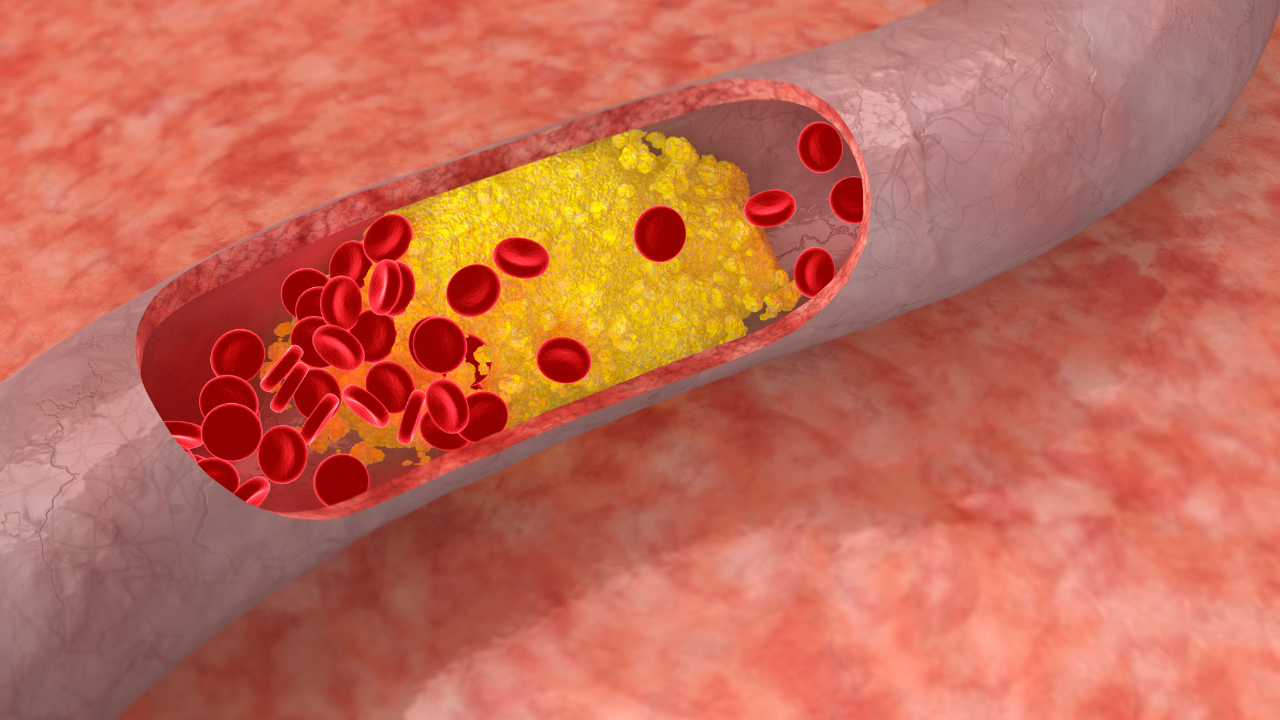
Cholesterol is defined as a substance found within our blood vessels; it is waxy and fatty, and is located within the cell walls of various organs in our body. Cholesterol is used to produce hormones for our body; it also makes bile acids, vitamin D and other substances. Cholesterol, in compounds called lipoproteins, circulates in the bloodstream.
- Low-Density Lipoprotein (LDL): Carries cholesterol to tissues via blood vessels and arteries. It is often classified as ‘harmful’ cholesterol because it could build up and cause clogs in the arteries.
- High-Density Lipoprotein (HDL): Removes LDL cholesterol, from the tissues to the liver. HDL is metabolised and removed from the body.
What are Triglycerides?
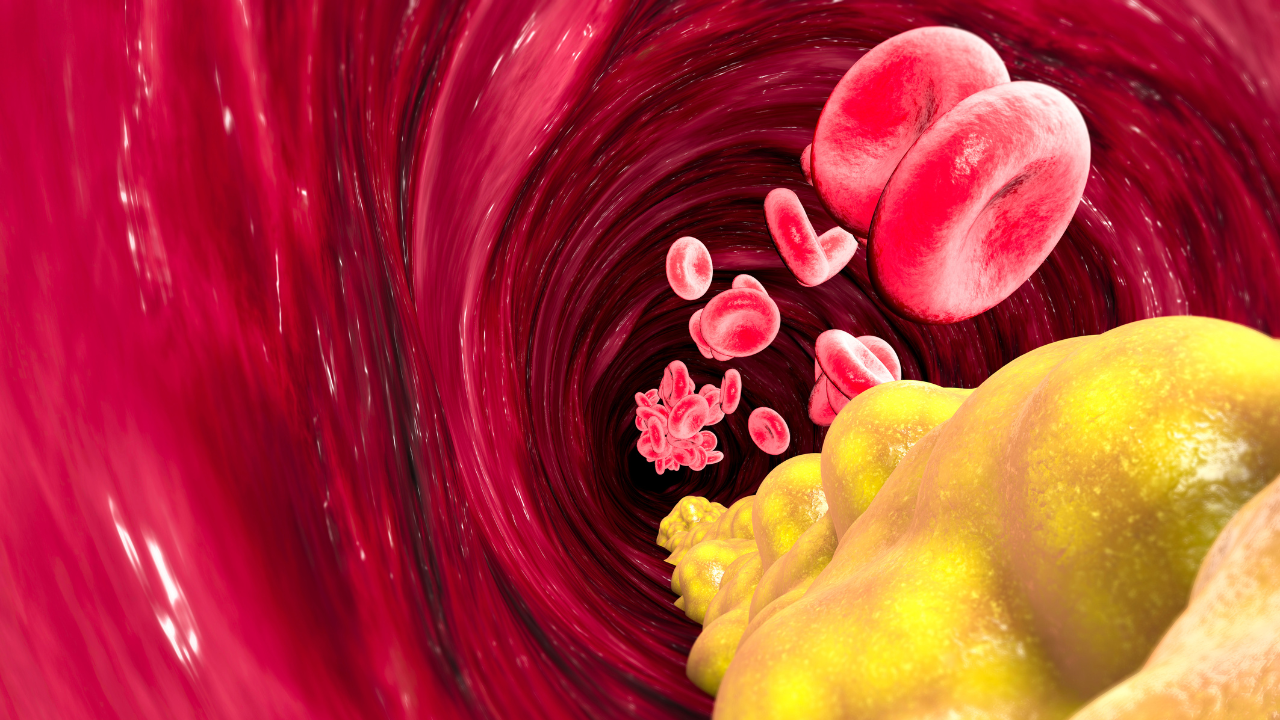
Triglycerides are a type of fat located in the blood. When the body wants to convert excess calories that are not stored in fat cells, triglycerides are formed.
However, maintaining a moderate amount of triglycerides is crucial to maintaining our energy levels as they are the body’s main energy source.
How Are They Similar?
As stated, both cholesterol and triglycerides, in moderate amounts, are good for your body. This means that maintaining them is important; our body should not create high amounts of cholesterol and triglycerides which lead to various health conditions.
Cholesterol and triglycerides could be measured and checked with a blood test called a lipid profile. These profiles are used to monitor various health conditions – heart disease, pancreatitis, diabetes, etc.
How Are They Different?
Cholesterol and triglycerides differ when it comes to functioning for the body. Triglycerides may be fats, but cholesterol is not classified as fat since it is a lipoprotein; hence they fall into different categories of substances.
Secondly, they have two benefits for the body – cholesterol creates bile to digest food and numerous other functions, while triglycerides are stored as fat within body tissues, and could be used to generate energy.
Level Ranges
Classification of Total, LDL and HDL Cholesterol and Triglyceride Levels
| Total Blood Cholesterol (mmol/L [mg/dL]) | |
| <5.2 (200) | Desirable |
| 5.2 – 6.1 (200 – 239) | Borderline high |
| ≥6.2 (240) | High |
| LDL Cholesterol (mmol/L [mg/dL]) | |
| <2.6 (100) | Optimal |
| 2.6 – 3.3 (100 – 129) | Desirable |
| 3.4 – 4.0 (130 – 159) | Borderline high |
| 4.1 – 4.8 (160 – 189) | High |
| ≥4.9 (190) | Very high |
| HDL Cholesterol (mmol/L [mg/dL]) | |
| <1.0 (40) | Low |
| 1.0 – 1.5 (40 – 59) | Desirable |
| ≥1.6 (60) | Optimal |
| Triglyceride (mmol/L [mg/dL]) | |
| <1.7 (150) | Optimal |
| 1.7 – 2.2 (150 – 199) | Desirable |
| 2.3 – 4.4 (200 – 399) | High |
| ≥4.5 (400) | Very high |
According to MOH 2016 Hyperlipidaemia Guidelines.
These values are written according to the levels for the average population. Do note that for heart patients with cardiovascular disease, the level range is smaller.
What Do Higher Levels Indicate?
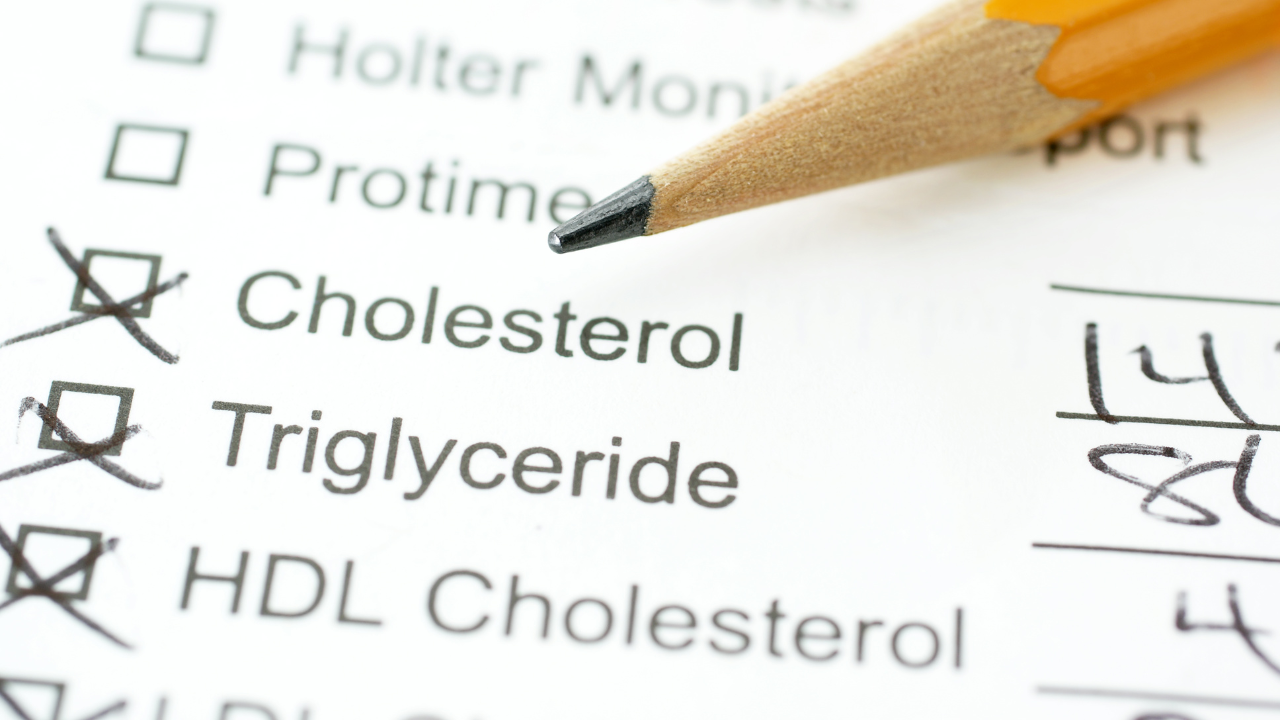
High Blood Cholesterol
Individuals who are at higher risk of developing high blood cholesterol or are at higher risk of heart disease should begin their cholesterol test early, or at the direction of their healthcare professional.
Having high blood cholesterol means having too many lipids in your body. The excess lipids that the body doesn’t use to convert to energy buildup in the arteries, and they combine with other substances to form fatty deposits in your arteries. These fatty deposits are also known as plaque.
High Triglycerides
High blood triglyceride levels are associated with the intake of excess calories, carbohydrates smoking, alcohol consumption and diabetes mellitus.
Even when you do not experience any symptoms, having high levels of triglycerides could lead to an increased risk of various health conditions such as pancreatitis and heart disease. High triglycerides could potentially lead to high blood cholesterol, increasing risks of cardiovascular disease.
How To Lower Your Levels?
Reduce Consumption of Bad Fats
Foods rich in saturated fat and trans fat – including fatty cuts of meat, coconut oil, coconut cream, palm oil, full-fat dairy products, baked products, and deep-fried food could raise LDL cholesterol levels, thereby increasing our risk for cardiovascular disease.
Replace them with foods higher in monounsaturated and polyunsaturated fats, such as extra virgin olive oil, sunflower, flaxseed, corn, olives or soybean, all of which have been shown to reduce LDL-C levels.
Fish — such as salmon, tuna, sardines, and Spanish mackerel herrings – could be an excellent source of protein; they contain unsaturated fats, such as Omega-3 fatty acids, which are beneficial for the body.
Focus on a low-fat diet. Take lean proteins such as fresh lean meat (e.g., chicken breast), and fish and add to your diet, more soluble fibre from fruit, vegetables, and whole-grains such as oatmeal.
Go with the Singapore Heart Foundation’s ‘Heart Smart Eating Plate’ to get a balanced diet, maximise nutrient intake; and practice portion control to prevent excessive weight gain and reap benefits for your heart.
Reduce Alcohol Intake
Alcohol is high in calories and sugar and has a potent effect on high blood triglycerides too. If you drink, do so in moderation. Have no more than one standard drink a day for women and two drinks a day for men.
A standard drink refers to:
- 2/3 can (220ml) of beer
- One glass (100ml) of wine
- One glass (30ml) of spirit
Exercise Regularly
Aim for 150–300 minutes of moderate-intensity aerobic physical activity each week. Incorporate muscle and bone strengthening activities (e.g., weight training, pilates, body weight callisthenics) at least 2 times per week.
Regular physical activity may increase HDL modestly and contribute to the reduction of LDL cholesterol and triglycerides.
It is advised for people with abnormally high blood cholesterol levels to engage in regular moderate-intensity exercise for more than 30 min/per day, even if they are not overweight.
This is for the enhancement of their overall health and to improve the control of dietary cholesterol and other concurrent cardiovascular risk factors such as high blood pressure and diabetes mellitus.
Conclusion
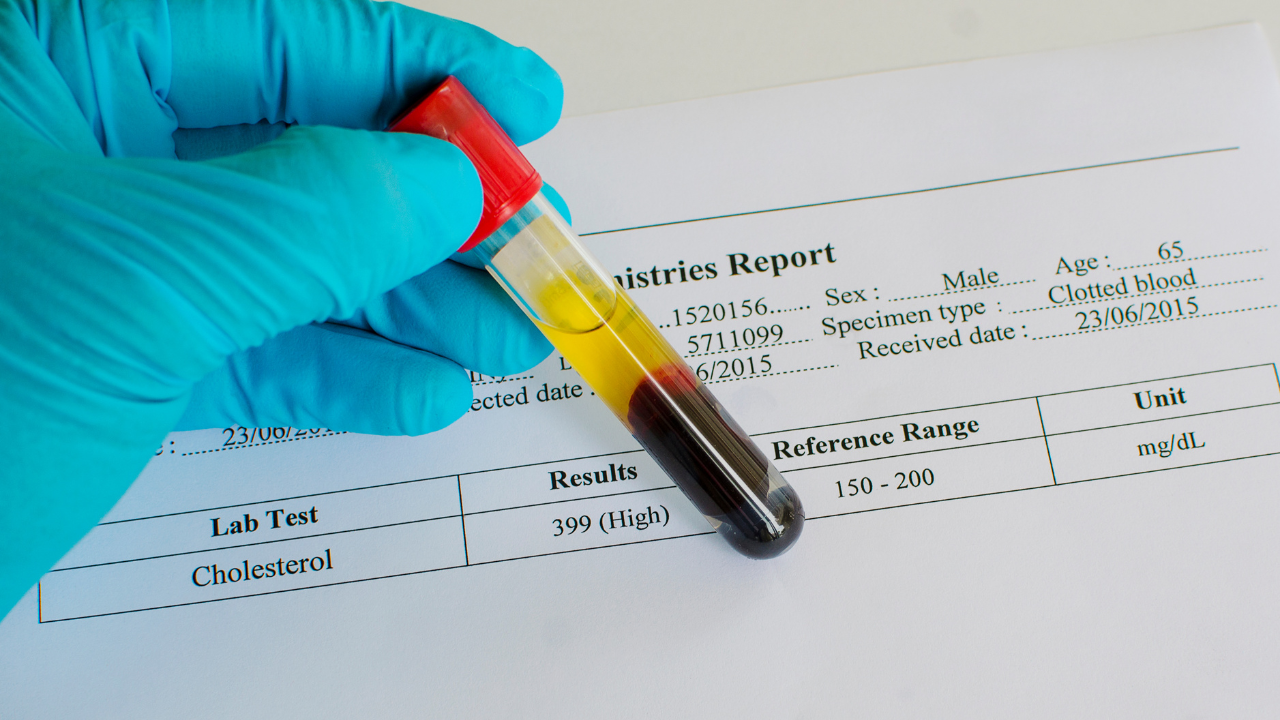
All in all, it is crucial to maintain a healthy level of cholesterol and triglyceride levels to keep your body safe and risk-free from various diseases. Hence, it is important not to engage in unhealthy behaviours, to reduce the chance of plaque building up in our blood vessels and increasing our risk of contracting heart disease.
Reference
Blood Cholesterol Test. (n.d.). Singapore Heart Foundation. https://www.myheart.org.sg/heart-news/blood-cholesterol-test/