|
Understanding Screening Tests in Pregnancy

There are 2 patients during pregnancy – the foetus and the mother. The foetus is mostly normal from 10 weeks but a minority may be affected by chromosomal diseases, structural abnormalities, genetic syndromes and infections. The mother, on the other hand, is placed through increased cardiovascular and hormonal stresses, which may uncover risks that may present later on in life as one grows older or puts on more weight. The foetus who is exposed to the cardiovascular and/or metabolic changes of pre-eclampsia or gestational diabetes whilst in the mother’s womb may also undergo foetal programming, leading to higher risks of diseases when he/she grows older.
Prenatal screening tests
Routine prenatal screening tests are performed to detect foetal diseases and/or maternal diseases.
Screening for foetal diseases
Common chromosomal abnormalities
For example, Trisomy 21 (Down syndrome), Trisomy 18 (Edward syndrome) and Trisomy 13 (Patau syndrome) – Discovered through a test that looks for cell-free foetal DNA in the mother’s blood that would have a very high detection rate for Trisomies 21, 18 and 13.
If the test shows high risk for any one of these Trisomies, an invasive test such as amniocentesis can be performed to confirm the diagnosis.
Structural abnormalities
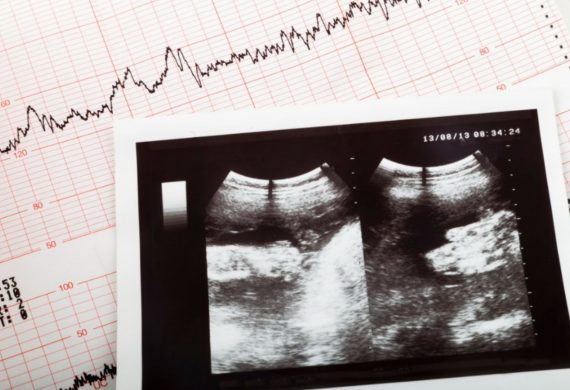
For example, brain and heart abnormalities – Detailed ultrasound scans can be performed at 12 and 20 weeks of pregnancy.
If such abnormalities are detected, other associated conditions such as chromosomal abnormalities, genetic syndromes and foetal infections may be found through further tests.
Genetic syndromes
The commonest genetic syndrome among Singaporeans is thalassaemia (producing no or too little haemoglobin, which is used by red blood cells to carry oxygen around the body1), which is present in 4% of the population. This can be screened easily by a simple blood test.
Foetal infection
If the mother is infected with syphilis, HIV or cytomegalovirus (CMV), medications may be given to the mother to reduce transmission of the microbe across the placenta to infect the foetus.
Foetal growth restriction
A detailed scan with blood test at 12 weeks allows the foetus to be screened for foetal growth restriction during the third trimester.
If screened to be high risk, aspirin and calcium supplements to the mother may reduce the risk of foetal growth restriction.
Screening for maternal diseases
Anaemia or iron deficiency
Blood tests allow detection of anaemia and/or iron deficiency.
Anaemia increases the risk of needing blood transfusion during the pregnancy, while iron deficiency may cause tiredness, mood swings, postnatal blues and postpartum depression. Iron deficiency may be treated with oral iron supplements. If the iron storage does not improve with oral supplements after 2-4 weeks, intravenous iron infusion may be useful.
Urinary tract infection
A urine culture allows detection of urinary tract infection even when there is no symptoms. If untreated, it may increase the risk of miscarriage, preterm labour and kidney infection.
Pre-eclampsia
This is a pregnancy-induced condition characterised by high blood pressure and proteins in the urine after 28 weeks. It is a progressive condition where multiple organs including the brain, liver and kidneys may be affected if the pregnancy is allowed to continue further.
A detailed scan and blood test at 12 weeks may allow the detection of those at high risk for pre-eclampsia. Aspirin and calcium supplements prescribed for the mother may reduce the risk of pre-eclampsia. Furthermore, the mother may be monitored closely for high blood
pressure and proteins in the urine. If pre-eclampsia sets in, delivery may have to be planned prematurely to save the mother and the foetus.
Post-delivery, the mother who had pre-eclampsia before is at higher risk of developing high blood pressure, heart attacks and strokes later on in life. The offspring of a mother who had pre-eclampsia during that pregnancy is also at higher risk of developing high blood pressure, higher body mass index, congenital heart defects and autism spectrum disorders.
Gestational diabetes mellitus (GDM)
This is a pregnancy-induced condition where the mother’s glucose levels are inappropriately higher when taking a standard load of glucose drink at 28 weeks.
The risk of GDM may be reduced by having a normal body mass index of 18.5 to 22.9kg/m2 before pregnancy through dietary control and regular physical activity and by reducing excessive weight gain during pregnancy.
When the mother’s blood glucose is high, it leads to higher blood glucose levels in the foetus. This then leads to increase in abdominal circumference and body weight of the foetus. Bigger babies have higher risks of requiring Caesarean section for deliveries and encountering difficulties in the delivery of the shoulders, which may lead to nerve injuries, causing transient or permanent paralysis of the upper limb. Therefore the mother has to closely monitor her blood glucose, reduce excessive caloric intake and do regular physical activity. If the blood sugar is not well-controlled, medications such as metformin and insulin injections may be necessary to control the sugar levels.
When sugar levels are controlled, the risks of Caesarean section and shoulder dystocia are reduced.
After delivery, diabetes mellitus often resolves in the mother. However, there is a higher chance that the mother with a history of GDM would then develop diabetes mellitus later on in life, especially if she increases her weight, increases her dietary intake of carbohydrates or reduces her physical activity. On the other hand, the offspring that is exposed to high sugar levels whilst in the mother’s womb is at higher risk of developing obesity and diabetes mellitus when he/she grows up.
Timeline
To ensure optimum health for the mother and foetus, it is a must to go for antenatal appointments. At every check-up, the mother will also have to undergo the following tests2, 3, 4:
- Blood Pressure
Ensures normal blood pressure for early detection of gestational hypertension and pre-eclampsia. - Urine Test
Checks for the presence of protein, which may suggest pre-eclampsia, kidney problem or urinary tract infection or sugar, which may suggest gestational diabetes. - Weight
Gauges adequacy of maternal nutrition.
| First Trimester | Second Trimester | Third Trimester |
| Ultrasound Determines viable pregnancy, gestational age, abnormal gestation. Blood test Screening* |
Ultrasound Determines structural abnormalities, amniotic fluid levels and well-being. Glucose Screening Screening* |
Ultrasound Monitors the growth of the foetus and flow in blood vessels to the foetus. Strep B Test |
*Optional screenings
Conclusion
It is important for a mother to adopt a healthy diet and stay active during pregnancy to prevent any pregnancy complications.
Article is contributed by Dr Tony Tan, Consultant Obstetrician and Gynaecologist and Nursing Officer Lai Siew Theng, Clinic Manager at Tony Tan Women and Fetal Clinic & PLL Anaesthesia Clinic at Mount Alvernia Hospital.
References
- (2022, October 17). Thalassaemia. NHS. Retrieved February 22, 2023, from https://www.nhs.uk/conditions/thalassaemia/#:~:text=Thalassaemia%20is%20the%20name%20for,short%20of%20breath%20and%20pale).
- (2019, July 24). Prenatal and Newborn Screening Brochure. Baby’s First Test. Retrieved February 22, 2023, from https://babysfirsttest.org/newborn-screening/resources/prenatal-and-newborn-screening-brochure
- Quek , S. C. (2019, April 11). A Guide to Prenatal Tests and Scans. Health Plus. Retrieved February 22, 2023, from https://www.gleneagles.com.sg/healthplus/article/prenatal-test-pregnancy-trimester
- (2022, November 15). Tests for me and my baby. Health Hub. Retrieved February 22, 2023, from https://www.healthhub.sg/live-healthy/1110/pregnancy-tests-for-me-and-my-baby