|
When Hormones Hike Up Your Blood Pressure
Hormones are chemical substances that help keep our bodies working effectively. Our body has over 50 different types of hormones that control everything, from how our bodies grow to how our bodies function daily. These include growth hormones, reproductive hormones, insulin (to control glucose levels), thyroid hormones (to control metabolism), and many more. When too little or too much of a specific hormone is produced, this may cause problems in our body. For example, when there is too little or too much thyroid hormones, people may experience cold or hot intolerance, changes in weight, and irregular menstruation cycles for women. Abnormal thyroid hormones could also lead to high blood pressure, or hypertension.
Primary Aldosteronism: The Common Cause of Adrenal Hypertension
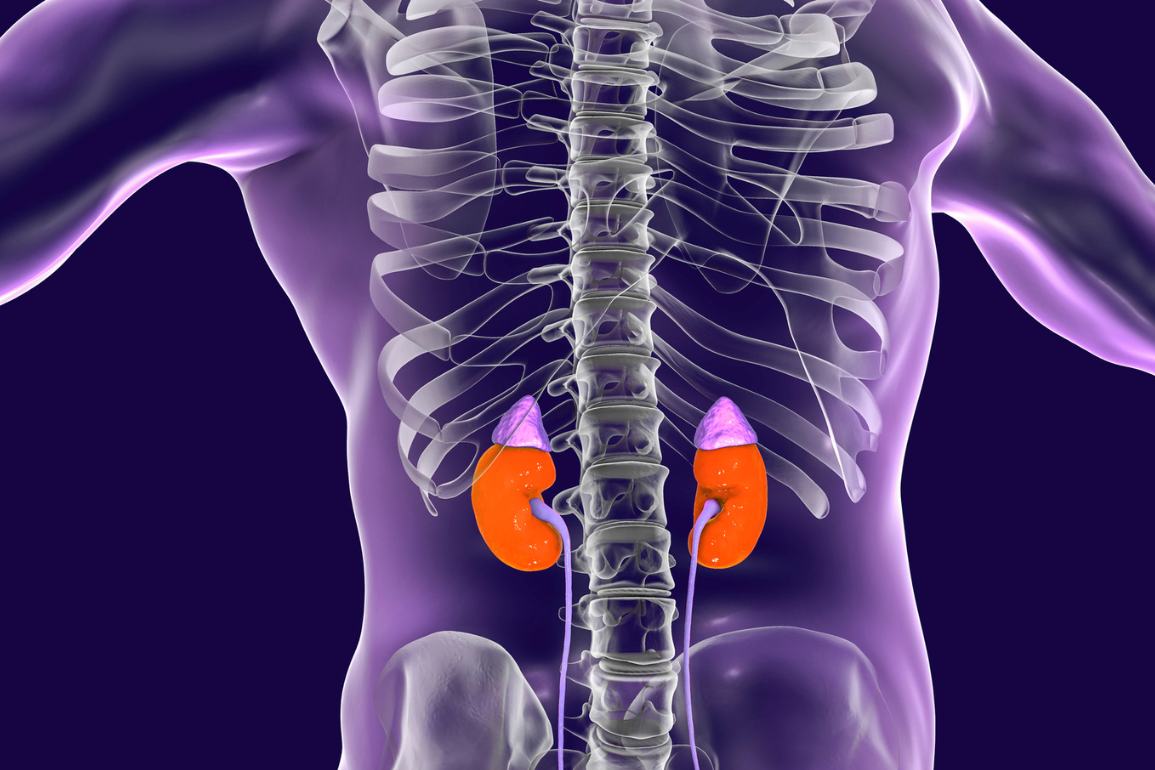
The adrenal glands are small glands located above the kidneys; they produce some of the most hormones for regulating blood pressure. Adrenal hormones include the salt hormone known as aldosterone and the stress hormones adrenaline and cortisol. When a person’s blood pressure is low, some of these hormones help regulate the blood pressure levels and can be lifesaving. However, when adrenal hormones are overproduced, this can lead to hypertension and other medical conditions.
The most common reason for adrenal hypertension is an excess of the aldosterone hormone. This occurrence is called primary aldosteronism. Primary aldosteronism occurs in 5-20% of all people with hypertension and is treatable. When there is an overproduction of aldosterone, the body retains more salt, which drives up blood pressure, and this is worsened when people consume too much salt. 90% of the Singapore population consumes more salt than the amount recommended by the World Health Organization. Besides driving up blood pressure, high aldosterone levels also directly increase the risk of heart attacks, strokes and kidney problems.
How Do I Know if I Have Primary Aldosteronism?
Despite its risks, primary aldosteronism is often under-screened and under-diagnosed. Hence, early diagnosis and intervention are vital. Treatment through medication and surgery could improve and cure hypertension.
Patients with primary aldosteronism often have low potassium levels, a condition known as hypokalemia. Potassium plays an important role in relaxing the body’s blood vessels, which helps lower one’s blood pressure. Low potassium levels could thus lead to an increase in blood pressure. Low potassium levels could also cause muscle weakness and irregular heart rhythms. Furthermore, patients with primary aldosteronism are also more likely to have very severe hypertension (BP ≥ 160/100 mmHg) or difficult-to-control hypertension (BP ≥140/90mmHg despite taking three or more blood pressure medications). These two symptoms should be a clear indication to the doctor that they should consider testing the individual for primary aldosteronism.
Other Causes of Adrenal Hypertension
The adrenal glands may also overproduce other hormones, leading to hypertension. Adrenaline is the acute stress hormone produced in a state of emergency; this is known as a human’s flight-or-fight response. People with excess adrenaline hormone levels may experience bouts of headaches, sweating or flushing, and palpitations (strong sensations of heartbeat or an irregular heartbeat).
Excess cortisol, another stress hormone, could lead to hypertension and numerous medical conditions, including diabetes, excessive weight gain, osteoporosis, infections, and bleeding disorders. Instances of the adrenal glands over-producing either adrenaline or cortisol are relatively uncommon, affecting only about one in 100,000 individuals.
However, the most common cause of excess cortisol, known as Cushing’s syndrome, is not from the adrenal glands but from the consumption of medications containing steroids. Steroid preparations include prednisolone, dexamethasone, hydrocortisone. They can also be found in traditional Chinese medicines (TCM) or traditional Malay medicines (Jamu). If unsure, one should clarify with their doctor about the medications they have been prescribed.
At the Changi General Hospital (CGH) Adrenal Hypertension Centre, a multi-disciplinary care team provides timely diagnosis and treatment for patients with endocrine hypertension and adrenal conditions.
Article is contributed by Clin Asst Prof Troy Puar, Head and Senior Consultant, Department of Endocrinology, at the Changi General Hospital.