|
Your Heart Still Matters in the COVID-19 Season
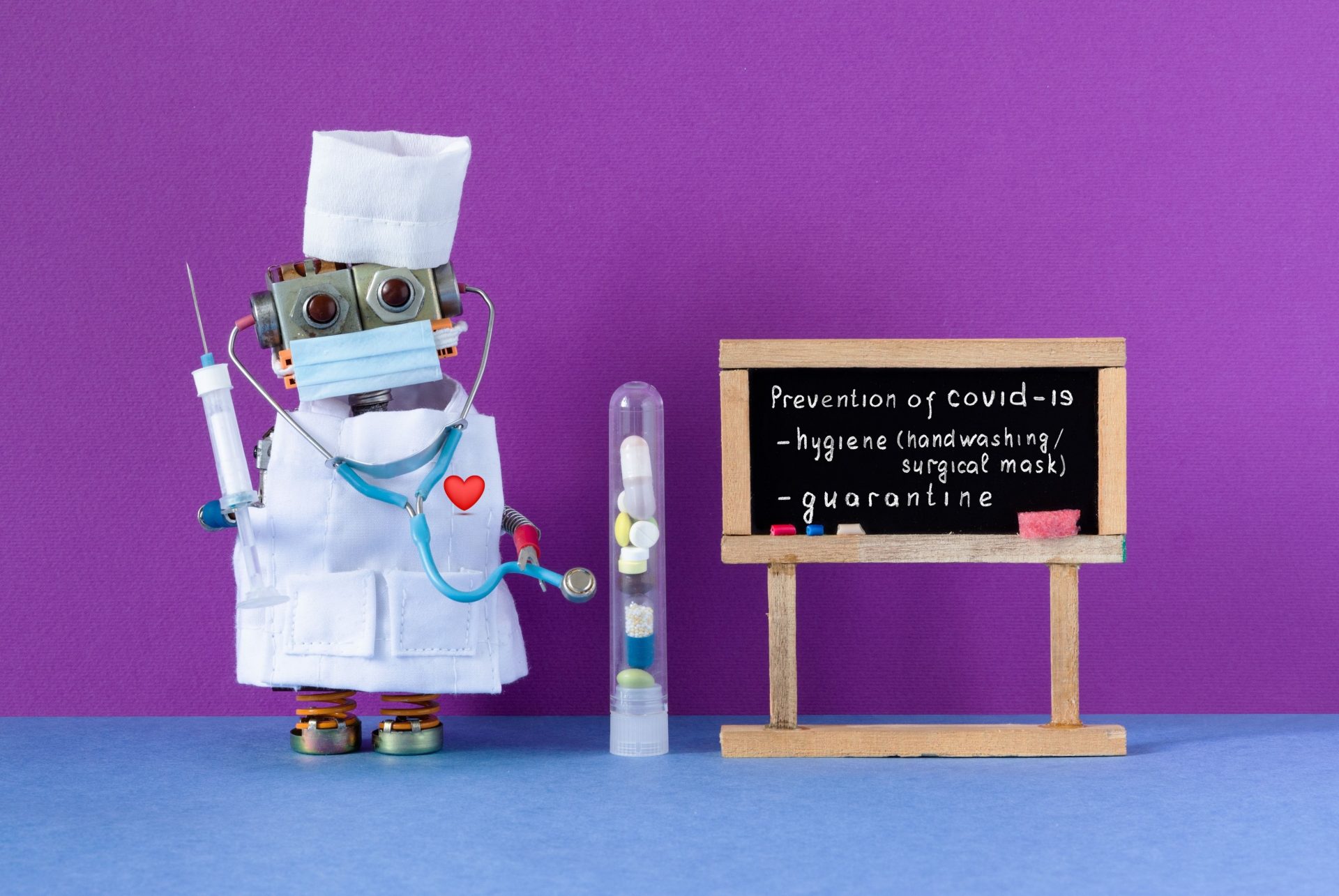
The world is filled with a myriad of threats, from terrorism, natural disasters, global warming and climate change, just to name a few. Of these, a severe infectious disease that affects globally may be one of the scenarios. Indeed, various strains of influenza have caused severe infections in several countries in the past and occurring every few years.
In February 1957, a novel influenza A (H2N2) virus was first reported in Singapore and rapidly spread to the rest of the world. Eventually, approximately 1.1 million people died from this disease. Regular vaccination programmes have mitigated the impact of these conditions. As affluence gives rise to rapid human traffic, infections can spread fast worldwide. When this happens, the situation can be confusing and frightening; this will require a significant amount of resources to deal with it.
At the time of writing, the novel coronavirus that causes the COVID-19 disease has gripped the world like an unexpected tsunami. COVID-19 is the official name given by the World Health Organization (WHO). It stands for COrona VIrus Disease – 2019, the year the infection first surfaced.
Amid the widespread attention that COVID-19 has attracted since it was first reported in late December 2019, other medical conditions may be inadvertently put aside. Besides all the commotions and responses to contain the spread of this highly infectious virus, it is important to remember that your heart still matters.
DISCLAIMER
The information here serves as a guide and is not intended to replace professional medical care or attention provided by a qualified medical practitioner. It cannot and should not be used as a basis for diagnosis or choice of treatment for an individual. The mention of a product, service or treatment should not be considered as endorsement by the author or the Singapore Heart Foundation. Readers are advised to consult their respective doctors and healthcare professionals regarding the specific management of their medical conditions.
What is COVID-19 infection?
COVID-19 is an infection or disease caused by a new strain of coronaviruses known as SARS-CoV-2. This group of coronaviruses can cause mild respiratory infections like common cold or more severe respiratory infections, such as pneumonia. It also affects several parts of the body.
One of the reasons for these manifestations is the tendency for COVID-19 patients to form clots in blood vessels. The infection was first discovered at the end of 2019 in Wuhan, the capital city of Hubei province in central China. Initially, the infection was thought not to be severe and confined to certain geographical regions. However, the rapidity of the spread and the large number of severe patients affected raised alarm. On 12 March 2020, WHO declared the COVID-19 outbreak a pandemic.
How does one catch the virus?
This virus is commonly spread by inhaling small droplets from individuals who are suffering from COVID-19. These droplets may be from a patient’s cough or sneeze. The infection may also be contracted by an individual touching contaminated droplets left on surfaces by COVID-19 patients, and subsequently “transferring” them by placing his/her fingers on his/her face, nose or mouth. Under certain circumstances, a group of scientists and clinicians think that the mode of spread for this disease may be air-borne.
What are the symptoms of COVID-19 infection?
The outcome of a patient depends on the amount of virus entering the body, otherwise known as viral load, the strength of the patient’s immunity, pre-existing medical conditions, genetic make-up and various other factors.
Several studies show that a significant proportion of individuals who have contracted COVID-19, possibly greater than 50%, do not exhibit any symptoms. These are termed as asymptomatic cases. Even though they do not have any manifestations of COVID-19, these individuals may still be able to spread the disease. But younger persons are more likely to have a mild form of the disease. At the moment, we do not yet know why certain persons do not suffer any symptoms.
The common symptoms include
- A combination of fever, cough (usually dry or productive of a small amount of sputum)
- Difficulty in breathing
- Loss of smell or taste
- Muscle ache
- Sore eyes
- Generalised tiredness
- Chest pain
- Diarrhoea
- Nausea
- Vomiting
- Gastrointestinal symptom
Increasingly, neurological symptoms, such as headache, dizziness, confusion, weakness on one side of body, difficulty with speech and seizure, are being recognised as part of the presentation of COVID-19 patients.
As you can see, these symptoms are fairly similar to patients with influenza or just an upper respiratory tract infection. They are also rather varied in the presentation. Therefore, it is always a challenge to make a clinical diagnosis.
To determine the virus that causes the symptoms, certain specific tests need to be performed. Currently, these investigations can only be performed in hospitals and certain clinics. When more simplified and accurate tests are developed, more objective assessments can be made more readily available. Nonetheless, even with the current sophisticated laboratory techniques, the results may not be consistently positive for a person with COVID-19. This is a tricky situation healthcare professionals face. In the end, like any other disease, it all funnels down to making a good clinical decision.
How do I protect myself from COVID-19?
Realising how the infection spreads, the key strategy to protect yourself from succumbing to this infection is to avoid contact with a sick person, especially those with fever and cough. Since individuals with COVID-19 may not have symptoms, the concept of “social distancing” or “safe distancing” becomes one of the key pillars of prevention. Based on the droplet-spread hypothesis, the suggested distance to keep apart is one to two metres. Avoid crowded places and stop using public transport during peak hours, and shop groceries during off-peak periods.
Another important approach is to keep our hands clean. Avoid touching your face, eyes and nose. Where possible, wash with soap and water thoroughly, especially:
- Before and after eating
- After using the rest room
- After blowing the nose, coughing or sneezing
- After touching surfaces on public places or other persons
There are several videos on the internet that demonstrate the proper hand washing technique. If water and sink are not available, hand rubs or sanitisers may be used. Alcohol-based (at least 60% in concentration) products are preferred because it is able to destroy the virus. Apply the amount of solution as recommended on the label on the palm of one hand. Then thoroughly rub it on all the surfaces of both hands, as with soap and water washing technique, including between your fingers and under the nails. Continue to rub until the hands are dry.
Masks or some form of coverage of the nose and mouth may also help to prevent or reduce the risk of infection. It is also to protect others from the particles expelled by you to the environment. Nevertheless, an equipment is as good as how it is used. There are instructions online to teach you how to wear a mask properly. While it is important to wear a face mask correctly, it is equally important to remove it in a proper manner. So please watch the YouTube video on how to wear and remove your mask correctly.
There are several types of masks. A surgical or a cloth mask is commonly used. The surgical mask has a water repellent outer surface. This barrier prevents droplets from soaking onto the mask. In addition, surgical masks have 3 or 4 layers and are more efficient in filtering off bacteria than cloth masks. As such, you have a chronic condition, it may be better to use a surgical mask.
The N95 mask is better in preventing inhalation of finer particles. It blocks at least 95% of very small particles (0.3 micron) test particles. These masks are usually reserved for healthcare professionals who have been properly fit tested. As such, please consult your doctor, especially when you have chronic conditions such as heart disease, diabetes mellitus, hypertension and lung disease before wearing a N95 mask.
A note of caution: since covering the mouth and nose may compromise breathing, those with heart or lung conditions may find it challenging to wear a mask. You may want to discuss with your doctor regarding the type of physical barrier that is suitable for your medical condition.
Until an effective vaccine can be safely administered to a population, these three physical mitigating techniques remain as the best strategy to prevent COVID-19 infection: social distancing, good personal hygiene and wearing of mask.
I am not feeling well, what should I do?
If you are sick and have symptoms of respiratory tract infection, such as fever, cough and shortness of breath, please consult your doctor as soon as possible. Alternatively, you may go to a Public Health Preparedness Clinic (PHPC) that is equipped to handle pandemics such as this.
Should you have trouble breathing, develop chest pain, turn blue or become confused, immediately call 995 for emergency health services. If possible, put on a face mask or cover your face prior to the arrival of the paramedics.
Is there any treatment for COVID-19?
If you are infected with SARS-CoV-2 virus, you should seek medical attention as soon as possible. Proper assessment will be conducted and you will be managed appropriately. General and symptomatic treatments such as paracetamol, cough mixtures, anti-diarrhoea or anti-vomiting medicines are generally administered to treat fever, headache or muscle ache, and their relevant symptoms. Supplementary oxygen may also be administered.
Please inform your doctors the medicines that you are currently taking. Bring them along with you in their original packings or provide a list of the medicines with the doses and frequency of administration. This information will help your doctors determine any reaction with the drugs they plan to use. Do not just give them your pill box because the medication may not be identified correctly.
Currently, there are no proven definitive treatments for SARS-CoV-2 virus. But several medicines that have been used for other medical conditions are being used to treat patients with COVID-19 today. Most of these medicines are administered under the context of a clinical trial to determine if a particular medicine is effective, or on a compassionate basis. Your doctors will explain their recommendations to you.
Before a clinical trial can be performed, the drugs must have already undergone the scrutiny of an ethics committee. The purpose is to protect the interests and welfare of patients and to ensure that there is a sound basis to conduct the study. In most cases, there are potential benefits and harm when participating in a clinical trial. As with any form of intervention, there are always risks involved. Read the information sheet and consent form carefully. If you do not understand any part or have any doubt, ask the investigator before you take part.
I have a chronic medical condition, what should I do?
With or without a pandemic, one may still suffer from a chronic condition, such as heart or kidney disease. Those with chronic conditions are not only more likely to suffer from a more severe form of the disease. This trend is not surprising because the immunity in that individual is reduced. For example, a person with pre-existing lung condition will be more likely to be affected more severely than a person with normal healthy lungs.
In addition, when a chronic condition is not well-managed, you may run a higher risk of going to a hospital, which is likely to be already overwhelmed by COVID-19 patients. As such, the basic measures to prevent COVID-19 infection, described in question 4, become more critical. Adhere to those recommendations as much as possible.
During a pandemic, managing these conditions becomes more challenging.
As visits to your doctor or nurse practitioner may be restricted due to implementation of the various public health policies, greater vigilance and diligence would have to be observed by you and family in looking after the condition. Beware of what you need to do for your condition.
- Food preparation
- Pay attention to the ingredients used and the quantity to be consumed
- Follow the type of diet you are prescribed with. For example, reduce refined sugars and calorie for individuals with diabetes and lower salt intake for those with hypertension and heart failure
- Avoid snacking
- Stay hydrated with water
- Exercise
- SHF has developed some of these online programmes to assist you
- If you do brisk walking or jog in public places, choose a time when it is less crowded. When someone passes you, try to hold your breath and move away to at least four to five metres away before resuming breathing.
- Adequate sleep and rest
- Keep your vaccinations up to date to prevent the occurrence of other respiratory tract diseases that may mimic the symptoms of COVID-19. Be aware that vaccination may result in a mild form of the disease.
- Avoid emotional distancing: Stay connected with your friends, children and grandchildren (who do not stay with you) using video apps. This is good for your social and emotional health.
- Take your medicines regularly: A supply of 30 to 60 days of medicines on hand would be useful.
- Develop a specific daily routine to help you live through this challenging season.
What active roles can I play in managing my chronic condition?
For some chronic medical conditions, such as high blood pressure, technologies are available to monitor its progress. They have been developed over the years and the majority of them are easy to use and fairly accurate. Now that most Singaporeans and residents are staying at home during this COVID-19 circuit breaker (measures to restrict movement of residents), we have more time and opportunities to use these devices.
Most people are familiar with blood pressure measuring machines and glucose monitors. They are easily available in the market and can be purchased from a pharmacy or shop selling healthcare products. Learn how to use these equipment. If you are unable to use them by yourself, ask one of your family members or caregiver to perform the tasks. Record the readings regularly, as prescribed. Some of these devices have accompanying apps and data collected can be transferred automatically to your handphone, tablet or computer via Bluetooth. More sophisticated systems may even transmit the information to your healthcare provider.
Other more traditional measurements, such as weight, are important in managing conditions such as heart failure and diabetes. Oximeters may also be useful for those with lung conditions and heart failure. This equipment, which is clipped onto the fingertip, measures the amount of oxygen in your body. Therefore, discuss with your doctor what measurements are to be taken and the frequency to log these measurements.
In addition, ask your doctor the specific readings you should be concerned about and the corresponding appropriate interventions. As mentioned earlier, there are some integrated apps which can guide you through these measurements, with assistance from your doctor.
Keep a record of your lists and contact details of your doctors and/or other key personnel at hand, especially when you are staying alone. You may want to put it on the door of your refrigerator or somewhere prominent so that someone else may easily find or retrieve it. Alternatively, your family member or care-provider may keep the list.
Should I maintain contact with my doctor or healthcare professional?
Certainly. Depending on your doctor or healthcare professional, there are various ways of contacting them.
Find out what is the best way to communicate with them, such as telephone call and emails. If there are queries, you may want to call and discuss with your doctor. With the advent of modern technologies, video-consultation is gaining more popularity.
The Ministry of Health (MOH) in Singapore has developed guidelines on the use of e-consultation. Understandably, there are several considerations regarding its use. One key limitation is doctors’ inability to conduct physical examination on their patients, which is an essential component of a medical consultation. To be sure, e-consultation is not suitable for acute or emergency cases, such as stroke and heart attack.
For whatever reason(s), if you need to delay your face-to-face consultation with your doctor, please call his/her clinic to have a prescription refill. Some apps can also perform this task. Similar to video-consultation, MOH has developed guidelines for this procedure.
Heart attacks and strokes continue to occur in a pandemic. Some of the symptoms associated with heart attacks and strokes may be confused with COVID-19 symptoms. Importantly, when you experience symptoms of acute respiratory tract infection, consult your doctor. Also, should you have more serious symptoms such as chest pain, shortness of breath, fainting spells, weakness or numbness on one side of your body, call your doctor. If you are unable to reach them, call 995; the emergency medical services will send you to a 24-hour emergency department.
Do I need to go for my medical review for my chronic condition?
If your last review is more than six months ago, it is important to have a follow-up appointment to assess your chronic condition. Although e-consultation may be conducted, there may be other issues that need to be considered and discussed in a face-to-face encounter. More sophisticated tests may need to be performed in the review. Therefore, it is critical to discuss with your doctor regarding the timing of your appointment, particularly when the treatment targets were not achieved in the last visit.
What do I do when I develop chest pain, breathlessness, fainting spells, weakness or numbness on one side of the body?
The media is bombarded with news on COVID-19. As such, many of us are fearful of going to a healthcare facility. Indeed, some studies showed that during the Severe Acute Respiratory Syndrome (SARS) epidemic in 2003, there had been patients who delayed medical attention when they suffered heart attacks. In addition, due to the infection control measures put in place in hospitals, life-saving procedures were also administered later than in previous years. This could present serious adverse ramifications on one’s health in the long-term.
Therefore, it is important to note that when a person suffers a heart attack, time is critical for survival and survival of the heart muscle. Even if he/she survives the acute episode of the heart attack, the damage may lead to subsequent heart failure and hence affect his/her eventual outcome.
Thus, be very aware of the symptoms of heart attack and seek immediate or early medical attention when you experience them. Given the current COVID-19 control measures put up at all the healthcare institutions, there is a chance you may not immediately receive any definitive treatment for your condition. So, act fast when you encounter any symptoms.
Recently, doctors are seeing young persons in their 30s to 40s in the Emergency Room suffering from severe stroke in New York. They have been at home during the lockdown and are apparently well. But suddenly, they are unable to speak or move on one side of the body. Notably, many of them do not have the traditional risk factors for stroke but have been subsequently discovered to have contracted COVID-19. The Washington Post reported on 26 April that “the New York City Fire Department are also picking up four times as many people who died at home as normal …”. Fortunately, strokes caused by blood clots in larger vessels can be effectively treated when the patients are detected early. While this trend of severe stroke affecting young persons with COVID-19 in Singapore is not evident, it is still important for early medical attention when symptoms of difficulty with speech or movement on one side of body occurs.
Learn how to recognise stroke signs using F.A.S.T by reading this article.
Do not hesitate to contact the emergency medical services providers when someone is suffering from a heart attack or stroke. Since delay is expected at healthcare institutions, the earlier the call the better the outcome for the patient. The number is 995. If you are calling for someone, state who you are and your purpose of calling. Provide the exact location of the patient and his/her condition.
COVID-19 is frightening and I am anxious. What should I do?
This is an extraordinary season. So it is not surprising to feel uneasy, unsettled and uncomfortable. While this strain of virus is new, our healthcare providers are trained to manage severe respiratory conditions.
As stated earlier, there are no specific treatments for COVID-19. But healthcare professionals are trained to manage severe respiratory diseases. Also, several clinical trials are being conducted worldwide to treat this disease. Thankfully, the majority of COVID-19 patients do not suffer any severe form of illness. In Singapore, the chance of dying from COVID-19 is very low.
You will realise that there is much COVID-19 information as well as misinformation circulating on the internet and social media, some of which may be forwarded by well-intentioned individuals. However, at times, all this information can become overwhelming, confusing and even threatening. Take a break from them; refer to only trusted or credible news sources to stay current on the situation. Do not fall prey to misinformation on unproven treatments touted to treat patients with COVID-19. Some of them can be harmful. There are several reputable sites on the internet and in Singapore like MOH’s official site.
All said, the COVID-19 pandemic may also present other “unintended” consequences. Due to the restriction measures imposed on our daily life, one’s sense of control and well-being may be lost. Self-isolation further aggravates the situation. Besides the physical and mental strains, there is also the financial stress. As business owners suffer from loss of revenue, employees fear losing their jobs. All of these stresses are evident as we read developing news of creeping number of business closures and unemployment. Individuals undergoing financial difficulty may seek assistance through the various support packages introduced by the Government.
Considering all these factors, the emotional tension can be severe on an individual. Indeed, suicide is a real risk. Take time to engage in activities that you find relaxing and comforting. Some people listen to soothing music, others go for yoga or exercise. Find an activity that is suitable to you. You may also talk to a trusted family member or friend if you have any anxiety or concern. Or if you prefer to talk to a stranger, the National CARE hotline (6202 6868) has been set-up to provide psychological support.
What other advice do you have?
Well, stay home, stay well and stay healthy. While we stay apart from each other, stay connected and stay positive – as this season shall also pass.
Article contributed by Dr Mak Koon Hou and edited by Mr Tan Chin Kar.
Dr Mak Koon Hou is a cardiologist in private practice at the Gleneagles Medical Centre and Assistant Honorary Secretary of the Singapore Heart Foundation. He is the author of several books and has contributed numerous papers to leading peer-reviewed medical journals. He is on the International Editorial Board of the European Heart Journal. His latest book is Stayin’ Alive: Health Myths and Facts Uncovered (Write Editions, 2018).