|
What is Cardiac Rehabilitation
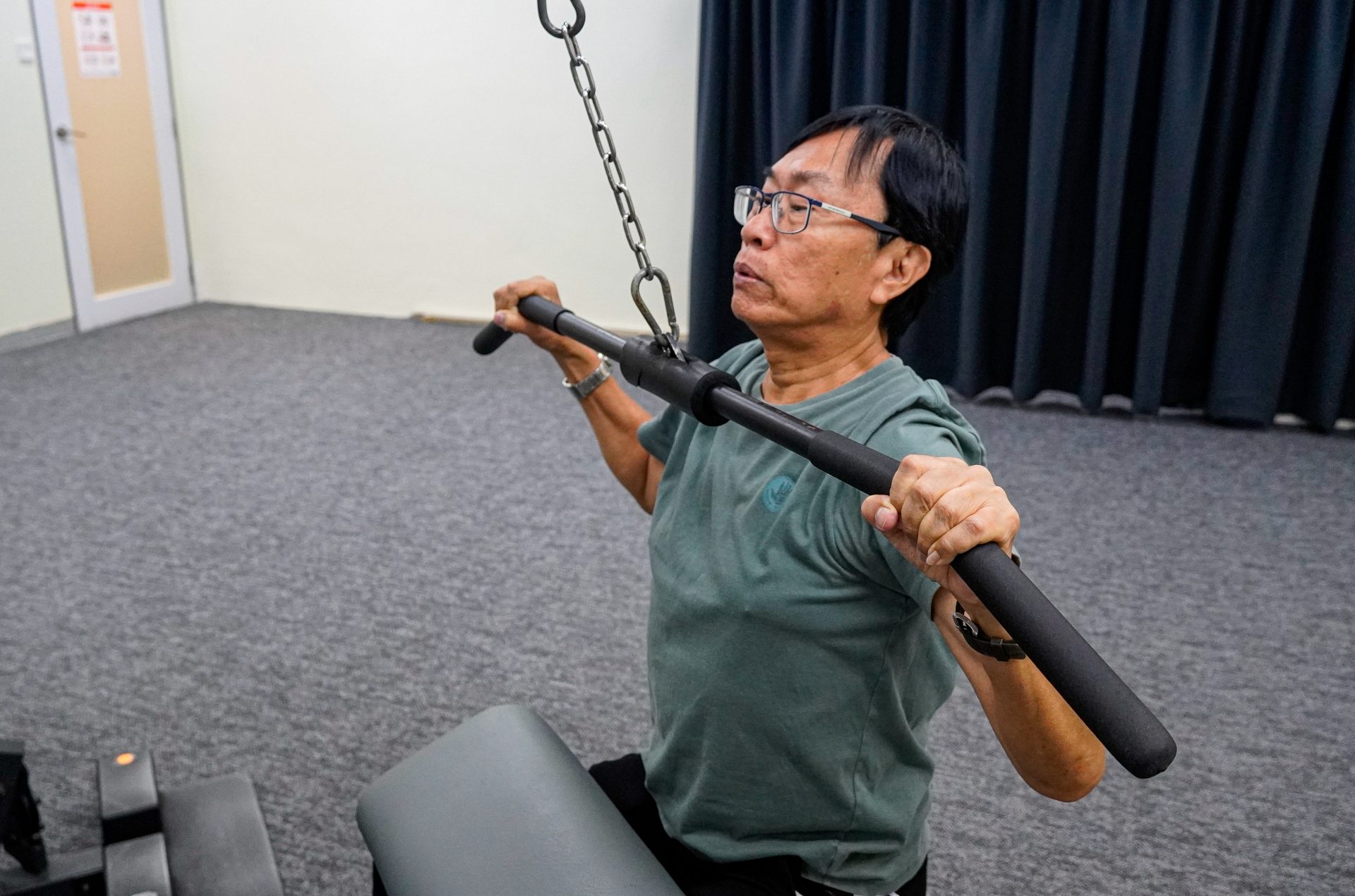
Cardiac rehabilitation is a well-established form of treatment suitable for almost all heart conditions, including heart attacks, coronary artery disease, valvular heart disease and even heart failure.
The overall goal of cardiac rehab is to improve patients’ heart health and well-being to prevent recurrence of a cardiac incident. It is a multidisciplinary programme involving physiotherapists, occupational therapists, nurses, pharmacists, dietitians, and physicians, assisting patients with their lifelong maintenance of dietary habits, physical activity levels, and risk factor modification such as smoking cessation.
What does Cardiac Rehabilitation Involve
The three components of Cardiac Rehabilitation are:
- Supervised Exercise Sessions – A vital part of cardiac rehabilitation that ensures patients’ safety and helps them build confidence and fitness following a cardiac event.
- Counselling – Provides emotional support and advice to patients and their families in coping with lifestyle changes, treatment fees, etc., on the road to recovery.
- Patient Education – Information on heart disease condition, treatment and risk factor modification empowers patients to care for themselves.
There are four phases of Cardiac Rehabilitation:
| Phase | Setting | Nature of Rehabilitation | Duration |
| 1 | Hospital (Inpatient) |
|
During hospital stay |
| 2 | Hospital (Outpatient) |
Usually begins two weeks after discharge from hospital. |
4 to 8 weeks |
| 3 | Community (at SHF Heart Wellness Centre) |
|
8 to 12 weeks |
| 4 | Community (at SHF Heart Wellness Centre) |
|
Lifelong |
For a community-based cardiac rehabilitation programme, patients can enrol with the Singapore Heart Foundation’s Heart Wellness Programme.
Benefits of Cardiac Rehabilitation
-
Reduce recurrence, re-hospitalisation and death
In Singapore, 1 in 3 heart attack patients may experience a recurrent cardiac event. Clinical research has shown that regular participation in cardiac rehabilitation reduces cardiac-related death by over 50%, reduces re-hospitalisations (for all causes) by 25%, improves chronic disease control and well-being. -
Reduces the main risk factors of cardiovascular disease
i.e. High blood cholesterol, high blood pressure, diabetes, obesity, physical inactivity, stress, unhealthy diet and smoking -
Keeps patients within a safe heart rate range
Supervision by qualified physiotherapists ensures patients do not overstrain their hearts, thereby reducing the risk of cardiac events. -
Improves cardiovascular health, overall body strength and quality of life
Tasks that felt strenuous before will feel significantly easier due to improved health and well-being.
Who will Benefit from Cardiac Rehabilitation
Heart patient with one of the following:
- Heart attack
- Coronary artery disease
- Valvular heart disease
- Heart failure
- Undergone angioplasty, ballooning/stenting or heart surgery
Individual with risk factors such as:
- Diabetes
- Hypertension
- Obesity
- High blood cholesterol
- Other conditions that can lead to a higher risk of developing heart disease