|
How to Reverse Salty Taste Buds in 3 Weeks

Ever wonder why some food tastes bland to one and salty to another? That is because different people have varying thresholds for salt. Consuming food high in salt content for a long period of time can dull the taste buds’ sensitivity to its taste, resulting in a need for a higher concentration of salt for one to detect saltiness.
Based on the Health Promotion Board’s National Nutrition Survey 2018, Singaporeans consume an average of 9g of salt daily, exceeding the recommended amount of 5g per day by almost two times, largely contributed by seasonings, table salt and sauces added during food preparation. This excessive consumption of salt also translates to high sodium intake, which can lead to high blood pressure and increased risk for heart disease and stroke.
The good news is – we can retrain our tastebuds and reduce salty cravings! According to Mr Lim Kiat, Senior Nutritionist at the Singapore Heart Foundation: “All it takes is three weeks of less salt and your taste buds will become more sensitive to it. Your preference for salty food will decrease.”
To train your tastebuds to be less salty – aim for a progressive change over time to get accustomed to a lower sodium diet. This will work better than attempting to create drastic changes that could be unsustainable or backfire.
Here’s a step-by-step approach you can try to bring back your healthy tastebuds.

Week 1: Order Smart
When you dine out, take-away or order in, it is important to adopt simple and easy habits to reduce overall sodium consumption.
- Say no to gravies or soups
- Ask for less gravy or soup when ordering
- Refrain from finishing the entire bowl of soup or gravy
- Ask for less sauces or condiments
- If sauce or dressing is still preferred, ask for it to be served separately. Only dip when required and do so sparingly.
- Do not dip into additional condiments like soy sauce and chilli sauce
- Add on fresh herbs or spices such as fresh spring onion, coriander and red chilli
- Limit intake of highly salted food items
- Avoid selecting processed or salted meats, fish, vegetables, pickles (e.g. luncheon meat, ikan bilis)
- Choose fresh lean protein such as sliced fish, minced meat in replacement of fishball, fishcake etc.
- Choose plain rice over flavoured rice
- Opt for rice noodles such as bee hoon, kway teow
- Do not choose yellow egg noodles, which has higher sodium content
Still unsure if you are making the right choice? Here are 10 saltiest hawker dishes in Singapore that might surprise you.

Week 2: Shop Smart
We are spoilt for choice when shopping for our groceries. Making the right choice can make a difference to the overall sodium intake for you and your family. For week 2, switch out the high-sodium items in your kitchen and load up on the low-sodium ones.
- Do a pantry audit.
- Here are 10 pantry foods with hidden sodium you might need to consider switching out
- Look out for the Healthier Choice Symbol with “Lower in Sodium”
- Food product with this symbol contains 25% less sodium than similar products without the symbol
- Check the ingredient list
- As ingredients on the list are arranged in descending order by weight, avoid products where salt or sodium are listed as one of the first three ingredients
- Alternative names for sodium can include monosodium glutamate (MSG), sodium bicarbonate, sodium nitrate and sodium benzoate
- Examine the Nutrition Information Panel
- Look at “Per 100g” column to help you compare the nutrient content of similar products.
- Opt for those with ≤120mg sodium per 100g for low in sodium products.
- Read Food Labels
- Opt for products labelled “No added salt”, “Salt-free”, “Low in Salt”, “Reduced Salt” etc.
- Opt for fresh produce
- Avoid purchasing processed food (e.g. sausage, fishball, fishcakes, ham, etc.)
- Go for fresh food such as fresh lean meats, poultry, fish, tofu, eggs etc.
- Replace your salt
- Potassium salt is a good alternative to table salt
- Individuals with medical conditions such as chronic kidney disease should exercise caution and get advice from a health professional before replacing your salt

Week 3: Smart Cooking
Preparing your own meals has always been known as a healthier option! Once you’re ready with your newly stocked pantry and fridge, you can switch to cooking at home and be mindful of the use of the saltshakers, sauces and condiments.
- Fresh is the best
- Select fresh foods (such as lean meat, poultry, fish, fruits, vegetables) over processed foods (e.g. canned, salted, smoked, pickled, convenience and pre-packaged foods)
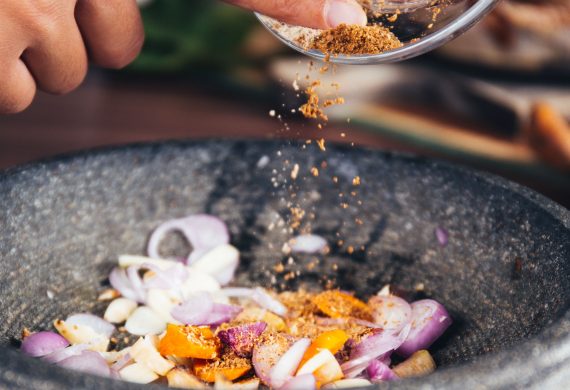
- Season foods with herbs and spices
- Herbs (e.g. coriander, onion, garlic, ginger, chives, spring onion, parsley, coriander, etc.)
- Spices (e.g. curry powder, five-spice powder, chilli, cumin, pepper)
- Flavour with fresh ingredients like fresh lemon/lime, vinegar, sesame, olive oil
- Also, check out these 10 lesser-known salt alternatives that you can use to enhance the flavour of your dish without piling on the sodium
- Reduce salt or sauces gradually
- Taste your food before being salt or sauce bae
- Reduce the amount of salt or sauces added during cooking and at the table
- Explore salt substitutes – look out for lower-sodium salt and lower-sodium sauces
- Avoid double seasoning – i.e. avoid adding more seasoning after marinating
- Go for saltless snacking
- Substitute salted snacks such as potato chips, salted nuts with unsalted baked nuts, plain popcorn, roasted chickpeas, homemade chicken chips
Start adopting these changes today and you will not only crave less salt but may even find the foods you used to enjoy overly salty. Try it for yourself today!