|
Cardiac Rehabilitation During the COVID-19 Pandemic
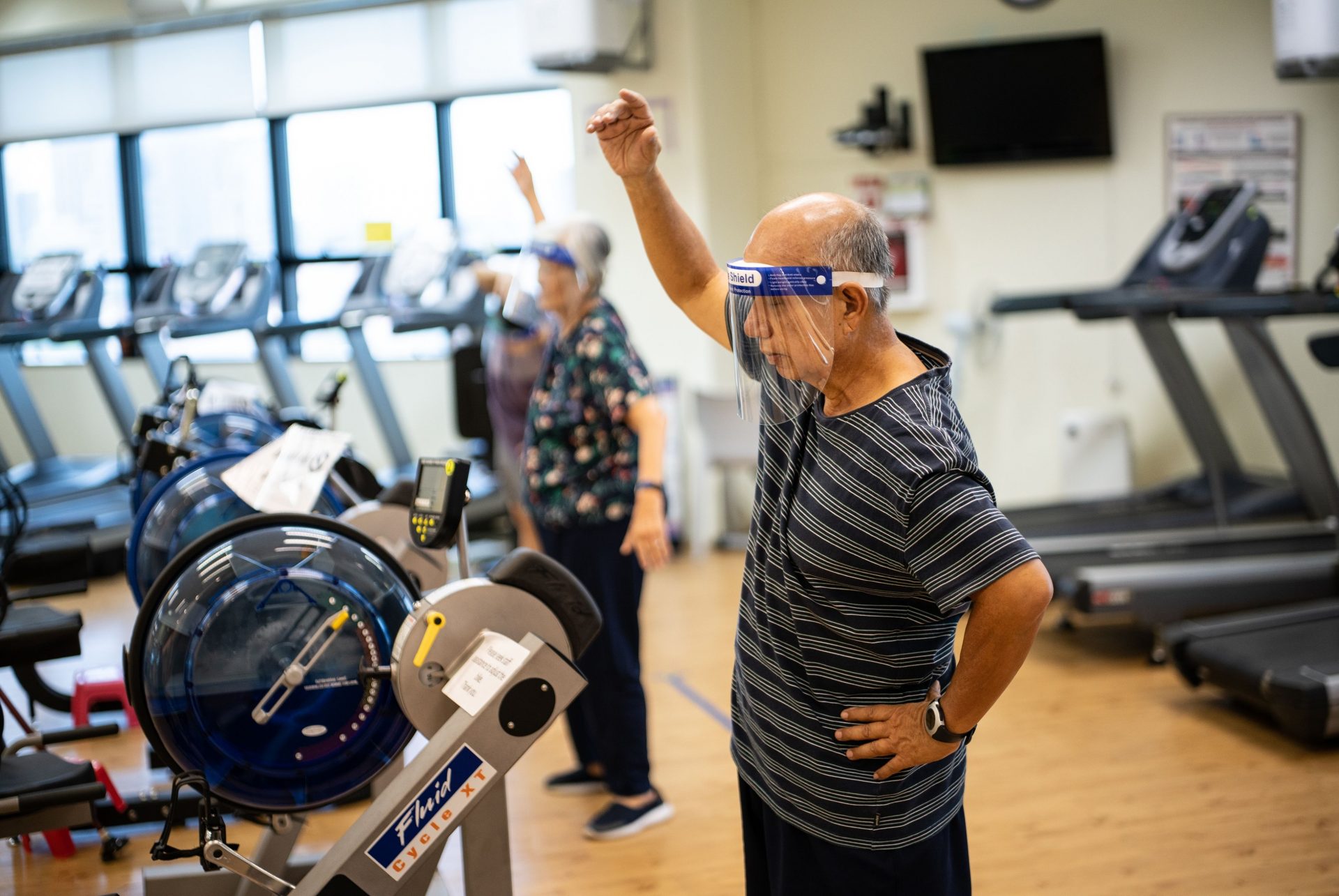
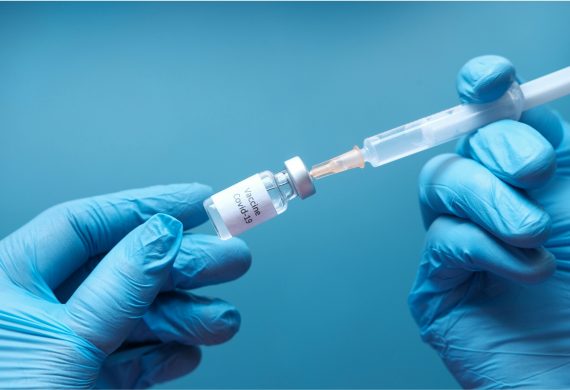
The COVID-19 pandemic has created unprecedented challenges in the way we provide cardiovascular care. With safe distancing measures in place, telehealth has become a necessity in providing healthcare to patients. Here we look at how hospitals and healthcare systems have reinvented cardiac rehabilitation to enable continuous care for heart patients.
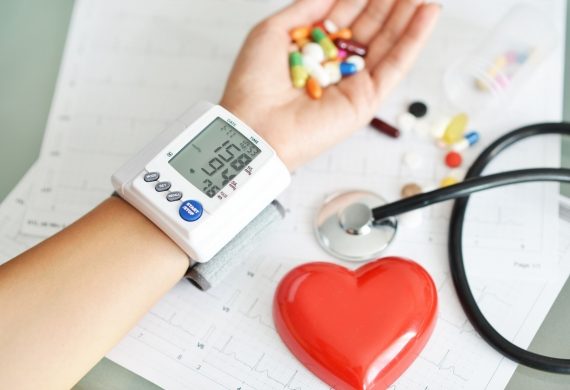
The appearance of COVID-19 in 2020 has wreaked havoc all over the world and it has caused over 2.6 million deaths as of time of writing. Despite the tremendous strain COVID-19 has placed on the healthcare systems around the world, heart disease remains the undisputed world’s No. 1 killer responsible for almost 18 million deaths yearly.
In Singapore, close to 12,000 people suffer from heart attacks, medically known as acute myocardial infarction, every year, with around 1,000 deaths annually, dwarfing the 30 COVID-19 deaths locally so far.
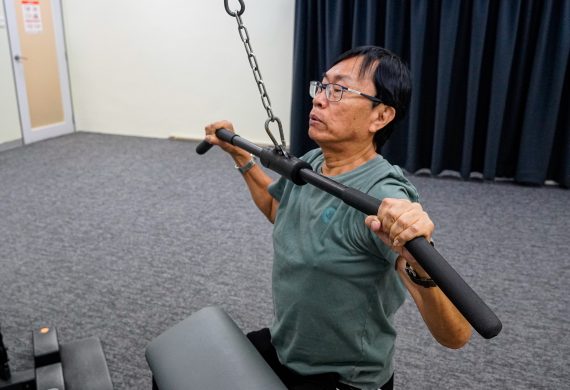
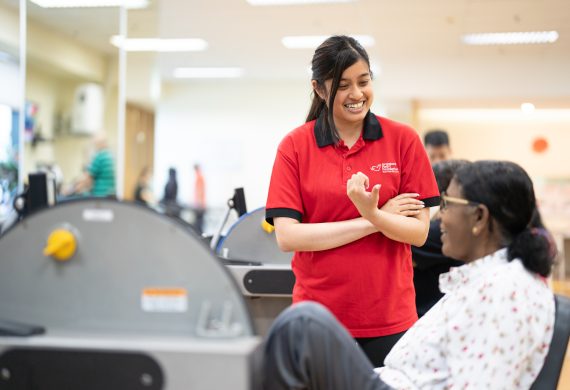
After a heart attack, a form of treatment proven to improve heart health, reduce hospital re-admissions and even lower the risk of death is traditional cardiac rehabilitation (CR). Traditional CR comprises outpatient supervised exercise sessions by trained physiotherapists who ensure that heart attack survivors resume exercise in a safe manner and regain confidence to continue their own physical training in the long run. In addition, a multidisciplinary team of allied healthcare professionals also assists patients in many other aspects such as diet modification, medication compliance and stress management techniques.
Unfortunately, results from an international survey of CR providers showed that over 85% of heart attack survivors do not participate in CR in Singapore. Reasons for this include lack of time, work commitments, transport difficulty and cost. Amidst the ongoing pandemic, fear of infection is another reason for avoiding hospitals and CR centres. To make matters worse, COVID-19 led to the abrupt suspension of all CR centres in Singapore during the circuit breaker period. Existing CR patients and those waiting for their exercise classes to begin were caught off guard and did not know what to do as there were no established alternatives to traditional CR programmes in Singapore.
Online resources
Thankfully, Singapore is one of the world’s most tech savvy nations with more than 90% of our population owning smartphones. This enabled healthcare providers to use technology to overcome several barriers in delivering CR.
Educational material from various sources, like the Ministry of Health (under HealthHub), Health Promotion Board, and the Singapore Heart Foundation uploaded online are free for patients to access. Nonetheless, these resources are passive and access depends on patients’ own motivation and educational level. Given the popularity of YouTube in Singapore, safe and simple exercise videos for various fitness levels were also made available via the platform. Healthcare institutions also utilised social media outlets such as Facebook to engage patients in real time, for instance the FB Live sessions by Singapore Heart Foundation that incorporated exercise, cooking demonstrations and health talks.
Telehealth-based cardiac rehab
Going one step further is the use of telehealth as a delivery method for CR. According to the New England Journal of Medicine, telehealth is defined as “the delivery and facilitation of health and health-related services including medical care, provider and patient education, health information services, and selfcare via telecommunications and digital communication technologies”. Amidst the pandemic, it is necessary to utilise all ways and means to engage and empower patients to take charge of their health.
One example of telehealth-based CR is the hybrid CR programme, started by the National University Heart Centre, Singapore (NUHCS) during the circuit breaker period. Patients who are admitted to hospital for heart attack will receive prompt messages on their phones containing one-click links to in-house educational material on procedures that they have undergone and tips on how to manage their symptoms (if any). They are also empowered to call a hotline for teleconsultation with a CR case manager for further individualised education. Following discharge, patients are reviewed in-person at the outpatient CR clinic for suitability to join the new programme based on their risk profile and digital literacy level.
Upon enrolment into the programme, three out of 10 sessions are carried out remotely. These are: the very first orientation session that is performed using Zoom, and two teleconsultation sessions with the cardiac physiotherapists where patient symptoms are reviewed over the phone and exercise is prescribed thereafter. In between, traditional in-person exercise classes have been retained to ensure safety is not compromised, and building of patient confidence is emphasised.
On top of these 10 sessions, a set of multidisciplinary educational talks have also been converted from in-person group sessions to real-time videoconferencing. These sessions include: pharmacists expanding on the role of medication, dietitians explaining heart healthy diets, occupational therapists speaking about management of stress as well as nurses imparting information on heart disease. Patients can now listen and interact with healthcare professionals without needing to travel to the hospital.
Patient feedback for the NUHCS hybrid CR programme has been very favourable, with majority of participants agreeing that it helped them save time, money and minimised infection risk. The programme received a mean score of 9.3 out of 10 and shows that telehealth based CR is feasible and acceptable as an alternative delivery method from the patient’s point of view.
Patient support groups go online
Not to be outdone by hospital efforts, patient support groups are also utilising technology for better engagement. The Caring Hearts Support Group, comprising volunteer patients who share personal experiences on coping, living and thriving with heart disease within small in-person groups, has since embraced Zoom to hold sharing sessions, recruit new members, organise home-based exercise and even celebrate birthdays and festivals.
As society acclimatises to a new normal where infection control practices and physical distancing measures are commonplace, the delivery of CR has also evolved dramatically. While still in its infancy, telehealth has altered the landscape of CR for the better and will be here to stay.

Article is contributed by Dr Yeo Tee Joo, Committee member of the Singapore Heart Foundation’s Cardiac Rehabilitation and Heart Wellness Centres. He is also a cardiologist and the Director of the Cardiac Rehabilitation Unit at the National University Heart Centre, Singapore.
Special acknowledgements go to the NUHCS CR team and the Caring Hearts Support Group, who have grown from strength to strength and being the source of inspiration to all.