|
In the Air and in Your Veins
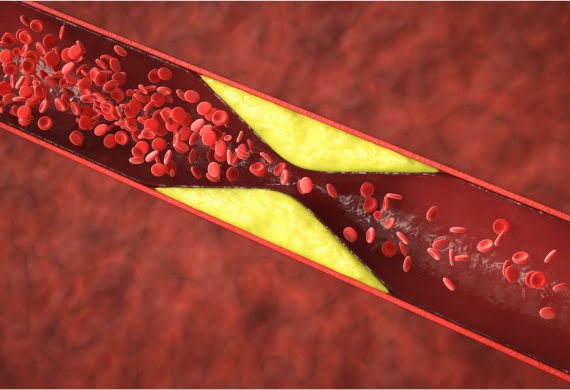
Deep vein thrombosis (DVT) occurs when blood clots develop in the deep veins, usually in the legs. Symptoms caused by DVT are occasionally significant, but a major concern about DVT is when part of the clot breaks off and travels through the network of veins to other parts of the body. It usually stops in the lungs, causing a blockage there that affects the flow of blood to the lungs. This is known as pulmonary embolism (PE). The lower the clot occurs in the leg, the less likely it is to cause major lung problems; but a DVT in the upper legs poses a high risk of causing a significant lung embolism.
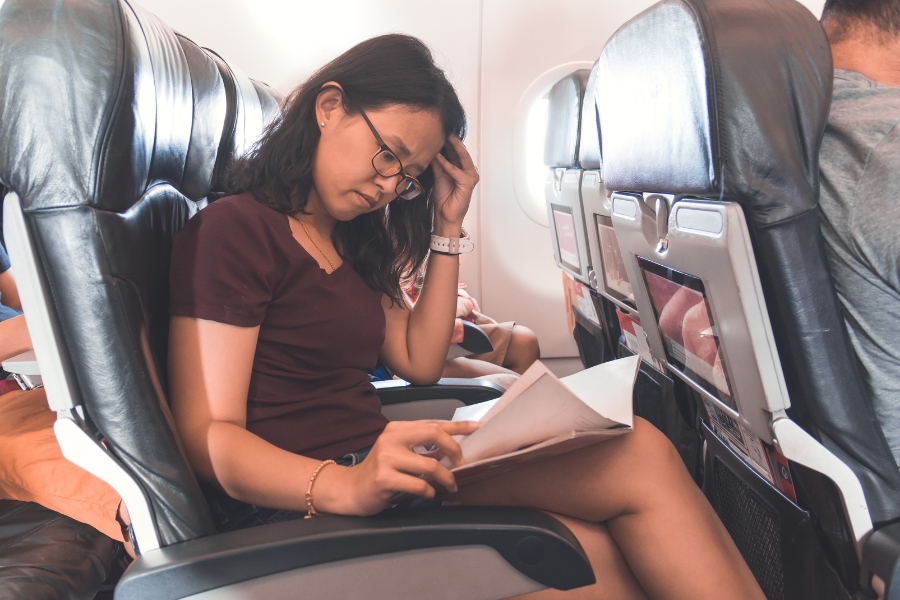
DVT becomes a potential problem when you are seated, often with legs flexed, and with no ability to move around freely, in a dehydrated environment. This describes an air cabin pretty well and leads back to Virchow’s triad – the three broad categories of factors that are likely to contribute to thrombosis. The triad is an eponymous combination of significantly reduced blood flow, compression and/or damage to the wall of the vein, and increased viscosity of the blood.
Prolonged sitting reduces blood flow, and knee flexion with pressure from the edge of the seat further restricts blood flow at the bend; this is often complicated by increasingly viscous blood due to dehydration and lower oxygen supply at cabin altitude, i.e., up to 8,000 feet above sea level. This can affect people who take long haul flights on a regular basis, and seniors who are more likely to have underlying health conditions.
One study estimates that 1 in 4,600 travellers will suffer blood clots within four weeks of a long-haul flight.
Risk factors
People who have pre-existing risk factors for a blood clot are at a higher risk of developing travel-related DVT. These risk factors include:
- Being older (the risk increases substantially after the age of 40)
- Overweight
- Use of hormonal contraceptives or hormone replacement therapy
- Pregnancy or having recently given birth
- Coagulation disorders (which may be undiagnosed, but frequently present as a family history of DVT)
- Cancer
- A history of previous DVT
- Other diseases of the cardiovascular system, notably congestive heart failure
- Having undergone a recent major abdominal, orthopedic surgery, or surgery of the lower limbs, long-term hospital bed stay, and/or multiple trauma
- Restricted mobility
Symptoms of DVT
Some symptoms and signs may not be very specific, so it is best to provide your travel history to your doctor:
- Pain, tension or tenderness in the calf
- Swelling of the leg
- Subjectively increased temperature on the affected side/calf
The complications of a pulmonary embolism may also be present with notable respiratory symptoms, such as:
- Chest pain
- Shortness of breath
- Cough or cough with blood
- Reduced consciousness, fainting, or even a cardiac arrest
Tips to Reduce Risk
Fortunately, and especially for air travellers without significant comorbidities, reducing the risk of DVT from air travel is relatively straightforward, inexpensive, and could easily be done by oneself. Here are some tips on how to do so:
- Select an aisle seat so you can get up and move around easily.
- Stay well hydrated with non-alcoholic beverages to keep your blood less viscous. While there is no statistical evidence to link dehydration and DVT, staying hydrated has other advantages too, such as reducing the risk of getting infected through dried up mucous membranes which have lost their normal protective moisture barrier.
- Stretch your legs! Move your feet up and down to keep your calf muscles active.
- Avoid placing large bags under the seat in front of you to give yourself more room to stretch.
If you do not have any DVT risk factors and have no other clinical indications of developing them, taking aspirin or anticoagulants to prevent DVT is NOT recommended. Aspirin is of no value in preventing DVT. Drugs to diminish blood clotting, or anticoagulant prophylaxis, with low molecular weight heparin should only be recommended on a case-by-case basis, and by a physician, who is aware of your medical history.
Conclusion
Although Deep Vein Thrombosis is usually associated with long-haul flights, it is a potentially fatal condition that could be brought about by an activity as simple as sitting for prolonged periods. Even an hour and a half of no activity, could reduce blood flow behind the knees by 50%. So, get stretching when you have a chance and enjoy your well-deserved trip!
This article was first published in heartline Dec 2014 and was contributed by Dr Rene De Jongh.