|
Organ Donation: Insights from a Heart Failure Cardiologist
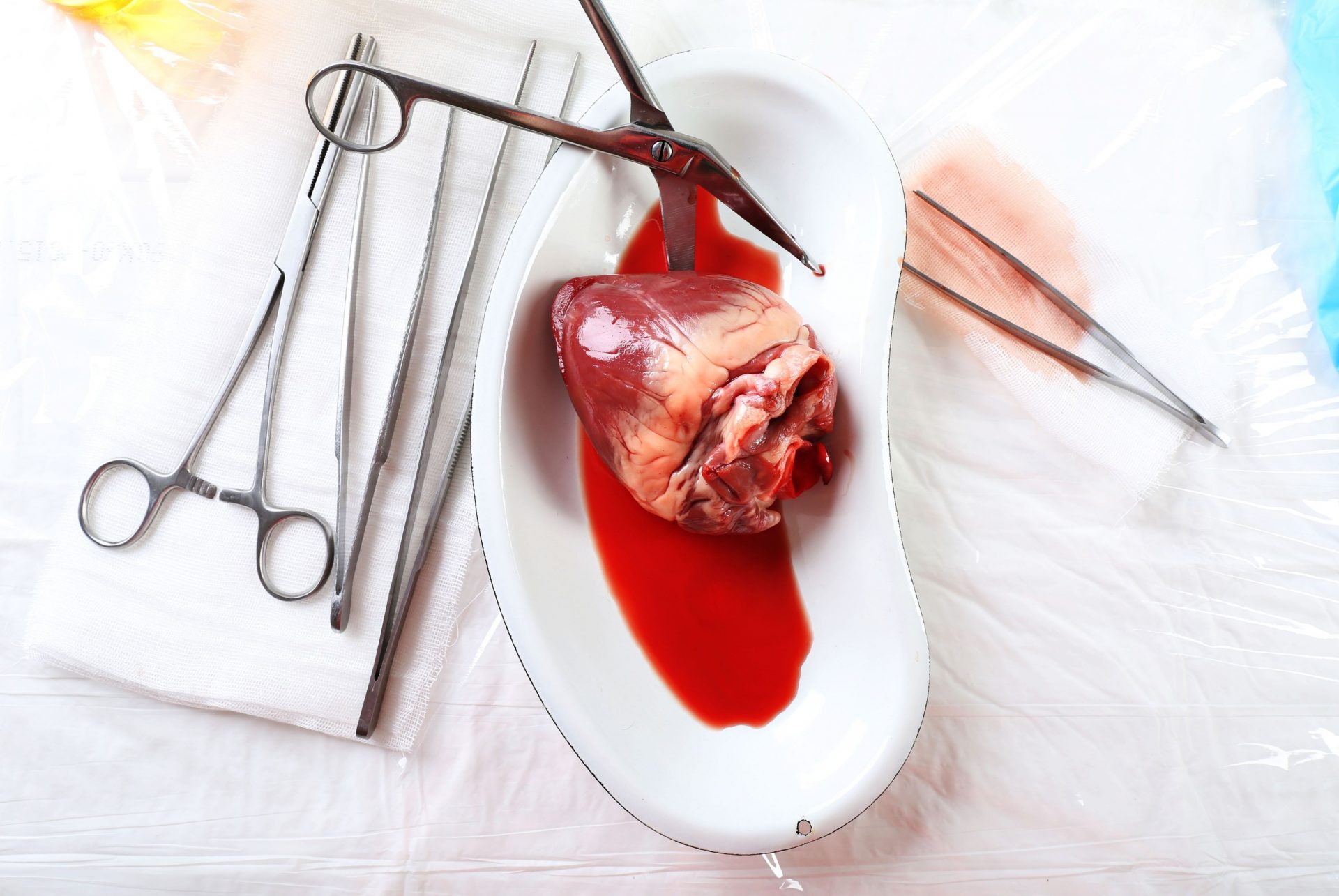
I am a heart failure and heart transplant cardiologist. I take care of patients whose heart functions are severely weak due to various reasons. Recently, I lay awake in bed at 2am, anxiously awaiting the outcome of the evaluation of a potential heart donor who was declared brain dead after a most unfortunate road traffic accident.
The person who would stand to benefit from a successful match will be one of my 30 patients on the heart transplant waiting list, who are being kept alive by a Ventricular Assist Device (also known as VAD, an artificial heart pump), or that critically ill teenage boy lying in our Intensive Care Unit on a heart-lung bypass machine, who is ineligible for a VAD and would not survive without a heart transplant.
After four hours, it was deemed that the heart was not suitable for transplantation. I went back to bed disappointed, unable to sleep again, wondering when the next hope for my patients will come again.
Heart transplants are always bittersweet events.
For patients with end-stage heart failure, they struggle in their everyday lives. With a poorly pumping heart, one will experience low energy and significantly reduced effort tolerance. Oftentimes, he or she may not be able to walk more than 100 metres without feeling out of breath. Sometimes, even the act of lying flat on his or her back can result in breathlessness and he or she, therefore, spends most nights sitting up in bed trying to catch some sleep.
In spite of being compliant to a multi-tablet drug regime and strict lifestyle restrictions, these months and years are often spent in and out of the hospital wards or coming to our clinics in wheelchairs. He or she may even be at risk of dying anytime from lethal arrhythmias (abnormal heart rhythms) or when the heart eventually weakens further and stops pumping. For such a patient, getting a heart transplant will be akin to a striking lottery. A successful heart transplant surgery, albeit also associated with surgical and medical risks, will give such patients a new lease of life. No longer will the patient experience breathlessness and a sense of impending doom. He or she will have a good chance of leading a relatively normal life for at least the next 10 years.
The average survival of heart transplant recipients in Singapore is 57.4% at 10 years, as opposed to chances of survival of less than 50% at one year for a patient with end-stage heart failure. The longest living heart transplant recipient in Singapore has had over 30 years of life extended.
On the other hand, because all of us have only one heart, there is no option other than to wait for someone to succumb to some unfortunate event before one of my patients can get a transplant. The donor will have to be someone free of significant medical conditions and usually be young (in his or her prime years), who is not expected to meet with an accident, and most certainly not someone who is expected to die.
When a brain injury is determined to be extensive, permanent and involving vital functions of the brain stem such as breathing and basic reflexes, one will be declared as “brain dead”. He or she will still have a beating heart but will otherwise not be alive if not for the support of the ventilator and artificial feeding tubes. Therefore it becomes, not unexpectedly, extremely difficult for the loved ones of the donor to come to terms that he or she has passed on, and even more difficult to accept that he or she is going to have the vital organs removed from the body, to be given to someone else.
Organ donation after brain death is on a voluntary basis in most other countries such as Australia, Europe or the United States of America. However, such voluntary donation remains uncommon in Singapore, leading to the amendment of the Human Organ Transplant Act (HOTA) in 2004 – mandating the compulsory donation of the heart, liver, kidneys and cornea in patients who have been certified to be brain dead, unless they have opted out of it prior to their demise. In spite of this, suitable donor hearts for transplantation have been few and far between.
On average, only two to four heart transplants are performed each year in Singapore at the National Heart Centre Singapore. There are several obstacles to increasing the number of heart transplants performed in Singapore. While the execution of the Act has not been easy due to opposition to the retrieval of the organs by grieving and distraught relatives, the increased incidence of cardiovascular risk factors like hypertension, hypercholesterolaemia (high cholesterol), diabetes and cigarette smoking amongst the general population, has also rendered many potential donor hearts unsuitable for transplantation due to the presence of coronary artery disease in these donors. Therefore, the list of patients with end-stage heart failure on the heart transplant waiting list grows year on year.
To combat the lack of heart transplants, since 2009, the National Heart Centre Singapore has implanted 82 artificial heart pumps (or VADs), to keep patients alive while awaiting heart transplants. Patients undergo a major high-risk open-heart surgery to have this pump connected to their hearts and implanted within their chest. The outcome is a wire (driveline) that sticks out of their upper abdomen and is connected to a controller linking them to external electrical power supply in the form of batteries or attached to an A.C. power supply. While this pump has the ability to give them an improved effort tolerance and the energy to perform daily tasks and even exercises, there are significant lifestyle adaptations that need to be made to live with this pump.
In Singapore, the survival rate of patients on VAD support is 87% at five years. Ultimately, the pump still has some significant disadvantages and risks of complications; thus, a heart transplant is still the preferred long term solution.
Following a heart transplant, significant transformations can be seen in the recipients of the organ. The majority of the 82 heart transplant recipients in Singapore have resumed their good quality of life, spending invaluable time with family and friends, and are able to carry out daily activities without impairment. They have gone back to work as per normal and some of them have even taken up long distance running and competitive sports! Every one of them is clearly thankful to their donors who have generously given them a new lease of life. Some patients have penned down their gratitude in the form of ‘thank you’ cards, while others have even met up with the families of the donors to personally express their appreciation. Needless to say, the medical teams who has seen these heart failure patients through their toughest times, at the brink of life and death, are also obviously relieved that their patients have received the most precious gift ever.
While I can only imagine the emotional anguish that a family goes through when a National Organs Transplant Unit coordinator approaches the family members soon after their loved one has been declared brain dead, this unfortunately is a necessary procedure that we, as a community, have to undergo in order to give someone with a disabling life-ending disease a new chance at life. I am writing this piece both to shed light on why organ transplantation remains important in Singapore and all over the world, as well as to thank the families and loved ones of the donors who have selflessly donated their vital organs – “Your precious gifts have not been wasted, instead have given others the most priceless gift of life! Thank you!”
Article contributed by Dr Lim Choon Pin, a consultant at the Department of Cardiology, National Heart Centre Singapore.