
|
Atherothrombosis
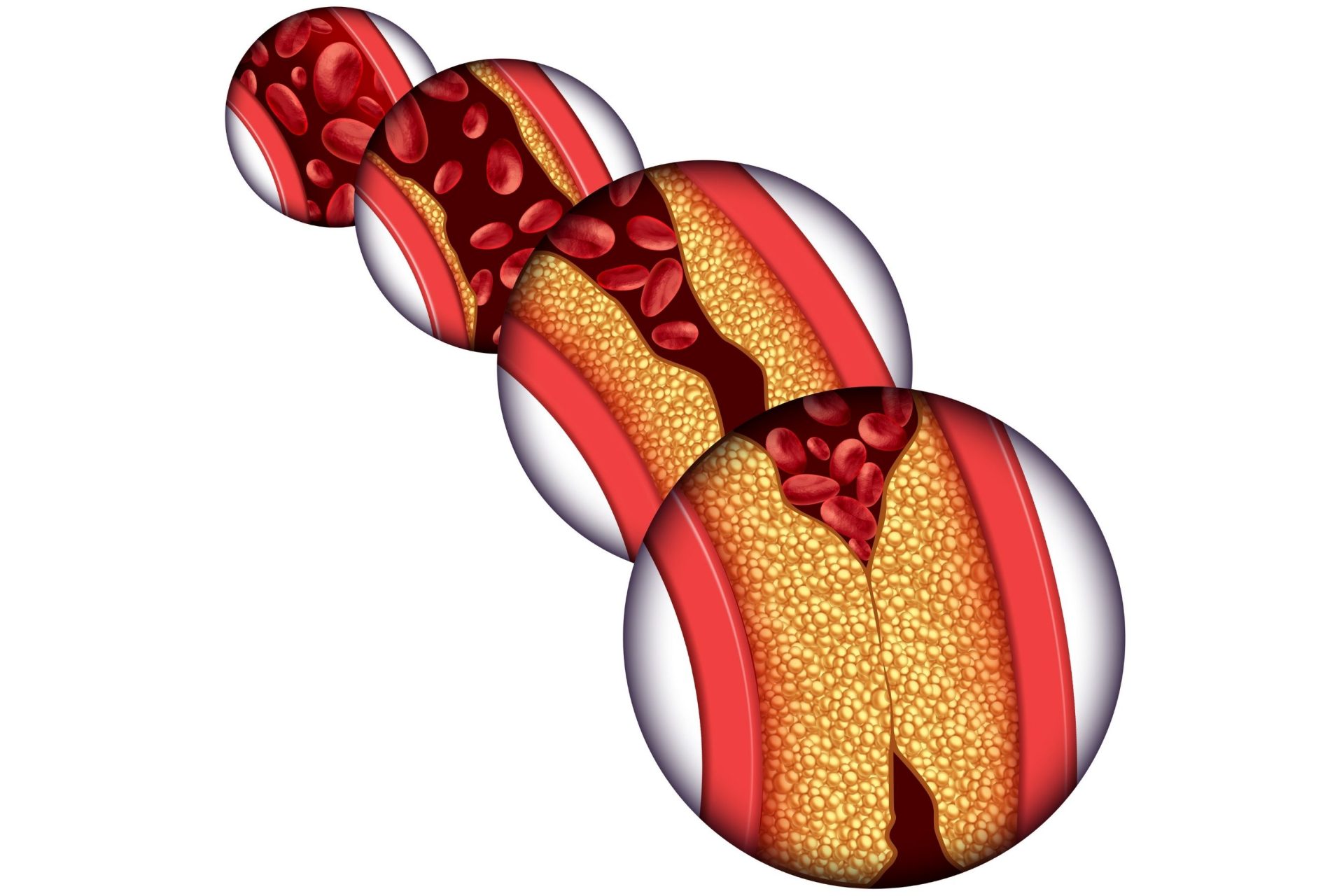
Atherothrombosis (AT) is a complication of atherosclerosis and a silent killer that causes heart attack, stroke and peripheral artery disease.
Causes
High blood pressure, cholesterol and obesity are risk factors of AT.
AT starts when deposits such as cholesterol build up in our artery walls. Over time, these deposits known as plaque will restrict the flow of oxygen-rich blood throughout the body. This is a gradual process that takes place over many years.
As blood flows over the plaque, forces are exerted on the plaque surface. Eventually, the plaque may rupture. This acute event causes platelets in the blood to stick to the plaque and other platelets, forming a blood clot or thrombus.
Complications
The blood clot (or thrombus) can limit or completely stop blood flow to part of the heart, brain or limbs, giving rise to:
- Heart attack
- Stroke
- Peripheral artery disease (the narrowing or obstruction in arteries that affect blood flow to the limbs)
Statistics from the Reach Registry – a worldwide survey of atherothrombosis patients – suggest that on average, one in eight outpatients with stable AT will die, suffer a heart attack or stroke, or be hospitalised for a complication arising from atherothrombosis within a year.
Treatment
It is vital to control various risk factors adequately:
- Medications to control diabetes, hypertension, and high cholesterol
- Antiplatelet agents, such as aspirin, clopidogrel and ticagrelor, to reduce the stickiness of platelets
Reduce Your AT Risk
- Regular gentle exercise
- Eating healthily
- Maintain an ideal body weight
- Avoid excessive alcohol intake
- Go for screening
- Manage stress
- Avoid smoking

-570x390.png "什么是预防性心病学_ (1)")


