|
What is Preventive Cardiology?
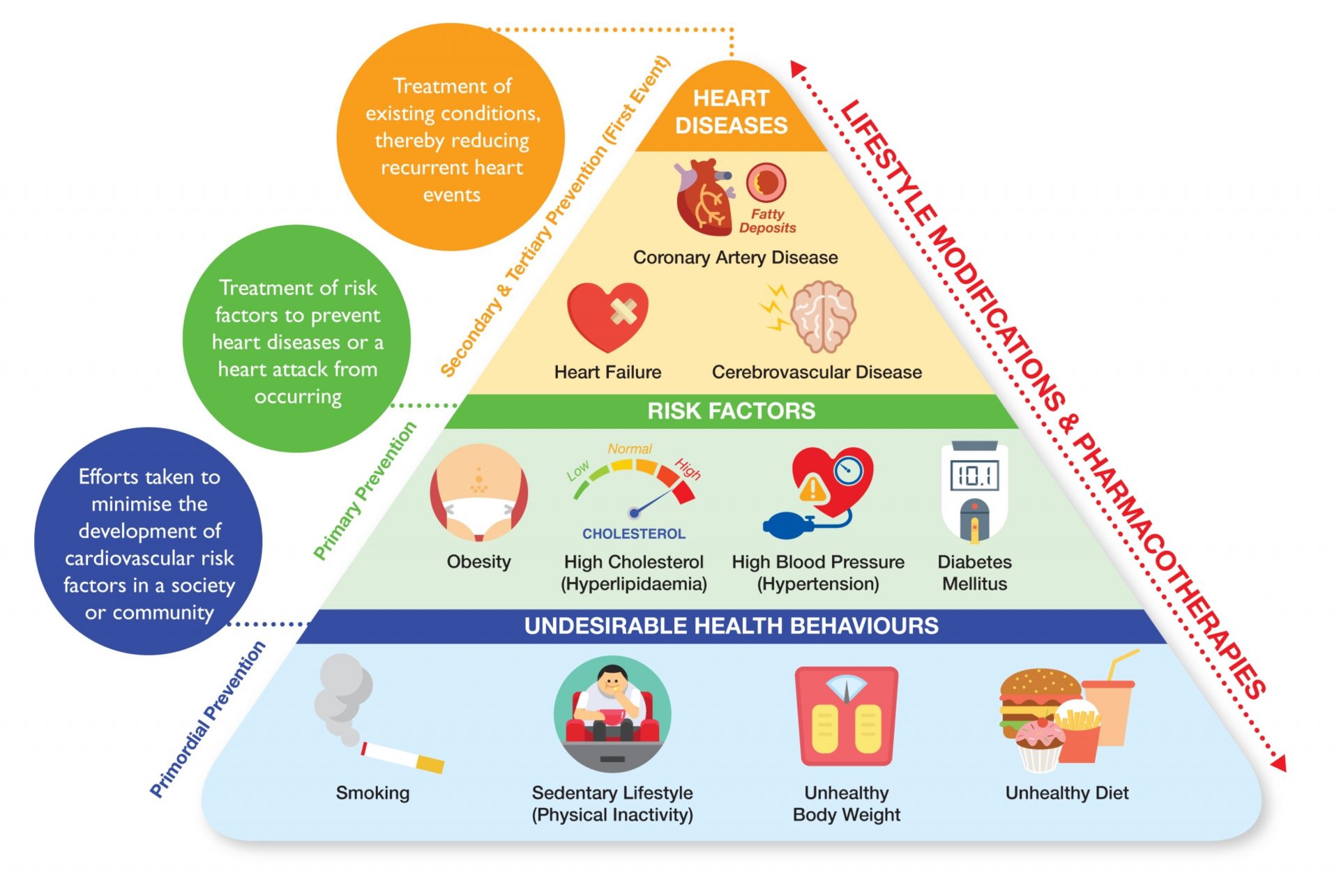
3 Levels of Prevention
Cardiovascular disease (CVD) is the leading non-communicable disease (NCD) in the world, and it was one of the top two causes of death in Singapore in 2016.
While CVD can mostly be prevented and controlled through a comprehensive and integrated action plan, it is very expensive to treat. Hence, regular health screenings are important to identify the early signs of CVD. In addition, modifiable behavioural risk factors namely a sedentary lifestyle, unhealthy diet, tobacco smoking and harmful consumption of alcohol are known to be associated with CVD.
This is where preventive cardiology is applicable – to help reduce the risk of developing CVD and prevent future heart events from recurring.
Case Study
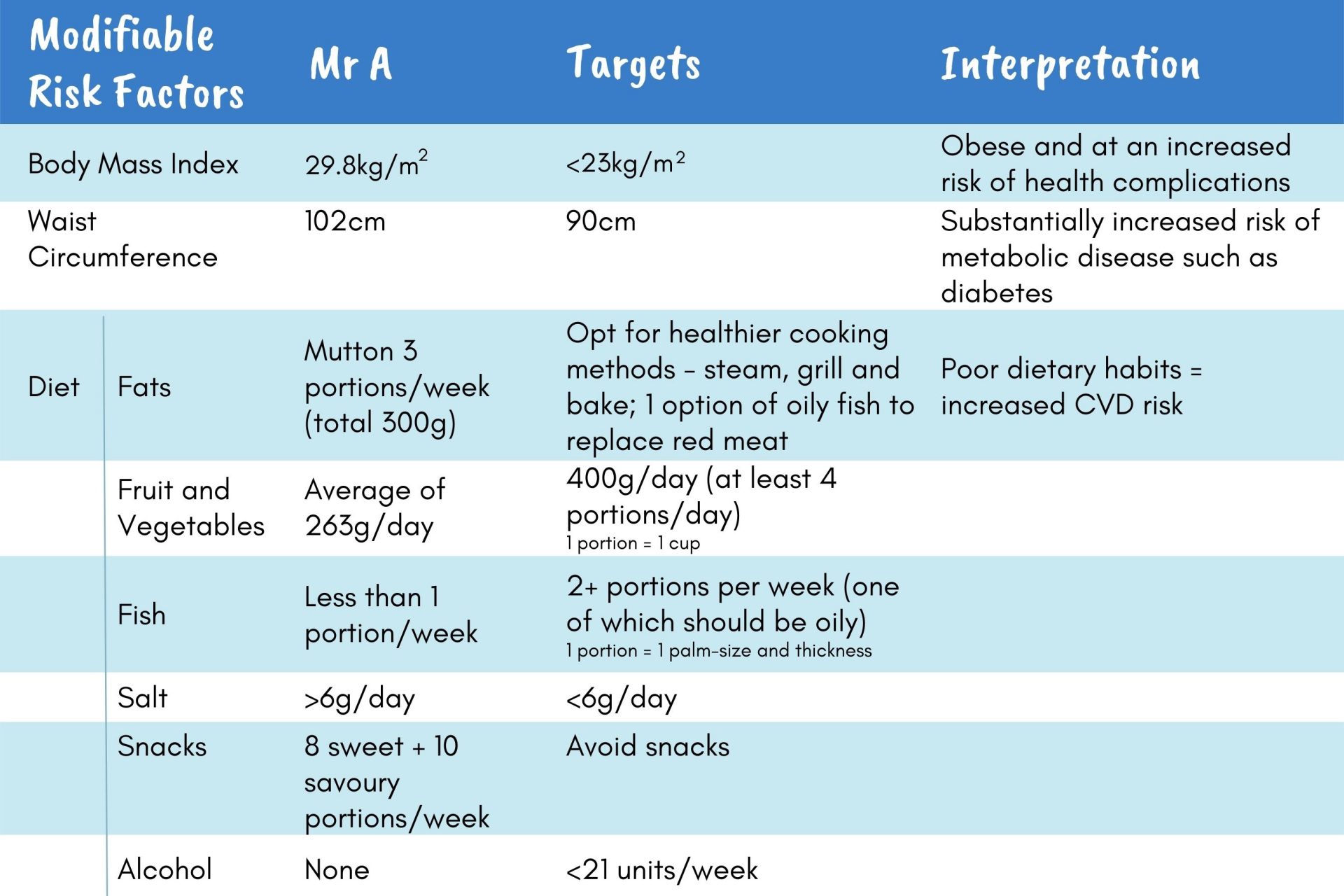
In order to understand the concept of preventive cardiology better, we will use a case study to illustrate how it works. Mr A is an overweight 60-year-old Singaporean Indian man. He is a heavy smoker, has high blood pressure, high cholesterol levels and a positive family history of heart disease (refer to Tables 1 & 2). Mr A is a full-time school attendant who walks about 6,000 steps per day.
Table 1 – Mr A’s ‘non-modifiable risk factors’ interpretation
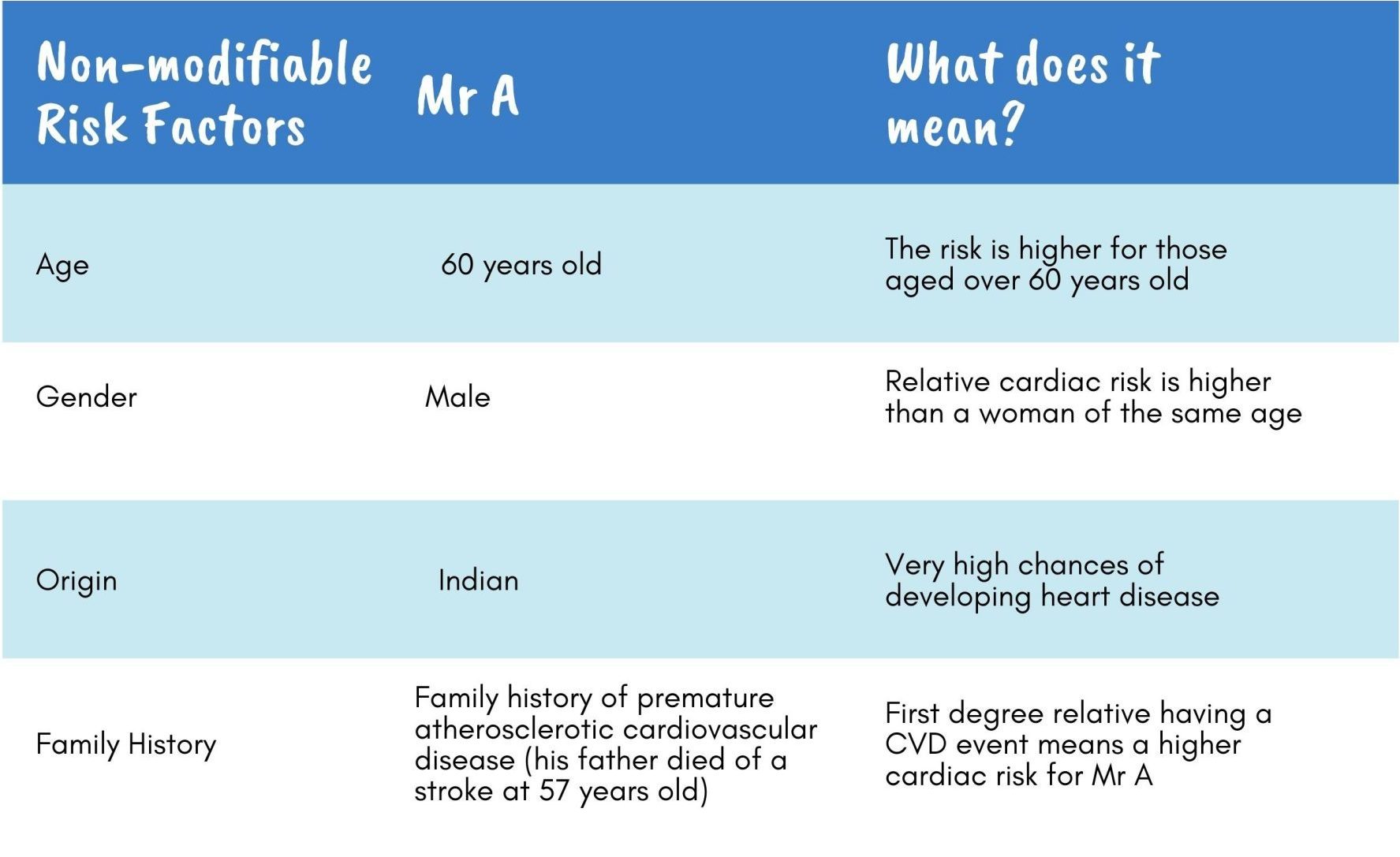
Table 2 – Mr A’s ‘modifiable risk factors’ interpretation and targets
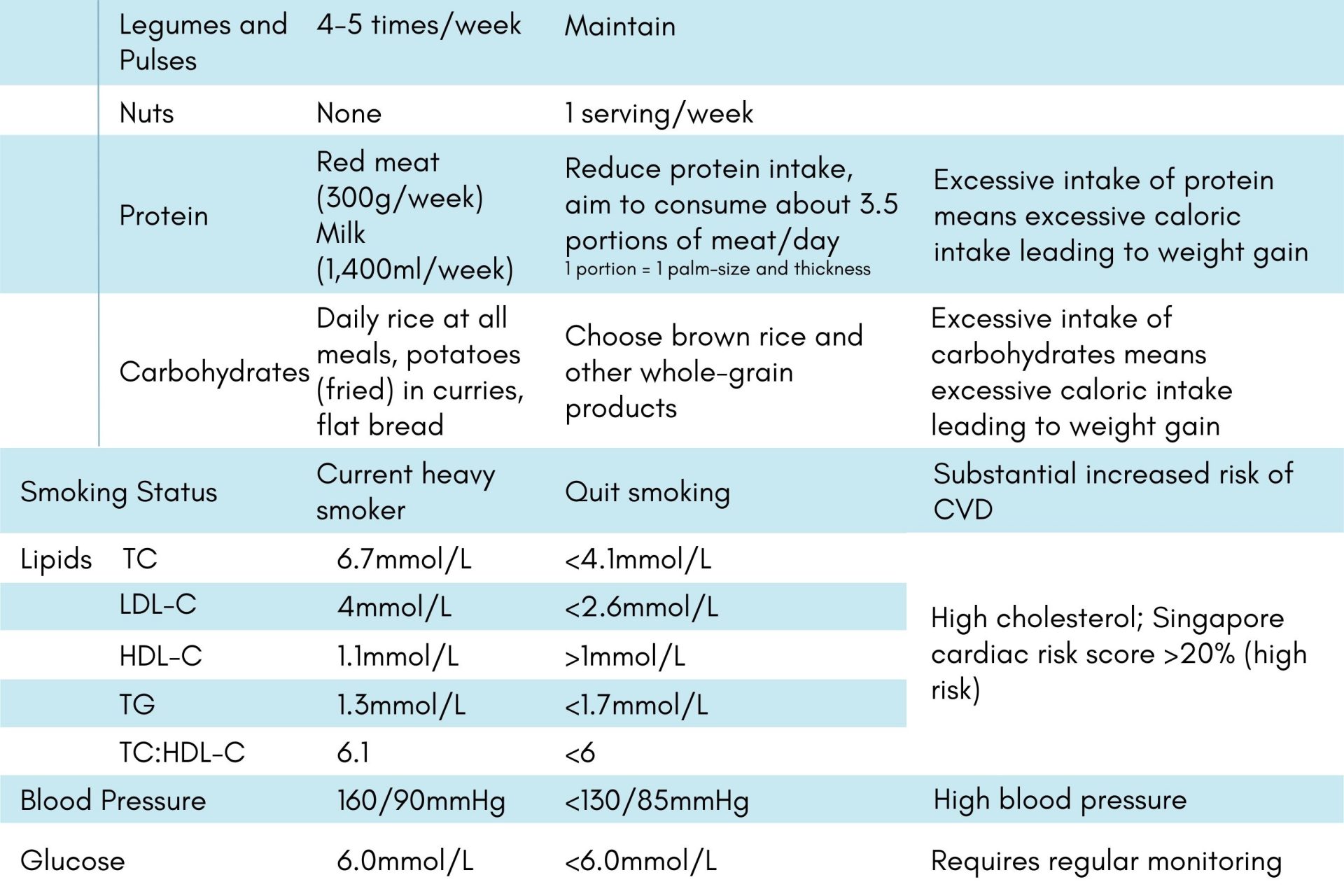
1SCRS: Singapore Cardiac Risk Score, 2011
When should you go for health screening?
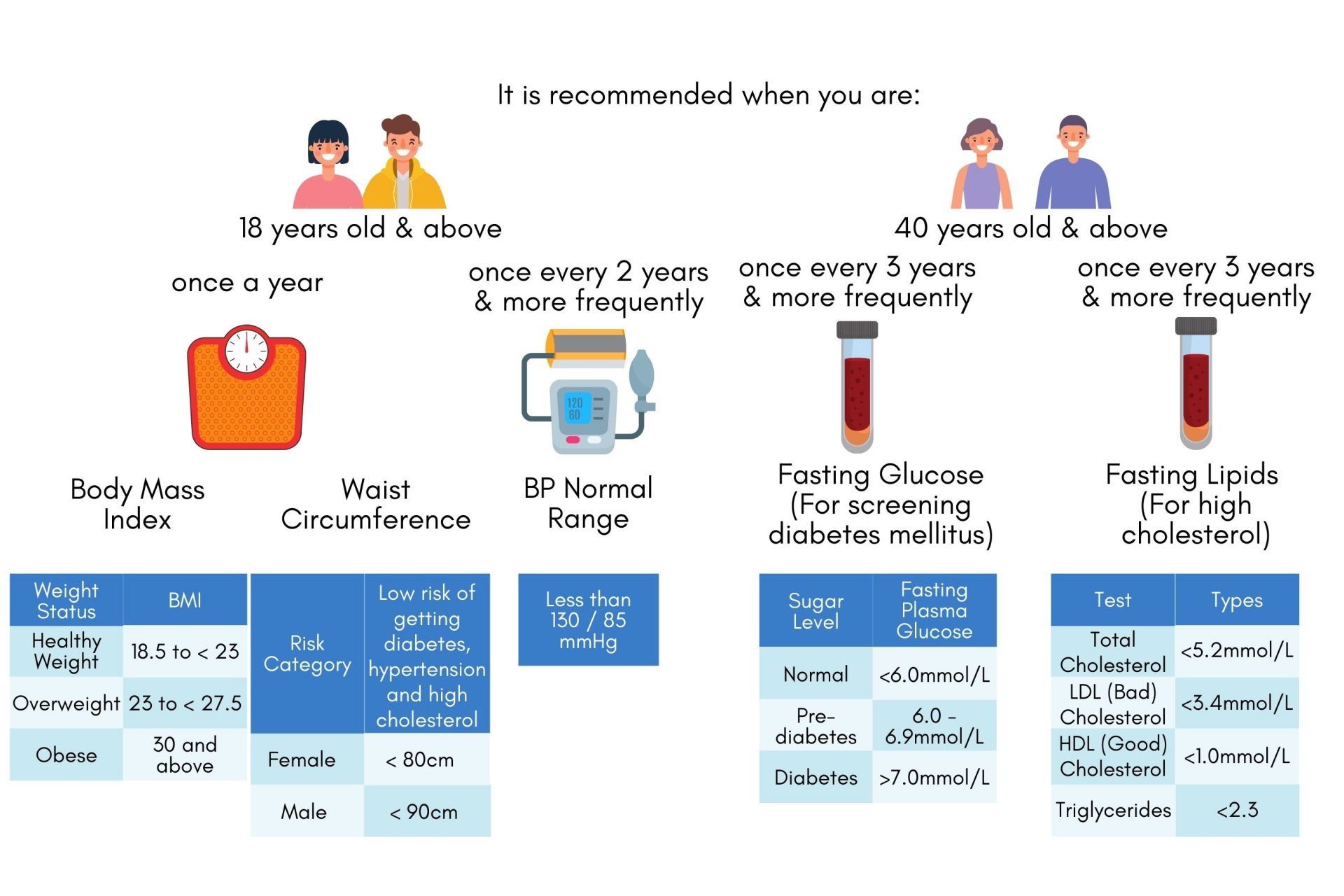
*Disclaimer: For information purposes only. Not professional medical advice nor a substitute.
According to the Singapore Cardiac Risk Score (SCRS) assessment, Mr A is at a high risk of contracting coronary artery disease within the next 10 years. Since Mr A is a South Asian by origin, by World Health Organisation mortality stratum, he comes from a region with people having high risk of dying from heart diseases. Thus, active management is justified, namely professional lifestyle management and medical management to reduce his risk, prolong his lifespan and enhance his quality of life (MOH, 2011). In an ideal situation, he would be referred to a family-based multi-disciplinary vascular health programme, such as the rehabilitation programme in SHF – Heart Wellness Centre.
Behavioural and Psychosocial Management
As part of the preventive cardiology programme, a comprehensive assessment of Mr A’s health will be done. It involves a multi-disciplinary team to look into the different aspects of his lifestyle – smoking, diet, physical activity level, psychological status, socioeconomic environment and family history. Based on the initial assessment results (refer to Tables 1 & 2), there is an urgent need to manage his risk level.
Before embarking on any programme, it is important to assess Mr A’s motivation level, as it can affect the outcome of his programme. Information should be shared beforehand on the various conditions and interventions, to correct any misconceptions and doubts that he might have. The healthcare professional will also help him to set the goals.
Family involvement such as support from one’s spouse is equally important, as they are likely to share the same lifestyle. Mr A’s lifestyle and behavioural change might be more successful with his wife’s support. Do also check if any financial assistance is required.
The priorities for Mr A’s health management are:
- Stop smoking
- Improve diet
- Improve physical activity status and fitness level
- Manage/reduce weight and abdominal circumference
- Control blood pressure
- Improve lipids profile
As aforementioned, the multi-disciplinary team will help Mr A on the various issues identified above and suggest ways to improve them.
It is important to note however, that the benefits of a management plan can only be seen if one adopts lifelong changes, in order to lower the risk of CVD.
The road to a healthy heart may not be a short journey, but with small steady steps and perseverance, you can certainly make a difference and lead a longer and better life!
Article contributed by Mr Tay Hung Yong, Principal Physiotherapist at SHF-Heart Wellness Centre