|
Coronary Heart Disease and Angina
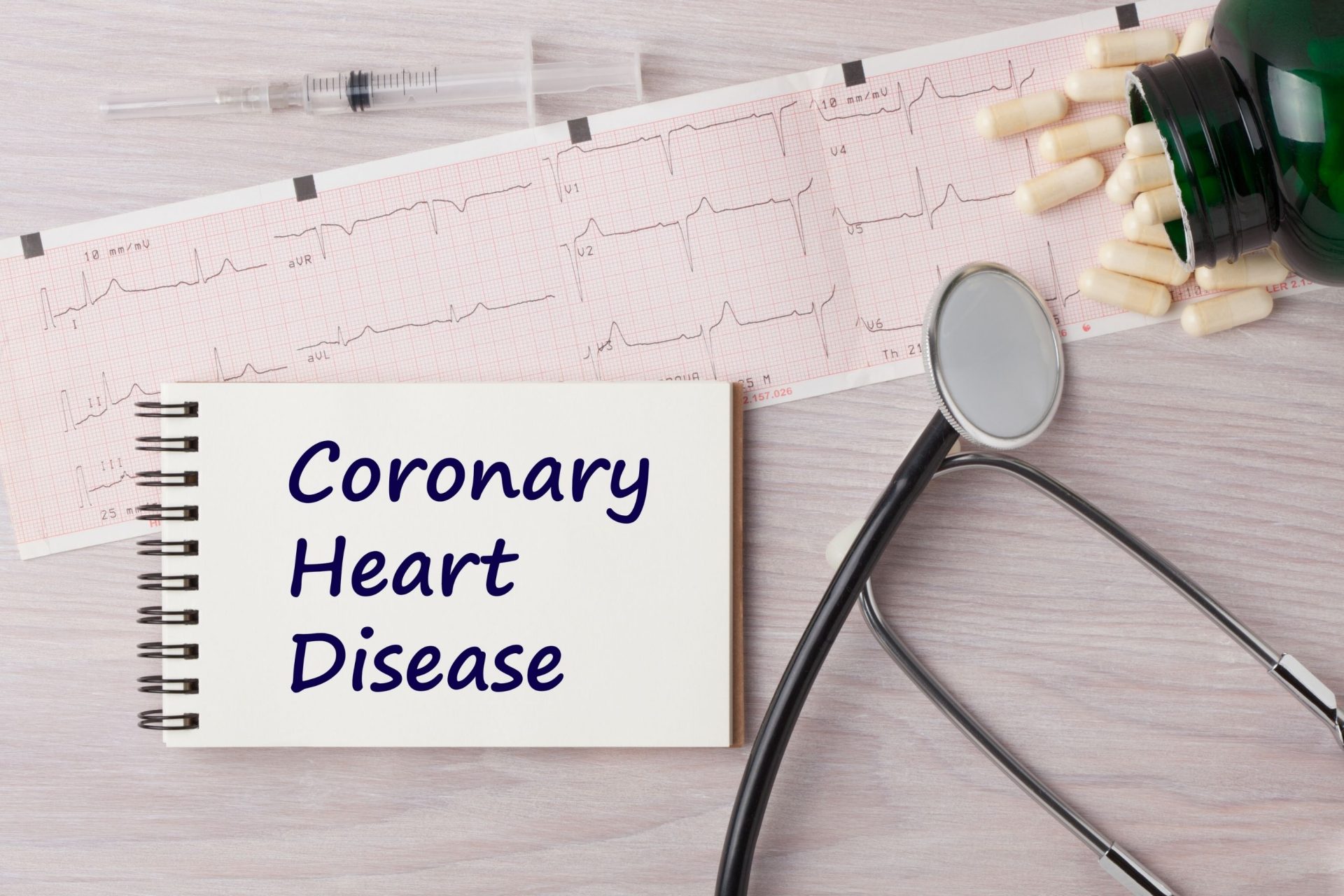
Coronary heart disease or coronary artery disease is the most common type of heart disease in many industrialised countries. It arises from the narrowing of the coronary arteries, resulting in reduced blood flow and thus oxygen supply to the heart muscle.
Causes
The narrowing of coronary arteries is typically caused by atherosclerosis. Other contributory factors include spasms in the coronary vessels, diabetes, high blood cholesterol, high blood pressure, adverse physical reactions to mental stress, and heavy smoking.
Symptoms
-
Angina or angina pectoris
Squeezing chest pain and/or discomfort that may radiate to the neck, jaw, abdomen, and upper left part of the body. The pain and/or discomfort signals that the heart is not receiving sufficient blood and oxygen.
However, angina may present itself in different ways. For instance, people with “silent” angina tend to feel no physical discomfort or pain.
Angina may also be stable or unstable. Stable angina refers to chest pain and/or discomfort, which occurs in a regular or predictable pattern (for instance, whenever the patient walks up a flight of stairs). They usually become better with rest.
In contrast, unstable angina is a discomfort that is more serious or occurs without warning. The patient may experience sudden sharp pain, even with little or no physical exertion. This may happen without having any symptoms of coronary heart disease previously.