|
Shopping Smart
Making my Shelf Stable Food Healthier

Heart Smart Eating requires you to shop smart, cook smart and eat smart. However, heart smart eating does not always require fresh ingredients. Use these healthier shelf stable food to create heart healthy meals.
Grocery Shopping Tips
Healthy Tips
-
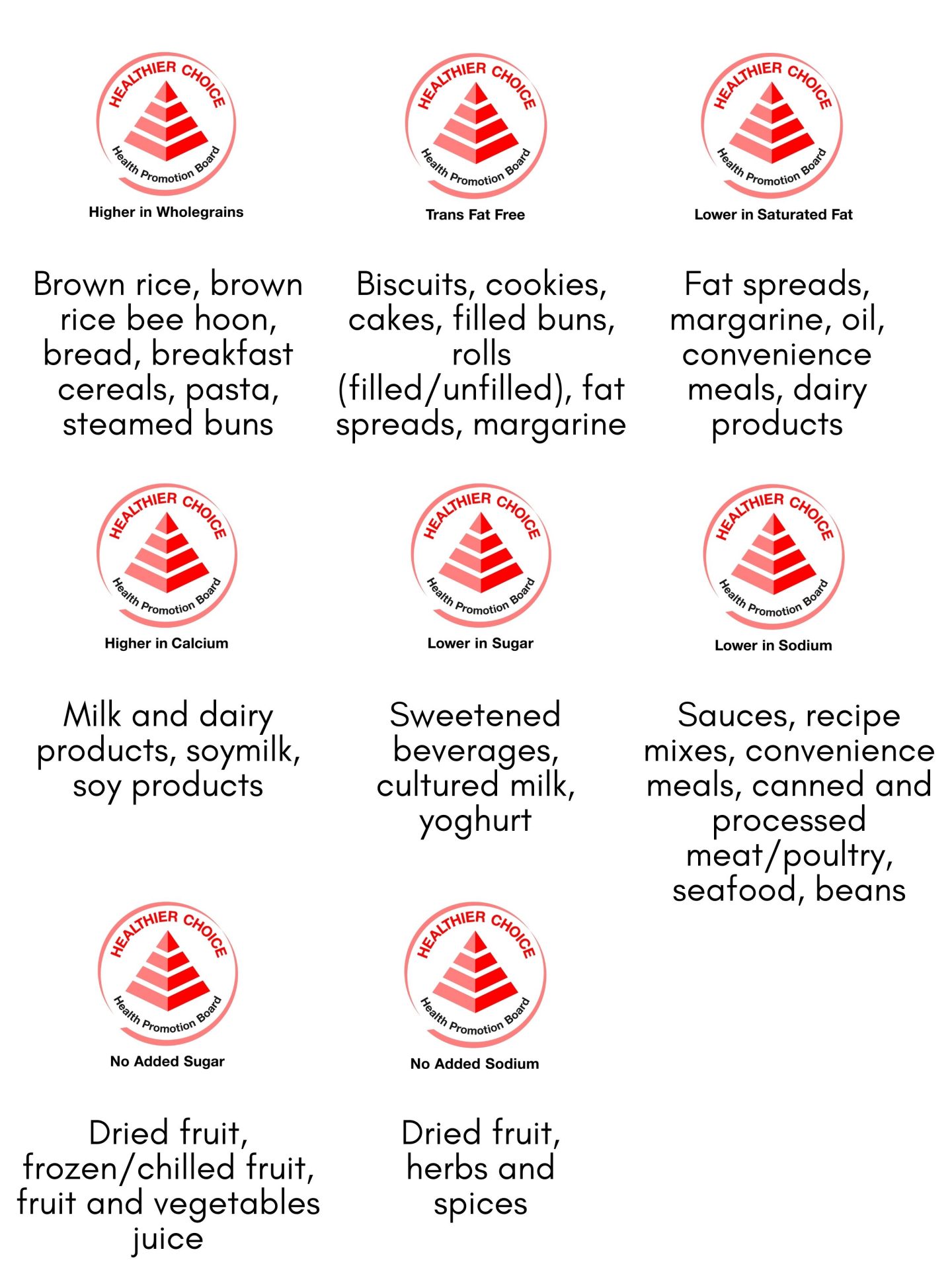
Look for the Healthier Choice Symbol
The Healthier Choice Symbol is awarded to products that meet the nutritional standards set by the Health Promotion Board. Products with the HCS symbol are lower in saturated fat, sodium and sugar. It also includes products higher in whole-grains, dietary fibre and calcium compared to similar products in the same food category. Products with the “Trans Fat free” logo contain no or negligible amount of trans fat (less than 0.5g per 100g of the product).
-
Look for the SHF logo
Products with the SHF logo are assessed by SHF’s Dietitian and Review Panel to be beneficial for heart health.

-
Read the Nutrition Information Panel to select products
-
Inspect the ingredient list
- Ingredients are listed in descending order by weight. The first ingredient listed is the highest amount, followed by the second, third, and so on.
- Products with hydrogenated or partially hydrogenated fats are likely high in saturated fat and trans fat.
- Some ingredients (such as fats and oils, salt and sugar) may be named differently on different ingredient lists. Check out the table below to identify them.
Fats and Oils Sugars Salt and Ingredients Containing Sodium Vegetable Oil/Fat Cane Sugar Salt (Partially) Hydrogenated Vegetable Oil/Fat White Sugar Rock Salt Butter Brown Sugar Sea Salt Margarine Raw Sugar Vegetable Salt Shortening Icing Sugar Chicken Powder Dripping Honey Soya Sauce Lard Molasses Oyster Sauce Tallow Corn Syrup Sodium Chloride Cream Golden Syrup Monosodium Glutamate (MSG) Sour Cream Maple Syrup Sodium Bicarbonate Coconut Oil/Milk Glucose Sodium Inosinate Sucrose Sodium Guanylate Fructose Baking Powder Maltose Baking Soda Lactose Sodium Nitrate 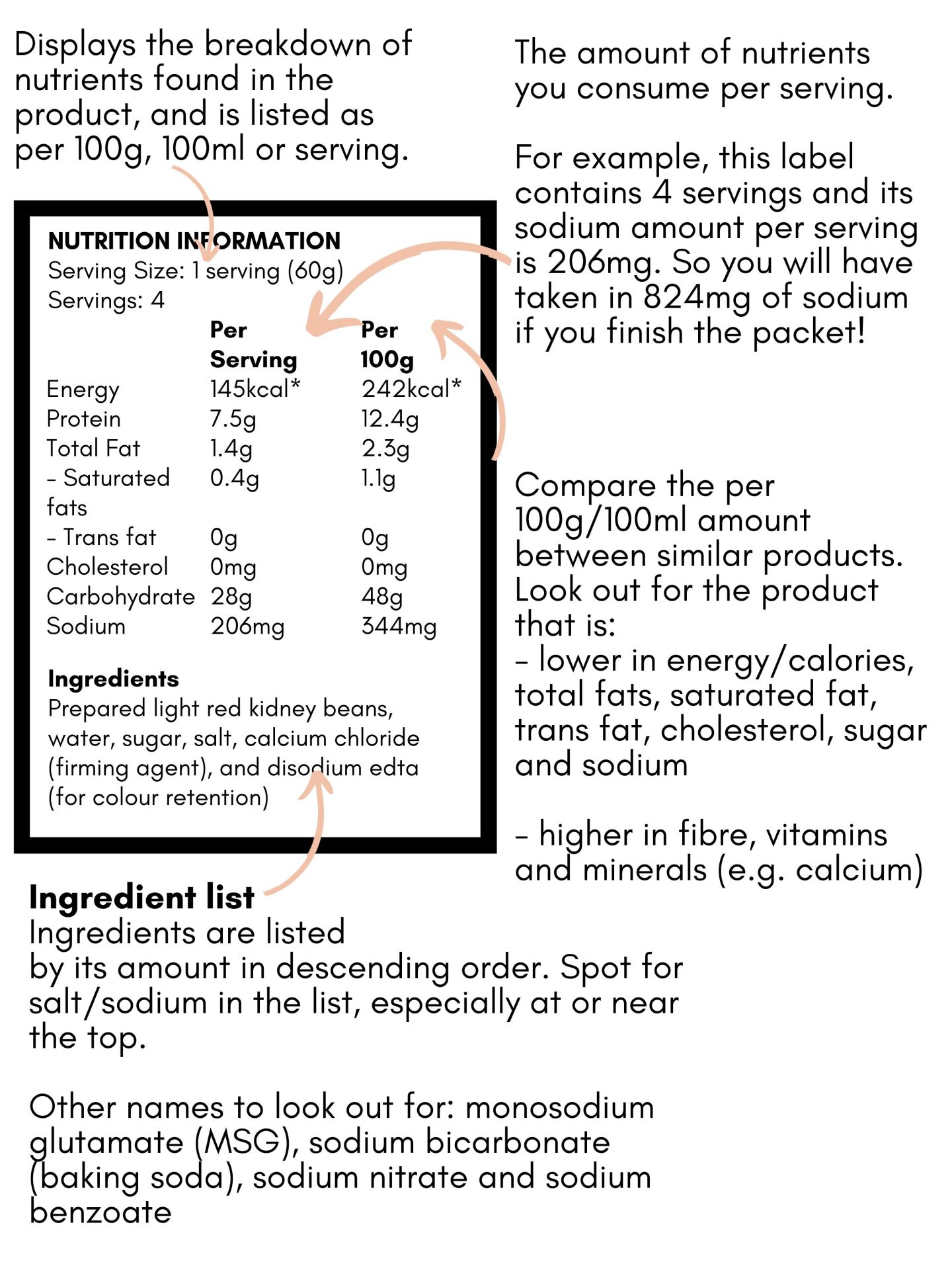
-
Take note of claims on the product’s packaging
- The packaging may display claims such as ‘low fat’, ‘high calcium’, ‘sugar-free’, ‘reduced salt’ etc. Understand what these claims mean. For example:
- High in dietary fibre: ≥6g fibre per 100g
- Low in fat: ≤3g fats per 100g
- Cholesterol Free – Plant-based foods: 0mg per 100g
– Other food products: <5mg per 100g - Low in Saturated Fat: ≤1.5g per 100g
Healthier Shelf Stable Food
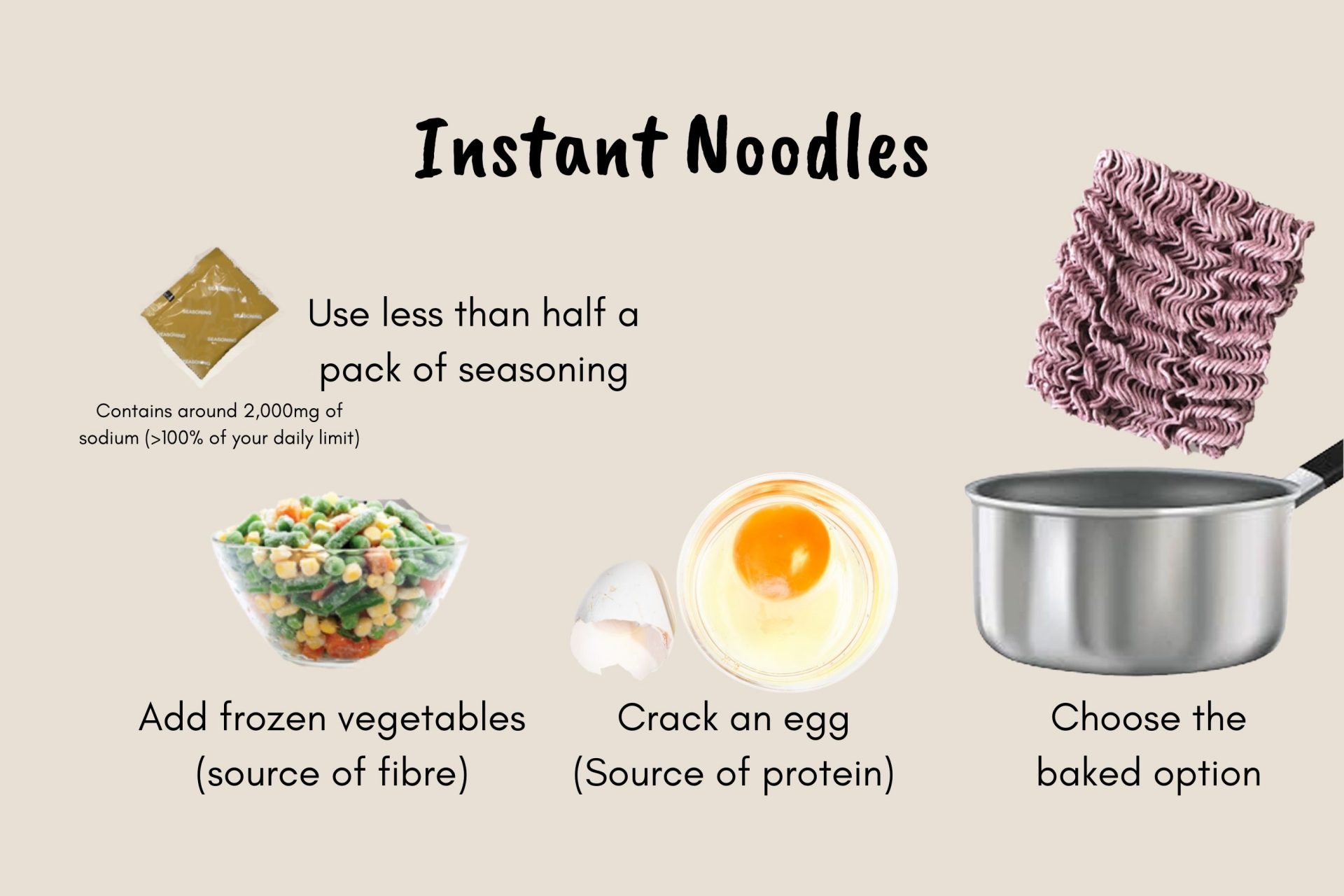
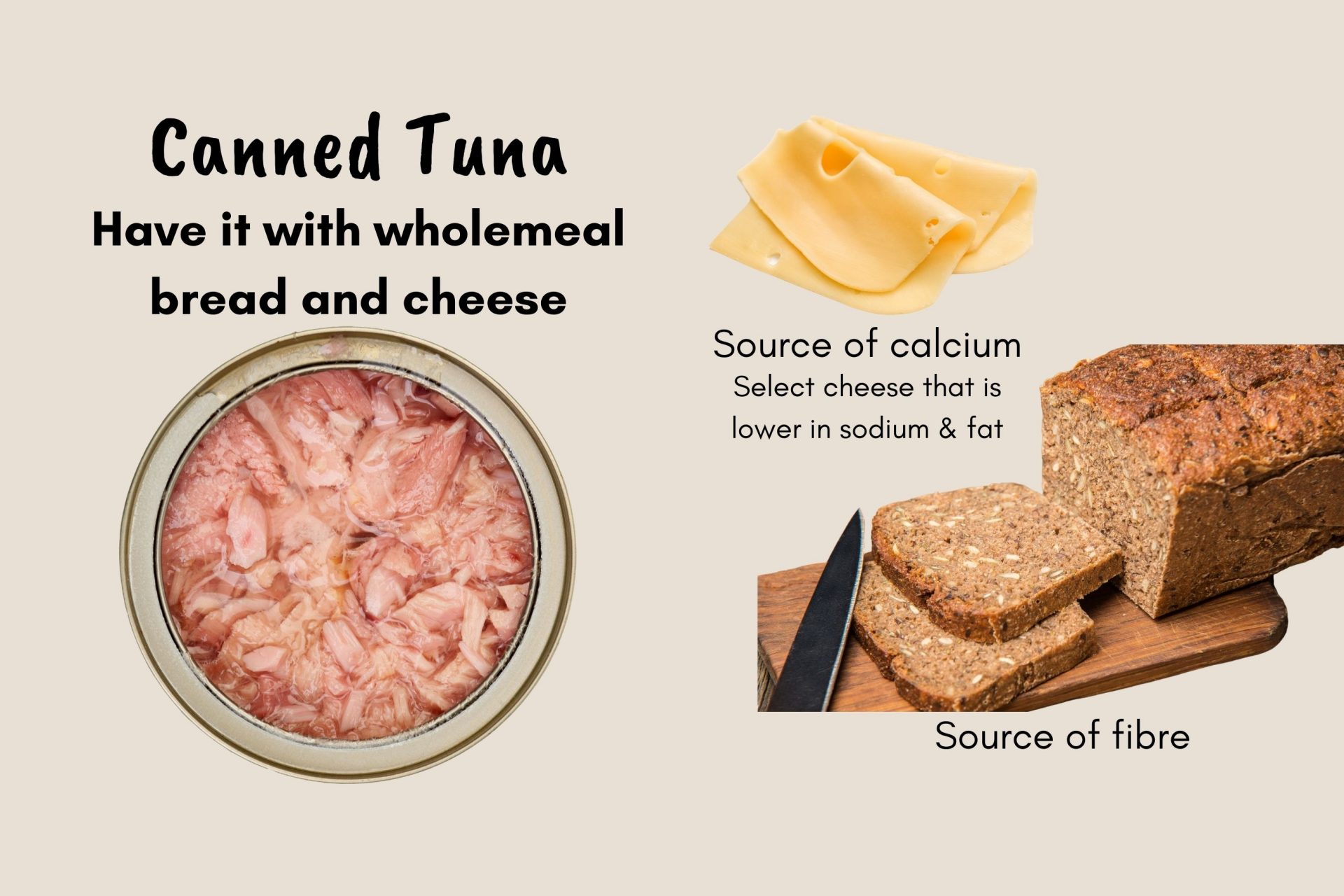
Eating smart does not always require fresh ingredients. Here are some recommended canned food and frozen products that can be kept for a longer period (or in a case of any emergency).
If options are limited (i.e. canned food is either soaked in brine/syrup), you can drain and/or discard the solution to reduce the sugar and salt content.
| Shelf Food | Benefit |
| Canned Tuna in Water or Olive Oil |
Source of:
|
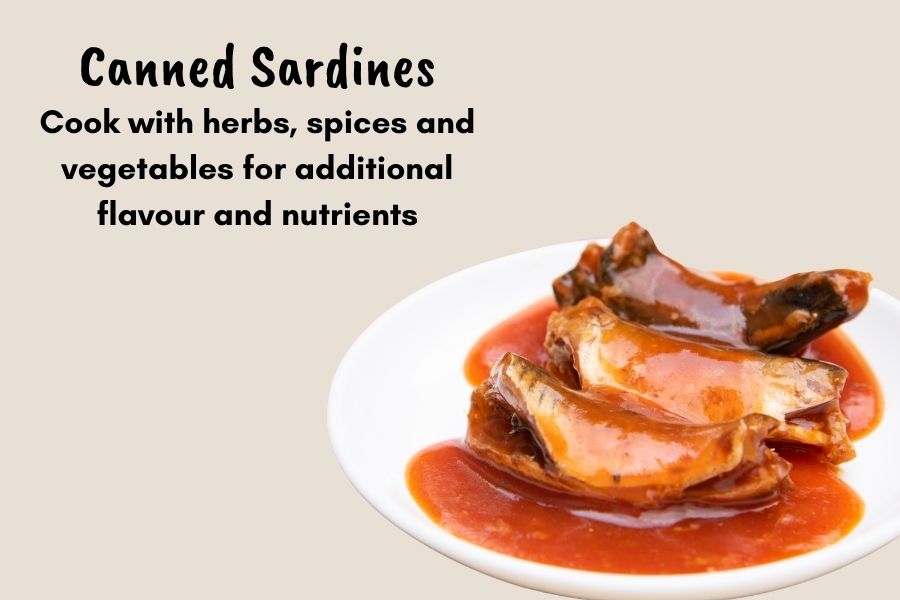
| Canned Sardine or Mackerel in Tomato Sauce |
Source of:
Tip: Opt for lower in sodium |
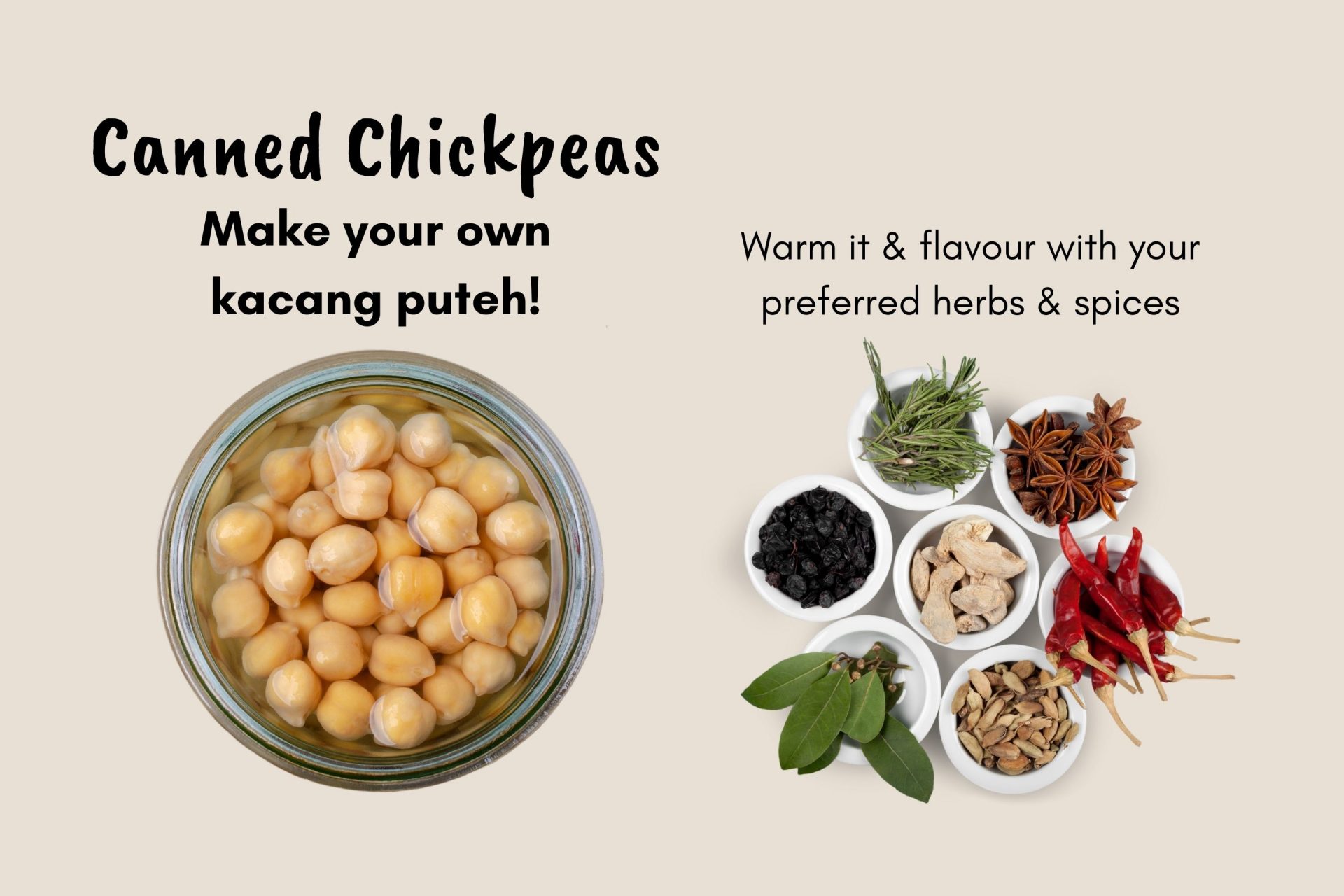
| Canned Beans in Water (e.g. Chickpeas or Black Beans) | Source of Protein
Lower in calories |
| Unsalted Baked Nuts |
Source of:
|
| Dried Herbs and Spices | Enhances the flavour of your meals without the addition of salt |
| Frozen Fish | Source of Protein (Choose fatty fish such as salmon for Omega-3)
Lowers the risk of heart disease |
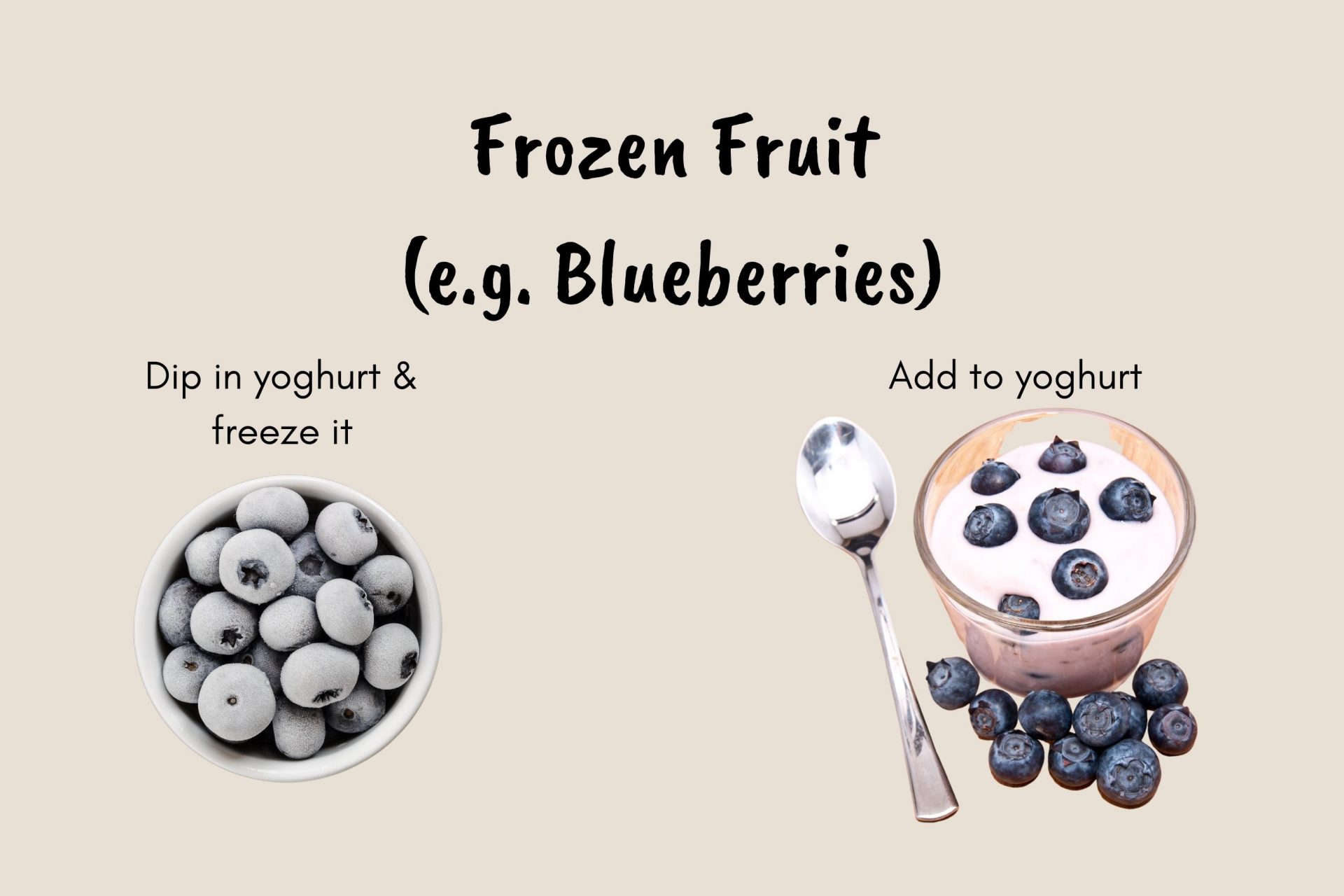
| Frozen Fruit and Vegetables | Source of fibre that promotes bowel movement and helps to lower blood cholesterol
Tip: Eat a rainbow to maximise nutrient intake and opt for no added sugar and sodium |
| Frozen Meat (Unmarinated, non-fried) | Source of protein
Tip: Choose lean cuts or remove skin and visible fat to reduce saturated fat and cholesterol intake |
| Low Fat Milk (Powdered/UHT) |
Source of:
|
| Oats (Unflavoured) | Complex carbohydrate that provides energy over a longer period of time
Source of fibre |
| Whole-Grains (e.g. Brown Rice/Quinoa) | Rich in nutrients (e.g. fibre, vitamins, minerals and various phytochemicals) that reduce the risk of chronic diseases (e.g. heart disease) while assisting with weight management |
Disclaimer: The content on this page is for information only, it is not meant to substitute direct medical advice from your doctor or clinician.