|
10 Programmes to Improve Out-of-Hospital Cardiac Arrest Survival
When out-of-hospital cardiac arrest incidents occur, the chances of survival decrease 7 to 10 per cent with each passing minute without chest compression and defibrillation. Immediate application of CPR and AED can increase one’s survival rates by as high as 50 per cent.
In 2012, Singapore implemented Dispatcher-assisted CPR where people who make the 995 calls are “dispatched” as first responders to start performing chest compression only-CPR on sudden cardiac arrest victims, by following instructions that the dispatch centre gives. This project saw an increase in bystander CPR rates, which resulted in a significant jump in the number of cardiac arrest survivors from 53 in 2012 to 73 in 2013.
Between 2014 to 2016, survivor rates further increase by twofold, following the introduction of the Registry for AED integration (R-AEDi), Dispatcher-Assisted first REsponder (DARE) Plus Programme and the myResponder app. In 2016, 163 people survived from sudden cardiac arrest, up from 83 in 2014.
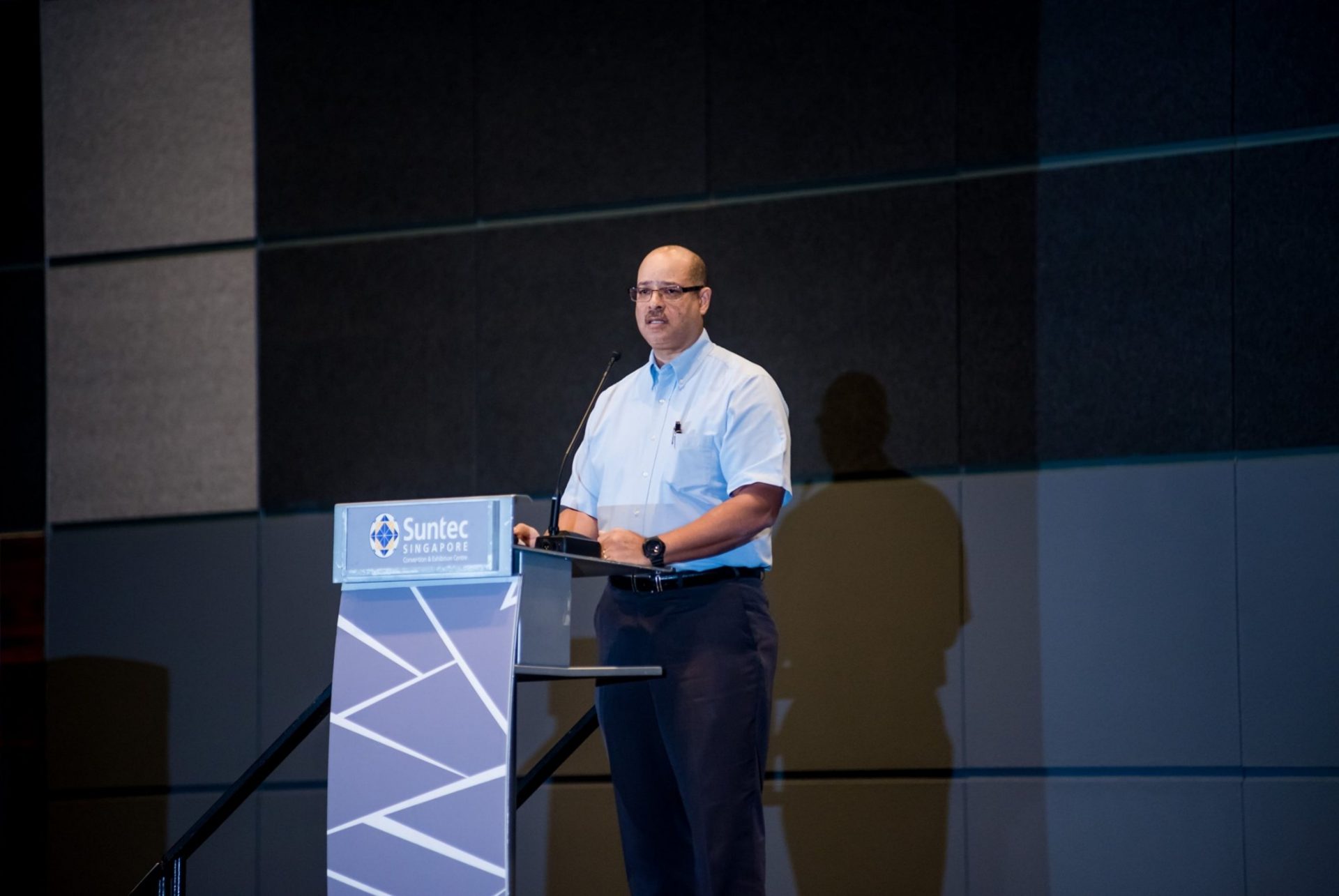
These encouraging statistics was shared by Mr Alexander White from the Unit of Prehospital Emergency Care (UPEC), at the National Life Saving Day 2020 Symposium organised by Singapore Heart Foundation, as part of his presentation on the ten steps to improve survival rates from sudden cardiac arrest incidents in Singapore.
The 10 steps include:
- Establish a cardiac registry
- Implement dispatcher-assisted CPR
- Implement High-performance CPR
- Implement rapid dispatch
- Voice-record all attempted resuscitation
- Begin AED programme for First Responders eg police, guards, other security personnel
- Establish a public access defibrillation programme
- Supplemental funding and support for training and quality improvement
- Institute hypothermia in all receiving hospitals
- Work towards Culture of Excellence
On improving the accessibility of AEDs in Singapore, Mr White raised an interesting point on a “Police AED programme”, which according to him, is not available in Singapore yet.
“AEDs are the main initial therapy for cardiac arrests and restoring the heart to normal rhythm, so we need to try and get more AEDs to the scene faster. Perhaps one way is to explore the potential benefit of a police AED programme,” said Mr White.
“My personal anecdotal experience over the years in Singapore is I’m starting to see more police cars patrolling the neighbourhoods, not just responding to calls. So maybe that’s another way to have AEDs close by you.”
He also encouraged continuous innovation and using technology to deliver high quality CPR.
Watch his presentation here:
His presentation slides are also available for download.