|
5 Healthier Ways to Enjoy Rice Dumplings
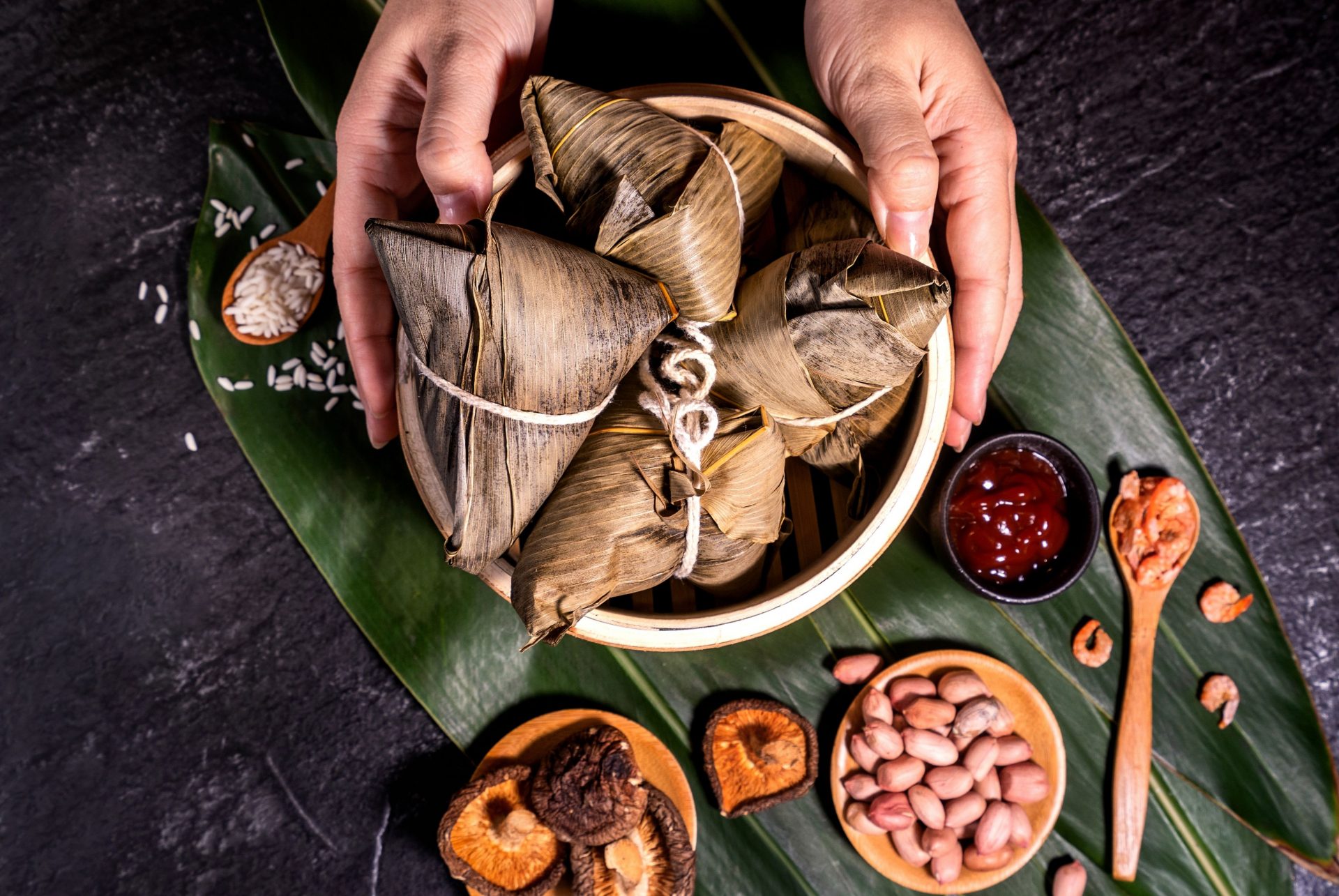
There is more than meets the eye when it comes to the humble sticky rice dumpling, or chang.
The origin of chang dates to 278 BC when locals threw lumps of rice to stop fish from feeding on the body of the patriotic poet and politician Qu Yuan, who drowned himself in despair over the invasion of his motherland. Today, the lumps of rice have evolved into changs that are stuffed with a variety of ingredients, eaten in celebration of the Dragon Boat Festival to commemorate Qu Yuan.
Yet, the ingredients held within the dumplings can make them less than enjoyable as some varieties are high in fat, sodium and sugar. Look out for these changs when you are prepping for the festivities and read on for 5 tips to make healthier rice dumplings.
| The Rice Dumpling | Nutrition Information | Shocking Facts |
| Bak chang | Energy: 387kcal Fat: 11.8g Sodium: 680mg |
Calories: equivalent to 3 cans of sweetened soda Sodium: equivalent to 7½ tbsp of salted butter |
| Vegetarian chang | Energy: 396kcal Fat: 7.9g Sodium: 896mg |
Calories: comparable to 1 bowl of wanton noodle soup Sodium: comparable to a large serving (150g) of fries. This is due to the use of mock meat in the dumpling. Mock meats, being processed, are higher in salt content than fresh meat, as enhancers, food flavourings and salt is added to imitate the taste of meat-based products. |
| Kee chang with 2 tablespoons of kaya | Energy: 264kcal Sugar: 19g Sodium: 178mg |
Calories: equivalent to about 6 seeds of durian Sugar: equivalent to about 1½ scoops of vanilla ice-cream. |
| Nonya chang | Energy: 315kcal Fat: 7.9g Sodium: 494mg |
Calories: same as 1½ slices of cheesecake Sodium: same as 5 pork satay sticks dipped in sauce |
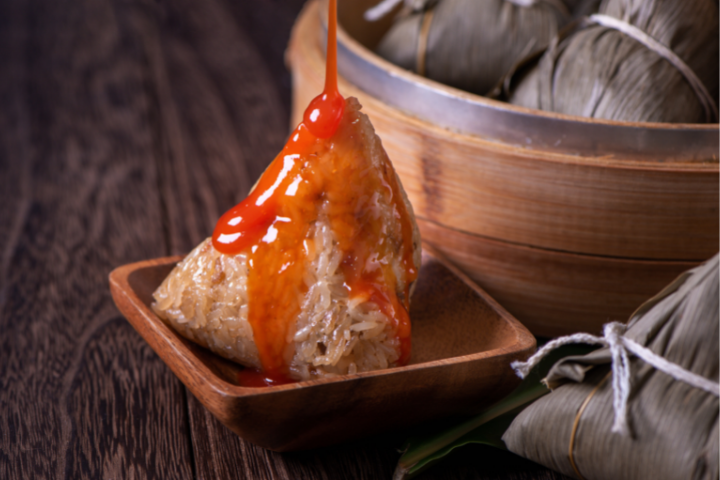 You may want to skip on the dipping sauces for healthier dumplings.
Prefer making your own changs? Here are 5 tips for healthier rice dumplings:
- Consider using unpolished glutinous rice instead of refined glutinous rice.
- Instead of using lap cheong (Chinese sausage) or other processed meats, use fresh meats with visible fats removed or lean meats.
- Instead of marinating with sauces or seasonings, use herbs and spices to bring out flavours. Marinate your meats with five-spice powder and white pepper, and use condiments such as paprika, curry, or garlic powder to flavourise your dumplings. If the use of sauces or seasonings cannot be avoided, consider using low sodium salt, sauces or seasonings.
- Consider replacing some portion of the glutinous rice with beans such as red beans, chickpeas, kidney beans to increase fibre content.
- Avoid or limit frying or seasoning glutinous rice with sauces as this would increase sodium content of the dumplings.
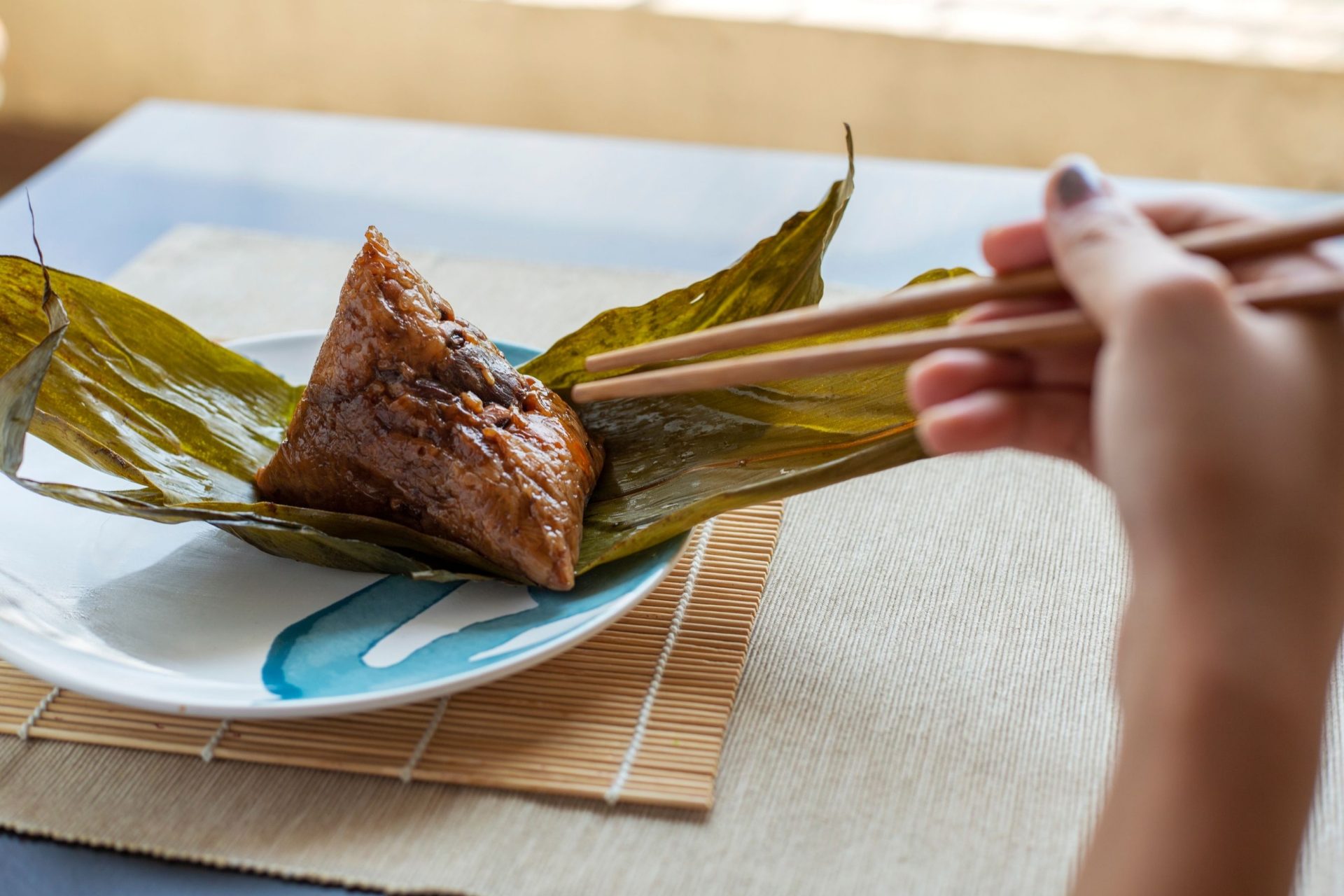
Bonus tip! These dumplings are also good at satiating hunger. Have it as part of a meal rather than a snack. You can also consider sharing the calories with your family. After all, rice dumplings taste better when shared.