|
6 Tips to Reduce Cholesterol

Cholesterol is a fatty, waxy substance that travels through our bloodstream as lipids. Cholesterol is vital for our body to produce bile acids in our liver, hormones and vitamin D.
While cholesterol is essential, not all cholesterol is good for the body. There are mainly two types of cholesterol – high-density lipoprotein (HDL) cholesterol (good cholesterol), and low-density lipoprotein (LDL) cholesterol (bad cholesterol). This article will reflect on how you could manage your cholesterol level.
Impact of LDL cholesterol on heart health
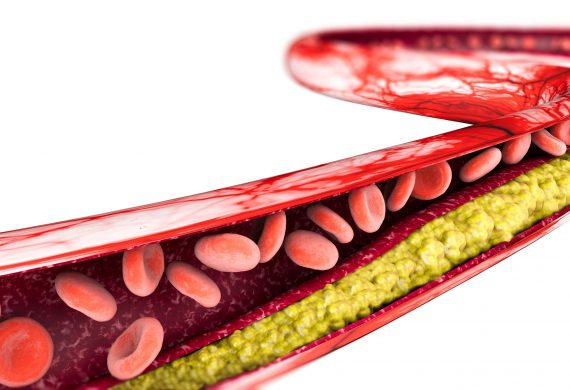
LDL cholesterol (bad cholesterol) is associated with its build-up in the inner walls of arteries. This causes atherosclerosis, which is the narrowing and hardening of blood vessels, and it could result in stroke, heart attacks and blood flow to your legs.
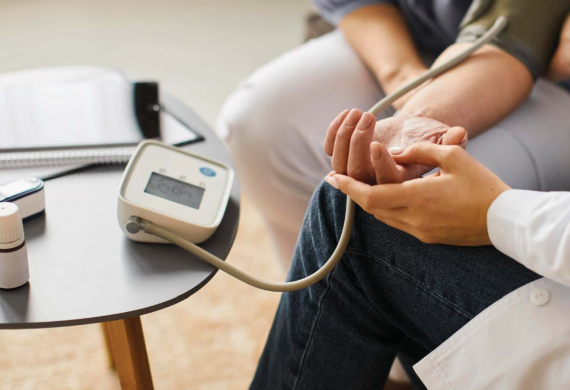
Because of the constriction of blood vessels, your heart would have to pump harder to maintain an efficient blood flow to other parts of the body; and this could bring on other risks like hypertension.
6 Lifestyle Changes to Lower Bad Cholesterol
80% of the cholesterol in our body is produced by the liver, and the rest comes from the food we eat (i.e., dietary cholesterol), such as meat, seafood, egg yolks and dairy products.
As high blood cholesterol comes with adverse cardiovascular risks, it is important to reduce the bad cholesterol in our body.
1. Heart-Healthy Diet
The most obvious way is to have a balanced mix of food to maximise nutrient intake, and to be mindful of portion control to prevent excessive weight gain. Start by incorporating SHF’s Heart Smart Eating Plate, which is ½ a plate of fruit and vegetables, ¼ plate of proteins and ¼ plate of whole-grains in your meal.

Cut back on food products high in saturated fat that raise the blood LDL cholesterol, e.g., fatty cuts of meat, coconut oil, animal skin and palm oil. Avoid foods high in trans fats, like deep-fried food, cookies and cakes, partially hydrogenated vegetable oil and processed meats like sausage and bacon.
Turn to food rich in unsaturated fat that favours blood HDL cholesterol, such as foods rich in unsaturated fat (monounsaturated and polyunsaturated fats), e.g., fatty fishes, nuts and seeds, avocado, vegetable oils (such as canola, olive, sunflower and corn); include foods rich in fibre, e.g., whole-grains, fruit, vegetables and legumes.
2. Exercise Regularly
Exercise could lower your LDL cholesterol levels while increasing your HDL cholesterol levels. It also helps you lose weight, and consequently, raise HDL cholesterol levels1.
The Health Promotion Board (HPB) recommends 150 – 300 minutes of moderate-intensity aerobics exercise and at least 2 days of muscle-strengthening activity every week.
You could try some exercises here.
3. Quit Smoking
Smoking not only puts you at a major risk of heart disease, but it could also cause high blood cholesterol. It could damage your artery walls, giving rise to cholesterol build-up in the damaged areas2.
While it may not be easy to quit smoking overnight, there are ways and resources to help with the process. You could seek help from medical professionals, who may prescribe medication to help reduce the brain’s reliance on nicotine, a substance found in cigarettes.
Support groups are also an excellent way to help you cope better, especially when there are people who actively try to help and achieve the same goal3.
4. Moderate Alcohol Consumption
Often there are eye-catching headlines advocating that small amounts of alcohol consumption could keep cholesterol levels pertinent. However, this does not mean that it is satisfactory to be drinking alcohol. When consumed in high amounts, alcohol could have harmful effects, including the onset of heart diseases.
Alcohol when consumed, is broken down into cholesterol and triglycerides. Triglycerides is a fat that is found in your blood. When too much of this fat builds up, it could clog your liver and cause fatty liver disease4. When your liver does not function, it will not remove cholesterol as effectively, and in turn, it could lead to an excess of LDL cholesterol.
5. Medications for Cholesterol Management
If you have made regular dietary and lifestyle changes, but do not see a lowering in your cholesterol levels, your doctor may prescribe medication to lower the cholesterol, based on your medical history. Some common medication include:
Statins
This is the most commonly prescribed medication that works to lower LDL cholesterol; it blocks your liver from making cholesterol.
Statins improve the function of the lining of your blood vessels and lower the chance of a plaque, or fatty deposit, breaking away and causing damage. It also helps to reduce the chance of cardiovascular disease.
PCSK9 inhibitors
PCSK9 inhibitors are injectables that directly lower cholesterol in your liver. These are usually prescribed for people who cannot tolerate statins or when they do not respond well.
Fibrates
Fibric acid derivatives, or fibrates, help to lower triglyceride levels by bringing down blood lipids. It could raise good cholesterol while lowering bad cholesterol. People who have kidney or liver disease should seek the advice of a doctor before going on this drug5.
Foods That Lower Cholesterol
Certain foods could also help to lower your cholesterol. These are:
Oily Fishes
Omega-3 fatty acids found in oily fishes, such as salmon, tuna and sardines, can protect your heart and reduce the risk of heart disease.
Oats and Barley
Oats and Barley are high in beta-glucan, a type of soluble fibre, which actively helps to transport bile acid rich in cholesterol, out of the body.
Nuts
High in good fats, polyunsaturated fats and monounsaturated fats, nuts directly reduce LDL cholesterol and raise HDL cholesterol. Nuts also have added heart-healthy benefits in that they maintain healthy blood pressure and blood vessels. Have a handful of unsalted nuts a day to reap the benefits.
Fruit and Vegetables
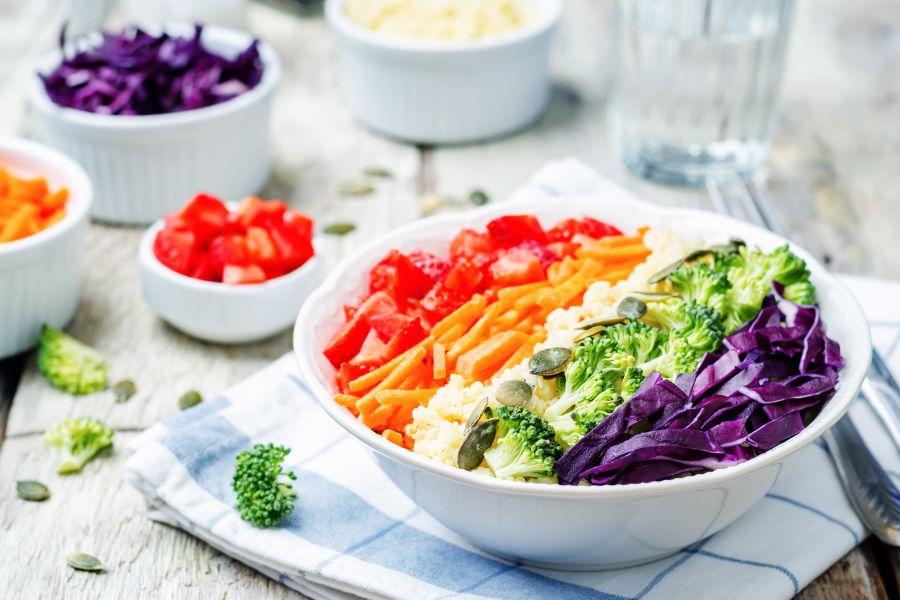
High in soluble fiber, fruit and vegetables prevent the absorption of cholesterol and thus keep your cholesterol at an adequate level. With a variety of colours that represent different vitamins, phytochemicals and antioxidants, a rainbow of 2 servings of fruit and 2 servings and vegetables every day could provide you an array of nutrients and goodness of fibre.
Soy
Food made from soybeans, such as tofu and soymilk, has been proven to reduce LDL cholesterol by 5% to 6%6.
Legumes
Legumes are generally high in fibre and proteins, and have health benefits such as lower total cholesterol levels and LDL cholesterol.
Whole-grains
Whole-grains, such as brown rice, quinoa and whole wheat bread, have improved satiety; they boost your digestive health and lower the risk of heart disease. They also have more fibre compared to refined grains, and this fibre helps to lower your cholesterol.
Plant Sterols
Plant sterols – found in orange juice, yoghurt, canola oil and extra-virgin olive oil – and stanols could also lower LDL cholesterol in your blood as they block the intestine from absorbing cholesterol.
Conclusion
Managing cholesterol is important for your heart health. The obstruction of blood vessels and arteries could cause your heart to work harder than necessary, and cause cardiovascular disease. If you are unsure of your cholesterol levels, go for a blood cholesterol test.
If you are at risk or already have high blood cholesterol, it is not too late to start having a healthy lifestyle. This means you should increase your physical activity. Expand your intake of good fats (i.e., unsaturated fats), while reducing consumption of unhealthy fats (i.e., saturated and trans fats) and alcohol. You could then lower your cholesterol levels and maintain a healthy body weight.
References
- Cleveland Clinic (2021, November 3). Does Exercise Lower Cholesterol? Clevelandclinic. Retrieved November 3, 2023, from https://health.clevelandclinic.org/does-exercise-lower-cholesterol/
- Heart UK (n.d.). Quit Smoking. Retrieved November 3, 2023, from https://www.heartuk.org.uk/healthy-living/quit-smoking
- Holland, K. (2022, January 28). Can Smoking Affect Your Cholesterol? Retrieved November 3, 2023, from https://www.healthline.com/health/smoking-and-cholesterol#resources-for-quitting
- Heart UK (n.d.). Alcohol. Heart UK. Retrieved November 3, 2023, from https://www.heartuk.org.uk/low-cholesterol-foods/alcohol
- Cleveland Clinic (2023, September 22). Antihyperlipidemic. Clevelandclinic. Retrieved November 3, 2023, from https://my.clevelandclinic.org/health/treatments/antihyperlipidemic
- Harvard Medical School (2021, August 13). 11 foods that lower cholesterol. Health.Harvard. Retrieved November 3, 2023, from https://www.health.harvard.edu/heart-health/11-foods-that-lower-cholesterol