|
Blood Pressure Monitors in Singapore

Regular blood pressure monitoring is essential to detect high blood pressure. Persistent high blood pressure can cause hypertension, a leading risk factor for heart disease. Hypertension is a ‘silent killer’ as it does not present any symptoms until significant damage has been done to the heart and arteries. Hence, it is important to swiftly detect high blood pressure and get it under control through healthy lifestyle habits to manage it.
Choosing and using the right blood pressure monitor correctly provides accurate results. With many blood pressure monitor models and brands to choose from, do you know which blood pressure monitor suits you best?
What is a Blood Pressure Monitor?
Blood pressure refers to the force of the blood pushing against the walls of the arteries when the heart pumps. A blood pressure monitor measures the movement of blood pressure in the arteries as the heart pumps.
Blood pressure is measured in units of millimetres of mercury (mmHg).
The BP Monitor device measures two different blood pressures in your body – systolic (SYS) and diastolic (DIA). They are usually presented in a ratio of systolic to diastolic (e.g., 120/80mmHg, meaning 120 over 80).
- Systolic blood pressure is exerted against artery walls when the heart beats, i.e., when the heart muscle contracts and pumps oxygen-rich blood into the blood vessels. It also measures the pressure when the heart beats.
- Diastolic blood pressure is exerted against the artery walls when the heart muscle relaxes. Diastolic pressure is always lower than systolic pressure. It measures the pressure between heartbeats.
Your blood pressure varies throughout the day. It is lowest when you’re sleeping and possibly at its highest when you are physically active. A normal blood pressure reading should be less than 130/85mmHg.
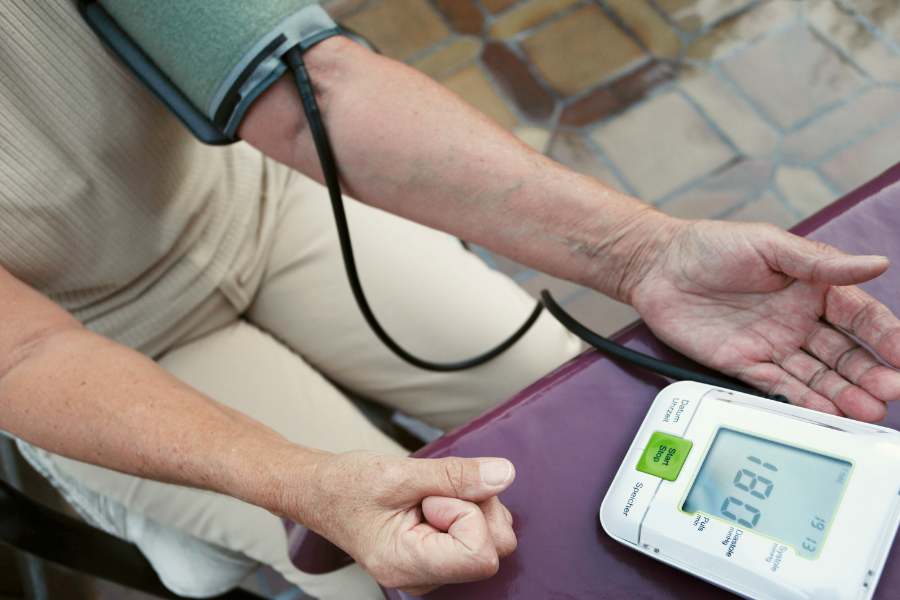
Your blood pressure keeps blood circulating in your body. When blood pressure measurement is raised, it means that your blood is pumping with more force than normal through your arteries.
Self-monitoring your blood pressure can help with:
- Early diagnosis: Monitoring blood pressure at home is especially important for those at risk of hypertension or having a condition that could contribute to high blood pressure, such as diabetes or kidney problems. High blood pressure can be detected through regular blood pressure monitoring. Studies suggest that a home blood pressure monitor has excellent diagnostic accuracy for irregular heartbeats detection, such as atrial fibrillation
- Take charge of your healthcare and medical costs: Taking control of our own well-being can possibly lead to optimal health and independence in the future. Knowing the readings on the blood pressure monitor can give you a sense of control over your health and potentially reduce your medical costs, as it motivates you to better control your blood pressure through a well-balanced diet, regular exercise, and a healthier lifestyle.
Common types of blood pressure monitor in Singapore
There are two basic types of blood pressure monitors that use an arm cuff and are available for home use in Singapore. They are aneroid monitors or analog, and digital blood pressure monitors. Other options such as wrist blood pressure monitors and smartwatches are available in the market to monitor and track blood pressure. However, they are not recommended as they yield less reliable readings.
No matter what type of blood pressure monitor you choose, proper and accurate use requires practice. You may consult a doctor or pharmacist to make sure you get a blood pressure monitor that is best for you.
Aneroid Blood Pressure Monitors
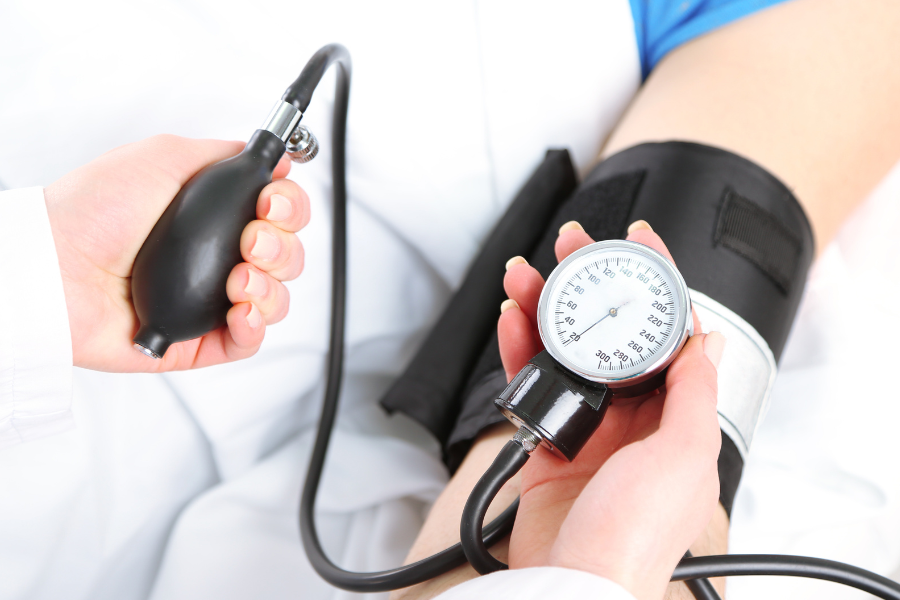
An aneroid monitor must be operated manually to measure blood pressure. The aneroid monitor has a rubber bulb, an inflatable cuff and an aneroid meter. When you inflate the cuff by pumping the rubber bulb, the aneroid meter will display your readings.
Aneroid blood pressure monitors are portable and compact.
In addition, aneroid blood pressure monitors cost less, are compact and contain a built-in stethoscope.
However, they may be too complex to use. The lack of a tightener or a hard rubber bulb makes it less compact and user-friendly. These features may affect the accuracy of your blood pressure readings as well.
How you use it in detail
- Place the cuff around your upper arm.
- To ensure that the cuff is sufficiently tight, slip two fingertips under the edge of the cuff. You should not be able to slip more than two fingertips.
- Squeeze the rubber bulb with your opposite hand to inflate it.
- Look at the pointer to see your measurements.
Digital Blood Pressure Monitors
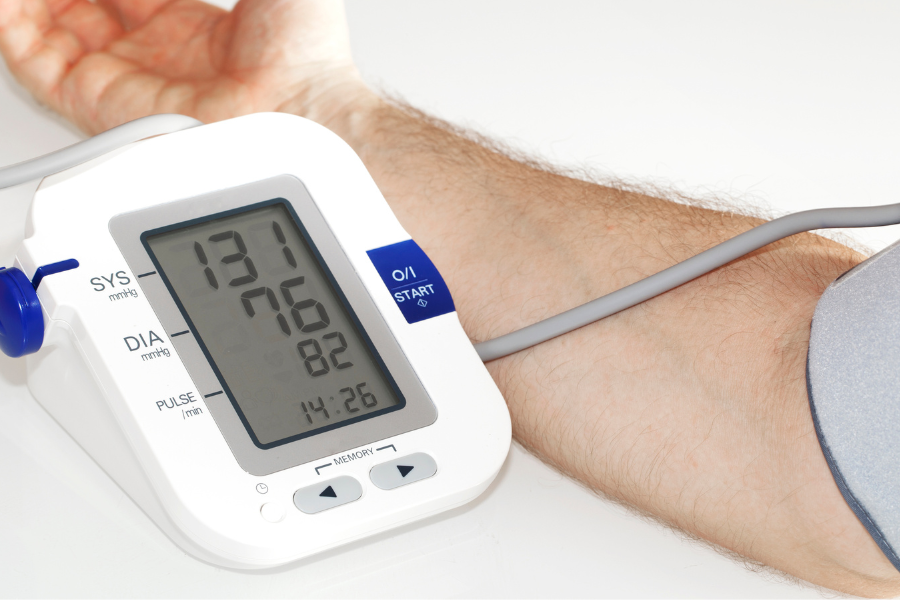
Similar to the aneroid blood pressure monitor, the cuffs of digital blood pressure monitors are also placed on the upper arm but are easier to use. Because they are digital, these monitors present fewer errors than aneroid monitoring blood pressure monitors and are easier for the users to read as the readings appear clearly on the screen.
Digital blood pressure monitors may come with a variety of features. There are digital blood pressure monitors that come with a stethoscope and a gauge. Other units may have an error indicator.
Some digital blood pressure monitors even have colour indicators to show users where a blood pressure reading falls in comparison to normal ranges.
Some monitors can store readings, show average readings, track them and even display several readings taken within a specific period. They can even give you a printed copy of your readings, or upload your results onto a mobile device, app or computer.
However, digital blood pressure monitors are more expensive than aneroid blood pressure monitors and require batteries to function. Moving the device from your body and having an irregular heartbeat detection may affect its accuracy and readings as well.
Wrist blood pressure monitors are smaller, more compact, digital monitor that works by measuring your blood flow in the arteries at your wrist.
It is crucial for these monitors to be worn on the skin and positioned correctly at the wrist for accurate measurement. Wrist blood pressure monitors are less accurate compared to aneroid and digital monitors that measure with a cuff at the arm, and they tend to give higher measurements.
Moreover, blood pressure can be measured differently in different parts of the body, due to the blood flow in different areas of the body. For example, the arteries at the wrist are much thinner than the arteries present at the biceps. Hence, the readings in these two areas differ.
How to Use a Digital Blood Pressure Monitor
- Place the cuff around your upper arm
- Make sure the tubing falls over the front centre of your arm so the sensor can detect it
- Make sure that the cuff is tight enough to allow only two fingers to slip through the top edge of the cuff
- Press the start button when you are ready. Remain still and quiet as the device measures your blood pressure
- The cuff will inflate and deflate automatically to take your blood pressure measurement
Wrist Blood Pressure Monitors
Wrist blood pressure monitors are smaller, more compact, digital monitors that work by measuring your blood flow in the arteries of your wrist.
It is crucial for these monitors to be worn on the skin and positioned correctly at the wrist for accurate measurement. Wrist blood pressure monitors are less accurate compared to aneroid and digital monitors that measure with a cuff at the arm, and they tend to give higher measurements.
Moreover, blood pressure can be gauged differently on different parts of the body, due to the blood flow in different areas of the body. For example, the arteries at the wrist are much thinner than the arteries present at the biceps. Hence, these two areas will produce readings that differ from each other.
Where to Buy Blood Pressure Monitors in Singapore

Contrary to popular advice and belief, you do not need a doctor’s note or prescription to purchase a blood pressure monitor.
Blood pressure monitors are sold over the counter and are widely available in Singapore, at places such as the pharmacy, clinics, hospitals and major supermarkets.
Online stores are excellent places to compare and buy blood pressure monitors, as they can be delivered directly to your doorstep.
How to Choose the Best Blood Pressure Monitor
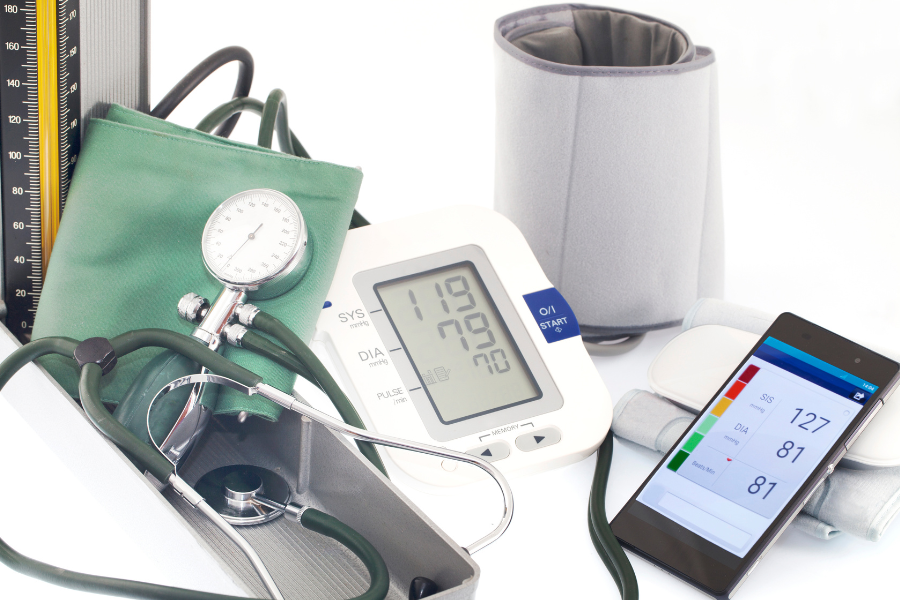
When narrowing your choice to get one at home, make sure to consider the model, size, price, ease of use and features you need.
Size
The size of the cuff is an important feature to look for when choosing a blood pressure monitor device. Ensure the blood pressure monitor device you choose has a cuff that fits the circumference of your upper arm.
A cuff that does not fit properly on your upper arm can lead to inaccurate measurements and make your upper arm feel incredibly tight during the measurement process.
Price
Home blood pressure monitors vary in price. They could range from less than $20 for an aneroid monitor to as high as $300 for a digital blood pressure monitor from popular brands. Shop around and compare prices wisely as pricey units may not be the best or most accurate.
Always make sure to purchase from a reliable source and read through the description of the blood pressure monitor so you know what to expect.
Ease of use
A user-friendly interface with large numbers and big buttons makes it easy for the users to navigate, operate and understand the results of the blood pressure monitor. The display (brightness, text size, and colours) on the device or monitor should be clear and easy for the user to read.
Additional features
When selecting a blood pressure monitor, users should look for features such as an irregular heartbeat detector, a risk-category indicator, multiple user memories, multiple cuffs, memory and data download capability, and a data-averaging function.
Some monitors may also have Bluetooth connectivity, and a corresponding app and allow for your readings to be cloud stored.
Other factors to consider
Depending on your lifestyle, you could consider the best blood pressure monitor that’s portable, battery life, and the type of battery it runs on to make a wise decision.
- Do not consume alcohol or tobacco products 1 hour before the measurement
- Make sure to empty your bladder before measuring your blood pressure
How to measure your blood pressure at home
Measuring blood pressure by yourself can be as accurate as blood pressure measurements taken at the doctor’s office if you follow these steps:
- Do not consume alcohol or tobacco products 1 hour before the process
- Make sure to empty your bladder before measuring your blood pressure
- Do not consume any foods/drinks 30 minutes before measuring your blood pressure
- Go to the bathroom before taking your readings.
- Sit comfortably, with your legs uncrossed, feet flat on the floor, back supported and arm rested at heart level.
- Do not engage in vigorous activity
- It is preferred to have the cuff wrapped around the bare skin of your upper arm for more accurate measurements.
The Singapore Heart Foundation recommends at-home blood pressure monitoring for all with high blood pressure and other chronic diseases such as high blood cholesterol, diabetes, and post-stroke. It’s helpful to keep a diary of your blood pressure readings to help healthcare professionals determine whether treatments are working.
However, self-measured blood pressure at home is not a replacement for regular check-ups and visits to your doctor. Do not stop your medication without consulting your doctor if you have been prescribed medication to lower your blood pressure.
Conclusion
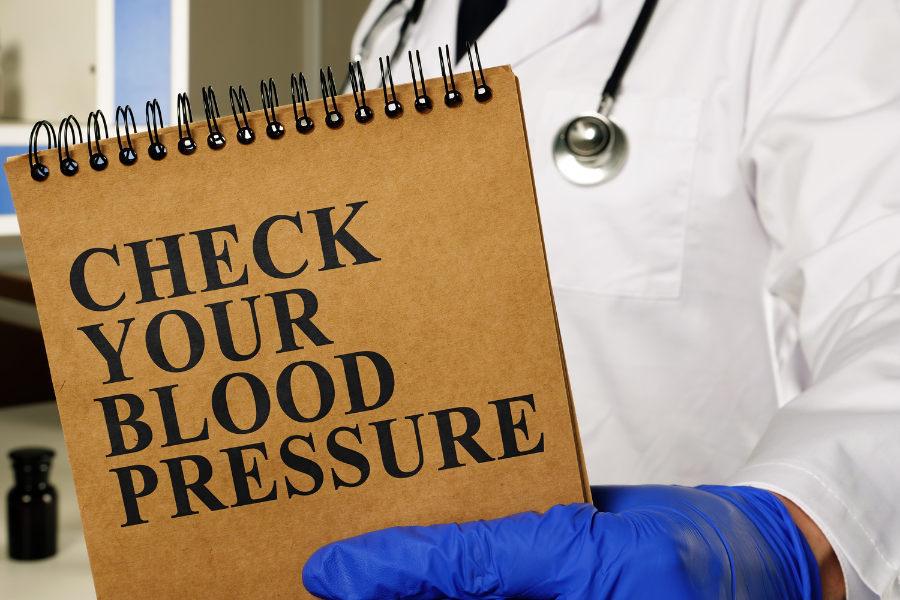
The use of a blood pressure monitor is just a tool to monitor your blood pressure. It is not a replacement for regular check-ups and visits to your doctor. Do not stop your medication without consulting your doctor if you have been prescribed medication to lower your blood pressure.
Checking your blood pressure at home might help you feel more engaged and therefore motivated to improve your health.
You must understand the fact that home blood pressure monitoring cannot be used to decide whether treatment is indicated. A professional medical review is required for any health condition.
Go for regular medical reviews and consult a doctor if you observe changes in your blood pressure, or suspect that you may have hypertension.