|
Cardiac Rehab Puts More Patients on the Road to Recovery
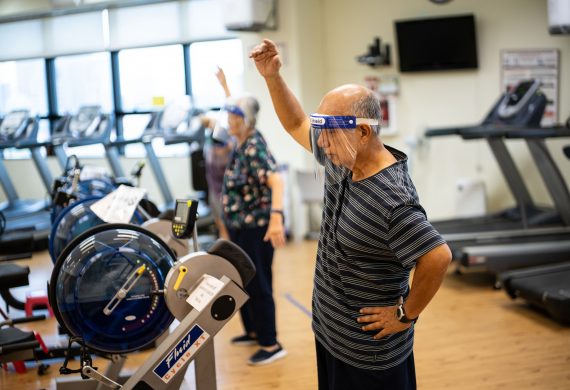
Cardiac rehabilitation (CR) reduces the risk of a future cardiac event by stabilising, slowing, or even reversing the progression of cardiovascular disease (CVD). Patients with other cardiovascular diseases, such as valve repair and heart failure can also benefit from a CR programme that includes exercise rehabilitation.
Clinical research has shown cardiac rehabilitation reduces mortality by over 50% compared with those patients who do not participate. Participation in CR can also reduce the likelihood of hospital readmissions (for all causes) by 25% and the use of medical resources.
So, why aren’t patients and their physicians leaping at this life-saving/life-changing opportunity? Reasons for low participation in CR include the lack of a referral or a strong endorsement from the patient’s physician; limited or no health insurance coverage; conflicts with work or home responsibilities; and the lack of programme availability and access.
New delivery models for health care offer opportunities to address patient barriers and lower costs to close the treatment gap between the benefits obtained from CR and participation in these programmes.
What is Cardiac Rehabilitation?
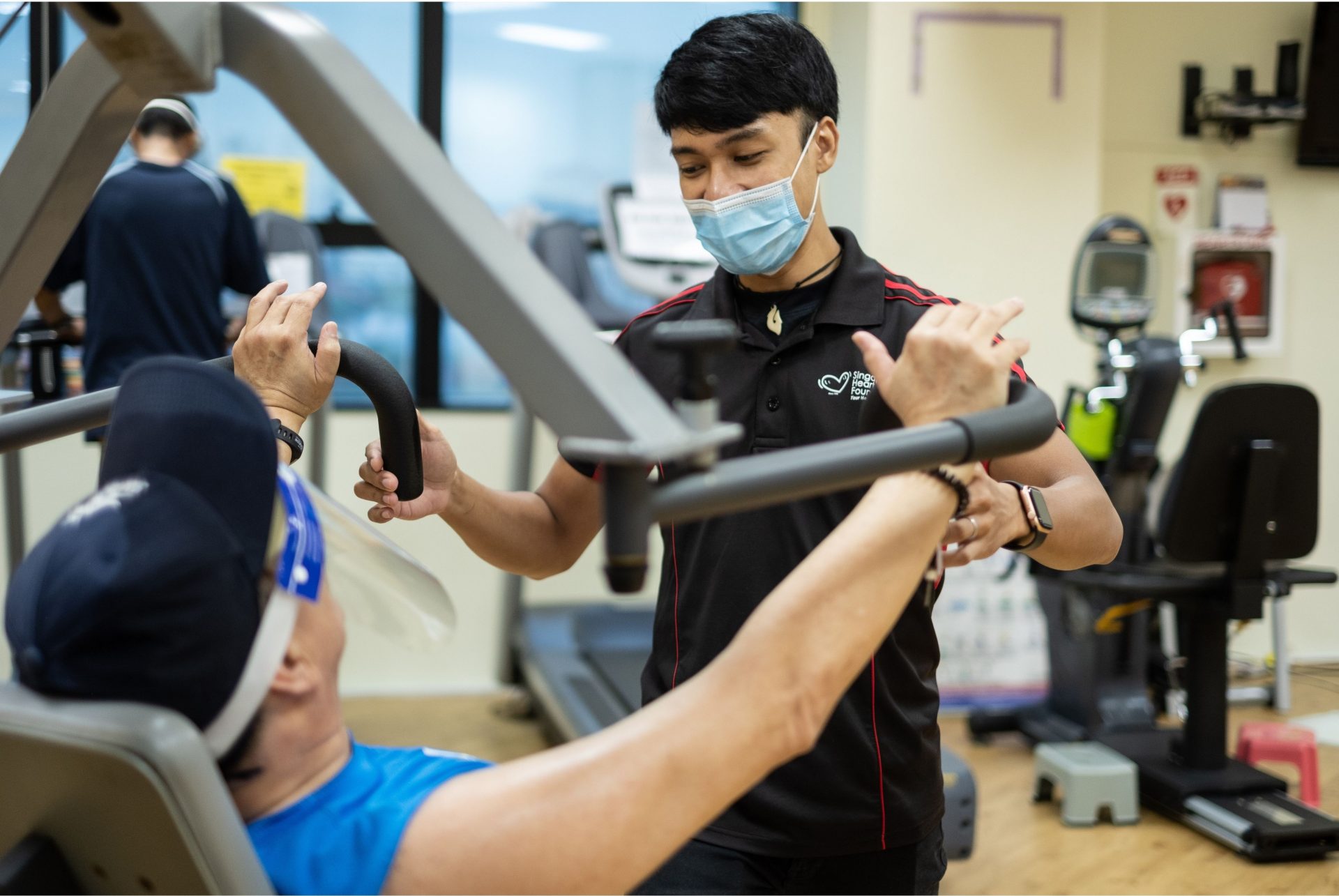
Cardiac rehabilitation is a medically supervised programme consisting of exercise training, education on heart-healthy living, counselling to reduce stress, and helping patients return to an active lifestyle and recover more quickly. CR offers a multifaceted and highly individualised approach to optimise the overall physical, mental, and social functioning of people with heart-related problems. It is recommended for both the inpatient and outpatient settings for the following conditions:
- Recent myocardial infarction (heart attack)
- Percutaneous coronary intervention (PCI)
- Coronary artery bypass grafting (CABG)
- Chronic stable angina
- Stable, chronic heart failure
- Cardiac transplantation
- Valvular heart disease
Health Benefits
Cardiac rehabilitation improves the health and recovery of those who suffer from CVD. The benefits of CR include:
- Decreased mortality at up to 5 years post participation.
- Reduction in 10 year all-cause mortality following CABG.
- Reduced symptoms (angina, dyspnea, fatigue).
- Reduction in nonfatal recurrent myocardial infarction over median follow-up of 12 months.
- Improved adherence with preventive medication.
- Increased exercise performance.
- Improved health factors like lipids and blood pressure.
- Increased knowledge about cardiac disease and its management.
- Enhanced ability to perform daily living activities.
- Improved health-related quality of life.
- Improved psychosocial symptoms.
- Reduced hospitalisations and use of medical resources.
- Increased ability to return to work or engage in leisure activities.
Financial Benefits
Better health outcomes translate into reduced hospitalisations and use of medical resources. A study presented at the Canadian Cardiovascular Congress found that CR resulted in a 31% reduction in hospital readmissions and a 26% drop in cardiovascular mortality – reducing costs associated with hospital admissions from heart attack by $8.5 million a year for a 7% return on investment.
The authors projected that if physician costs were included, the benefits would have been 15%-20% greater. A recent study conducted in Minnesota found that CR participation was associated with a 25% reduction in long-term readmission risk. Another study in Vermont found that hospitalisation costs over the follow-up period for cardiac admissions were roughly $900 less for patients who completed a CR programme.
Barriers to Utilisation
- Lack of referral or strong encouragement to participate from the patient’s physician
- Limited follow-up or facilitation of enrollment after referral
- Limited or no health care coverage (cost)
- Work or home responsibilities
- Hours of operation that conflict with work demands and lack of facility capacity
- Distance to facility from patient’s home
- Access to public transportation or parking issues
- Lack of perceived need for rehabilitation
Rehabilitation in Singapore
As a patient-focused and patient-centric service provider, SHF’s Heart Wellness Centre (Bishan), Heart Health Hub (Bugis) and Heart Wellness Centre (Bukit Gombak) endeavour to make a difference in the lives of our patients through our highly subsidised in-house rehabilitation services that entail lifelong lifestyle modifications.
Article adapted from the American Heart Association