
|
Dietary Cholesterol: What Foods Are High in Cholesterol
Key Takeaways:
What Foods Are High in Cholesterol and How Do They Affect Heart Health?
- Saturated fats and trans fats can raise LDL (“bad”) cholesterol and negatively affect the impact on blood cholesterol over time
- Foods high in saturated or trans fats, such as fatty meats, butter, fried foods and baked goods, should be consumed in moderation.
- Individuals with conditions such as diabetes, high blood pressure or family history of heart disease should monitor their blood cholesterol regularly.
- Limiting high-fat foods and choosing healthier alternatives can support better blood cholesterol management and heart health.
Introduction
High blood cholesterol is a key risk factor for cardiovascular disease, yet many people are unaware of their blood cholesterol levels. One reason is that high blood cholesterol usually does not cause obvious physical discomfort. Many individuals only discover it during routine health screenings. Understanding what foods are high in cholesterol and how diet affects blood cholesterol levels can help individuals make informed decisions about their daily eating habits and long-term heart health.
Why High Blood Cholesterol Often Goes Unnoticed
High blood cholesterol often develops silently. Most individuals do not experience noticeable symptoms of high blood cholesterol, even when levels are elevated. This is why routine blood cholesterol screening plays a critical role in prevention.
Over time, elevated blood cholesterol gradually affects the body over time by contributing to plaque build-up in blood vessels. This process may restrict blood flow and increase the risk of serious conditions such as a heart attack or stroke.
In some cases, subtle signs of blood cholesterol issues may appear only when complications develop. These may include chest discomfort during physical activity or reduced circulation. However, these signs typically occur when cardiovascular disease is already present, which reinforces the importance of early detection through regular health screening and awareness of daily eating habits.
What Causes High Blood Cholesterol?
Several factors influence cholesterol levels, including both lifestyle and genetic causes. Understanding the causes of high blood cholesterol can help individuals identify risk factors and take preventive steps.
Common causes include:
- Diets high in saturated fats or trans fats
- Smoking
- Physical inactivity
- Diabetes
- High blood pressure
- Genetic conditions such as familial hypercholesterolaemia
Family history can also play a role. Individuals with relatives who developed heart disease at a young age may have a higher risk of elevated blood cholesterol levels.
How Saturated Fats Impact Cholesterol
One of the key dietary contributors to high blood cholesterol is the consumption of saturated fats. Saturated fats can increase low-density lipoprotein (LDL) cholesterol in the bloodstream. LDL cholesterol is commonly referred to as “bad” cholesterol because high levels are linked to an increased risk of cardiovascular disease.
Common sources of saturated fats include:
- Animal fats, such as the skin and fat from meat or poultry
- Lard and ghee
- Butter
- Full-cream dairy products
- Palm oil
- Cocoa butter
- Coconut oil and coconut milk
These foods are often identified when discussing what foods are high in cholesterol or those that may raise blood cholesterol levels in the body. Individuals who already have elevated blood cholesterol levels should reduce their intake of saturated fats as part of a heart-healthy dietary pattern.
How Trans Fats Affect Blood Cholesterol
Trans fats are another dietary component that can significantly affect blood cholesterol levels. Unlike other types of fats, trans fats have a dual impact on blood cholesterol. They potentially increase LDL (bad) cholesterol while reducing high-density lipoprotein (HDL) cholesterol, known as the “good” cholesterol.
This combination makes trans fats harmful to cardiovascular health. Higher LDL levels together with lower HDL levels can contribute to the build-up of fatty deposits in the arteries, which may increase the risk of heart disease over time.
Foods that commonly contain trans fats include:
- Deep-fried foods
- Baked goods such as pastries and cookies
- Packaged foods containing partially hydrogenated vegetable oil
Reducing s a key part of improving daily eating habits and supports better heart health.
What Foods Are High in Cholesterol?
Many commonly consumed foods contain high levels of saturated or trans fats. For individuals monitoring their blood cholesterol levels, recognising foods that may contribute to higher blood cholesterol levels is important.
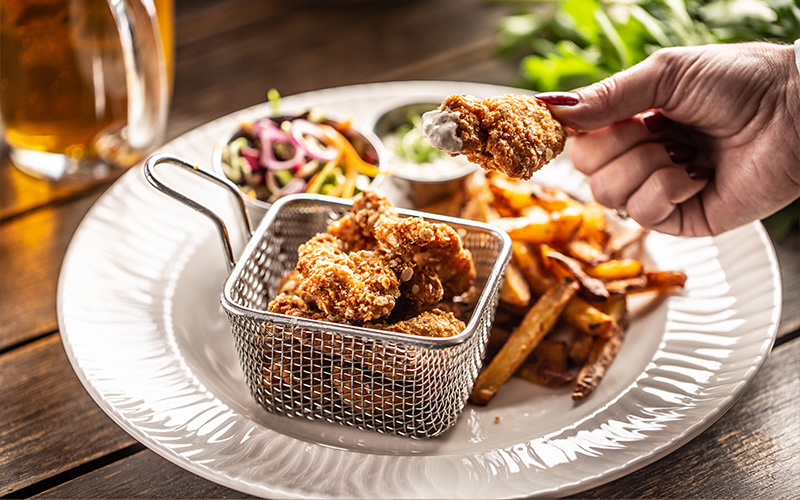
Examples of these foods:
- Butter and ghee
- Fatty cuts of meat
- Processed meats such as sausages
- Coconut oil and coconut cream
- Full-fat dairy products
- Deep-fried foods
- Baked goods such as pastries and cookies
Limiting these foods may help manage blood cholesterol levels more effectively. Health experts often recommend keeping dietary cholesterol intake below 300 milligrams per day for individuals who need to reduce LDL (bad) cholesterol. Moderation remains key. Many of these foods can still be enjoyed occasionally as part of a balanced diet when combined with healthier food choices.
Who Is at Higher Risk of High Blood Cholesterol?
Certain groups of individuals may face a higher risk of developing elevated blood cholesterol levels. For these individuals, regular screening and mindful dietary choices can help manage this risk.
People at higher risk include those who:
- Smoke/vape regularly
- Have diabetes
- Have high blood pressure
- Have a family history of early heart disease
- Have a family history of familial hypercholesterolaemia
Familial hypercholesterolaemia is a genetic condition that prevents the body from effectively removing LDL (bad) cholesterol from the blood. Individuals with this condition often develop very high blood cholesterol levels from a young age and require early medical management.
What Foods to Limit if You Have High Blood Cholesterol
Managing blood cholesterol often involves reducing foods that contribute to elevated LDL (bad) cholesterol. Individuals diagnosed with high blood cholesterol may benefit from limiting foods high in saturated and trans fats.
Examples include:
- Butter and ghee
- Fatty meats
- Processed meats such as sausages
- Coconut cream and coconut oil
- Full-fat dairy products
- Deep-fried foods
- Pastries and baked goods
These foods are commonly identified as ones to reduce or avoid when managing cholesterol. Replacing them with healthier options such as vegetables, fruits, whole grains and lean proteins may help support better blood cholesterol control and overall cardiovascular health.
Why Regular Health Screening Matters
Since many individuals do not experience obvious symptoms of high blood cholesterol, routine health screening is one of the most effective ways to detect elevated blood cholesterol early.
Regular health screening allows individuals to:
- Identify elevated blood cholesterol levels before complications occur
- Understand personal risk factors for heart disease
- Make informed lifestyle and dietary changes
Early detection also provides an opportunity to manage blood cholesterol through dietary changes, physical activity and medical advice where necessary.
Building Awareness for Better Heart Health
Understanding what foods are high in cholesterol is a key step in protecting long-term heart health. Dietary choices, combined with lifestyle factors such as physical activity and smoking habits, influence cholesterol levels over time.
While high blood cholesterol may not produce noticeable signs of blood cholesterol problems initially, it can contribute to serious cardiovascular conditions if left unmanaged. Awareness of the causes of high blood cholesterol and the role of diet can help individuals take preventive action.


