|
Nourish To Flourish: Guide To Preventing Malnutrition
How Good Nutrition Protects Heart Health in Older Adults
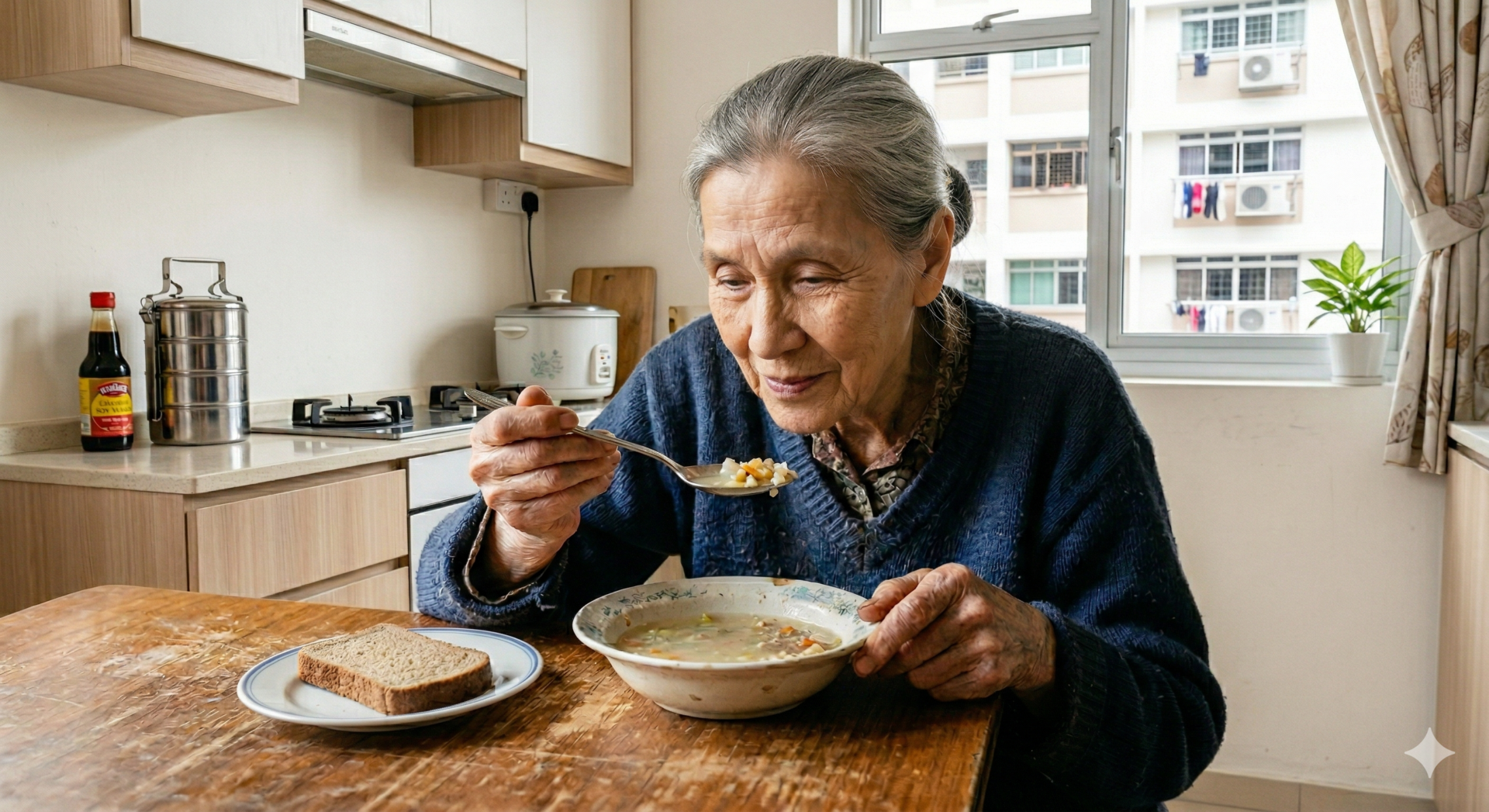
Malnutrition is not just about hunger or poverty. It is increasingly affecting older
adults in developed communities, with serious consequences for cardiovascular
health. As people age, their nutritional needs shift while appetite, mobility and
independence often decline. When nutrition is inadequate, the heart is among
the first organs to feel the impact.
Studies found that up to one in seven older adults is at risk. This is not a marginal
issue. It is a growing public health concern with clear links to heart disease, recovery
outcomes and quality of life.
What Is Malnutrition?
Malnutrition is often thought to occur only when the body does not receive
enough calories, protein or nutrients. However, malnutrition can also develop
when the body does not get the right balance of nutrients. Over time, this
imbalance may lead to unintentional weight loss, reduced muscle strength,
low energy and endurance.
Why Malnutrition Increases Cardiovascular Risk?
The heart is a muscle that depends on a steady supply. When nutrient intake is
insufficient, several heart-related risks may increase:
❤ Weaker heart muscle
Protein and energy deficiency can reduce cardiac and skeletal muscle mass, affecting
the heart’s ability to pump efficiently. This is particularly concerning for individuals with existing heart failure or heart disease.
❤ Poor recovery after cardiac events or surgery
Older adults recovering from heart attacks or heart surgery often require higher protein
and calorie requirements. Malnutrition is associated with slower wound healing,
higher infection rates and longer hospital stays—findings consistently reported in
cardiac rehabilitation settings.
❤ Worsening of chronic conditions
Overtime, inadequate intake of wholegrains, fruit, vegetables and healthy
fats can worsen cholesterol profiles, blood pressure control and blood
sugar regulation—key risk factors for cardiovascular diseases.
What Causes Malnutrition?
Malnutrition rarely has a single cause. It is usually the result of several
overlapping factors:
❤ Illness and Chronic Disease
Heart disease and long term illnesses increase the body’s nutrient
needs, while appetite often decreases.
❤ Recovery after Surgery
Without sufficient nourishment after a heart surgery or major procedures, recovery
slows and the body becomes weaker.
❤ Mood or Memory Changes
Depression, low mood or cognitive decline can reduce interest in food, causing skipped meals and poor nutrition.
❤ Chewing or Swallowing Problems
Dental issues, sore gums, post-stroke swallowing difficulties and dentures make eating harder — especially protein- and fibre-rich foods
❤ Changes in Living Situations
Living alone, losing a caregiver or moving into residential care can disrupt regular, balanced meals.
❤ Fear of Unhealthy Foods
Some older adults avoid foods they believe are bad for the heart — unintentionally missing out on essential nutrients.
Nutrition Warning
Early detection matters. Look out for:
❤ Unintentional weight loss: Often, the first and most
reliable sign.
❤ Muscle weakness or fatigue: Difficulty walking, climbing stairs or
performing daily tasks.
❤ Hair thinning and dry skin: Can signal protein, vitamin or essential fat
deficiencies.
If you notice these signs, review your diet with a healthcare professional promptly.
At the Singapore Heart Foundation (SHF), malnutrition screening is conducted
to identify cardiac patients who are malnourished or at risk of malnutrition. Early detection and timely intervention help to improve dietary habits, prevent
unintentional weight loss and weakened immunity, support heart recovery and
reduce the risk of readmission.
Make Every Mouthful Count
Large meals can be hard for older adults. Small, frequent meals work just
as well when planned right.
❤ Aim for five to six small meals or snacks, every 2-3 hours
❤ Include protein and fibre at every meal and snack
❤ Combine three food groups at main meals
❤ Boost calories and protein without increasing volume — add milk,
smoothies, milk powder, 100% nut butter or olive oil.
Preventing Malnutrition while Supporting Heart Health Protein:
Build a Heart-Smart Balanced Plate
A practical and sustainable approach is SHF’s Heart Smart Eating Plate:
Protein: ¼ Plate
Include one serving of lean protein with every meal, equivalent to a palm-sized portion of meat, fish or poultry (approximately 90g).
Benefits:
❤ Maintains muscle, including heart muscle
❤ Supports wound healing and immunity
Better choices: Fish, lean meats, skinless chicken, low-fat dairy, tofu and soy products
Limit: Processed meats such as sausages, luncheon meat and nuggets, which are lower in protein and higher in salt and saturated fat.
Whole-grains: ¼ Plate
Benefits:
❤ Helps lower LDL (bad) cholesterol levels
❤ Supports blood sugar control and gut health
Better choices: Brown rice, oats, wholemeal bread and whole-grain
noodles.
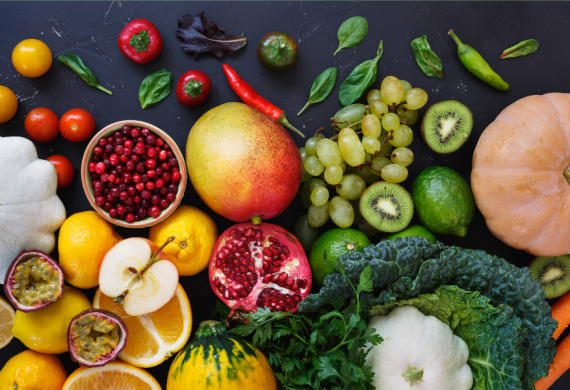
Fruit and Vegetables: ½ Plate
Aim for a variety of colours.
Benefits:
❤ Provides antioxidants that reduce vascular inflammation
❤ Supplies potassium, fibre and vitamins, which are important for
blood pressure, heart function and immunity.
A balanced plate does more than prevent weight loss. It supports immunity, builds strength, aids recovery and protects your heart in the long term.
Malnutrition is preventable and prevention plays a vital role in heart health. Adequate protein helps preserve muscle, fibre support cholesterol management, fruit and vegetables support immunity. Small, consistent dietary choices can help older adults stay strong, recover more effectively and maintain their independence.
The article is contributed by Natalie Yeo, Senior Dietitian and Nicole Yueng, Dietitian at the Singapore Heart Foundation.