|
Heart Attack Amidst COVID-19

Presently, countries with reported high incidences of COVID-19 such as in China, Europe and the USA are seeing significantly lower rates of admissions for acute myocardial infarction (AMI or heart attack). Numbers have dropped by as much as 20 to 70 percentage points. Moreover, delays in treatment of patients with AMI have also led to more complications, constituting a worrisome trend for cardiologists all over the world.
The reasons for the delay in seeking treatment for patients suffering heart attacks include the fear of contracting COVID-19 in hospitals as well as the unwillingness to further add to the load of the emergency healthcare service which is already overstretched with high demand. These are misconceptions which need to be addressed if another healthcare disaster involving heart patients were to be avoided.
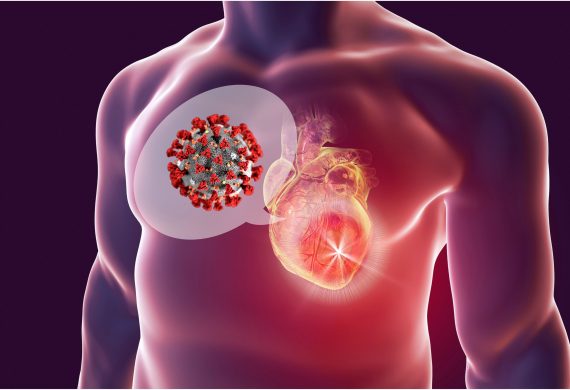
COVID-19 has been documented to increase the risk of heart failure and sudden cardiac deaths. The virus can cause myocarditis (inflammation of heart muscles) or trigger AMI in a small number of patients. Increasingly, doctors are seeing patients who present with the typical signs and electrocardiogram (ECG) findings suggestive of AMI but whose coronary angiograms show no artery obstruction by atherosclerosis. This has given rise to the diagnosis of stress cardiomyopathy, a condition characterised by severe heart muscle weakness which develops rapidly resulting from intense physical or emotional stress.
For AMI patients with concomitant COVID-19 infection, pharmacological thrombolysis has been used as first line treatment in many Asian countries in preference to the gold standard treatment of emergency percutaneous coronary intervention (ePCI) to minimise possible cross infection between doctors and patients in the cardiac catheterisation laboratories.
Fortunately, the COVID-19 situation is manageable in Singapore as our healthcare system is well-prepared and the provision of personal protective equipment (PPE) for both patients and doctors at healthcare facilities is adequate. Patients should not have to worry about getting infected in hospitals and thereby put off any necessary medical treatments.
The number of AMI cases seen at the National University Hospital Singapore in February and March this year remained at about 50 cases a month, with ePCI used as the usual treatment of choice for these patients. The mortality rate and the door-to-balloon time during this period has also remained unchanged. Singaporeans should remain vigilant about heart attack symptoms such as chest pain and should not hesitate to call 995 for immediate medical assistance.
Article is contributed by Prof Tan Huay Cheem, Chairman, Singapore Heart Foundation.