
|
How to Keep Your Heart Healthy: The Essential Do’s and Don’ts
Key Takeaways:
- Learning how to keep your heart healthy starts with moderating sodium intake, choosing healthier fats, eating more fibre, staying active and maintaining a healthy weight, which can support better heart health.
- Food choices affect blood pressure, blood cholesterol levels and weight, especially when meals are high in salt, saturated fat, processed foods or oversized portions.
- Healthy adults should aim for 150 to 300 minutes of moderate-intensity aerobic activity each week, along with at least two days of muscle-strengthening activity.
Introduction
Heart disease remains an important public health concern in Singapore, especially as conditions such as heart disease and stroke continue to affect many individuals and families. Many people live with risk factors such as high blood pressure, high blood cholesterol, diabetes, excess weight, smoking habits or prolonged inactivity. While some risks may be linked to age, family history or existing medical conditions, many day-to-day choices still affect long-term heart health.
Learning how to keep your heart healthy does not mean making drastic changes overnight. For most people, it starts with consistent habits: eating with greater awareness, moving regularly, monitoring health indicators and reducing behaviours that strain the heart. Small changes may feel simple, but when practised over time, they can support healthier blood pressure, blood cholesterol levels, weight management and overall cardiovascular well-being.
Do’s for a Healthy Heart
If you have ever wondered, “How can you improve your heart health?”, the answer often begins with your daily routine. Food choices, activity levels and weight management all affect how hard the heart has to work.
1. Do moderate your sodium intake
High sodium intake is closely linked to high blood pressure. Although most people think that sodium comes from table salt, sauces, gravies, soup bases, processed foods and preserved ingredients, in fact, sodium can also be found in fresh ingredients like apples or water.
To reduce sodium intake, opt for fresh ingredients, and limit canned and processed foods such as luncheon meat, sausages and ham, where possible. Be mindful of salted and preserved foods such as ikan bilis and salted eggs. When eating out, ask for less gravy or sauce, especially for dishes where sauces are served generously.
At home, taste your food before adding salt. Instead of relying on sodium-based seasonings, use ingredients such as garlic, onion, ginger, vinegar, lemon juice, mint leaves, black pepper or coriander to build flavour. These swaps may help make meals more heart-friendly without making them feel bland.
For people with high blood pressure, reducing salt intake may support better blood pressure control. However, anyone with existing medical conditions should follow advice from their doctor or dietitian.
2. Do get your fat balance right
Not all fats affect the body in the same way. Saturated fats and trans fats should be reduced because they may contribute to unhealthy cholesterol levels. Saturated fats are commonly found in animal fat, poultry skin, full-fat dairy products, palm oil, coconut oil and coconut milk. Trans fats may be present in some deep-fried foods, baked products and fast food.
A heart-healthier approach is to choose more unsaturated fats in suitable amounts. These include monounsaturated and polyunsaturated fats found in olive oil, canola oil, nuts, seeds and oily fish.
You can also reduce total fat intake through simple cooking changes. Use less oil when preparing meals. Remove visible fat before eating meat. Choose steaming, boiling, grilling or baking more often than deep-frying. These habits may also help reduce diet-related causes of high blood cholesterol, especially when combined with regular physical activity and health checks.
3. Do increase fibre intake
Whole grains, fruits and vegetables are important parts of a heart-friendly diet. Fibre may support better cholesterol control and may also help with fullness, which is useful for weight management.
Choose wholemeal or multigrain bread instead of white bread. Swap refined grains for brown rice, oats or other whole grain options when practical. Instead of salty snacks, choose fruits, vegetables or unsalted nuts in appropriate portions.
A good daily target is at least two servings of fruits and two servings of vegetables. This does not have to be complicated. Fruits can be included at breakfast or as a snack, while vegetables can take up a larger portion of the plate at lunch and dinner.
This is one practical way to keep your heart healthy, as it supports both diet quality and portion control. Over time, eating more fibre-rich foods may make healthier eating easier to sustain.
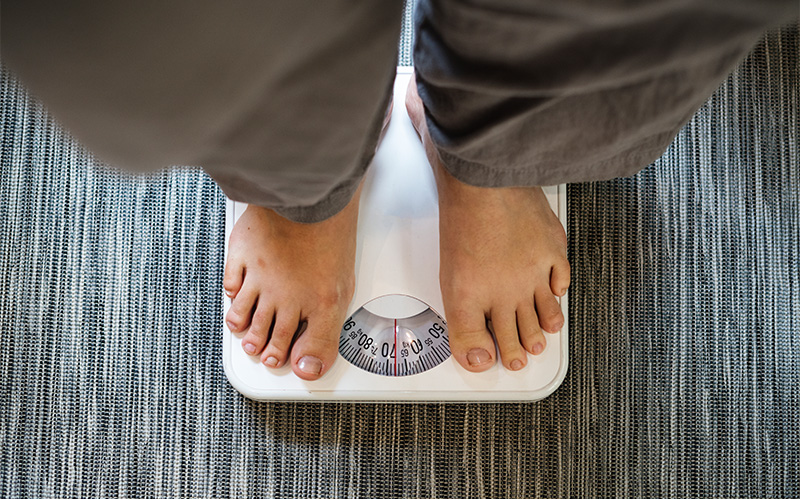
4. Do maintain a healthy weight
Excess weight may increase the risk of high blood cholesterol, high blood pressure and diabetes. For many Asian adults, a body mass index within the healthier range is often stated as 18.5 to 22.9 kg/m². However, weight alone is not the only factor to watch.
Central obesity, or excess fat around the abdomen, can increase cardiovascular risk even when a person’s overall weight seems acceptable. This is why waist size, eating habits, activity level and health screening results should also be considered.
To manage weight in a heart-friendly way, reduce saturated fat intake, choose healthier cooking methods and avoid oversized portions. Pair dietary control with regular physical activity rather than relying on short-term dieting.
If you have existing heart disease, kidney disease, diabetes or other chronic conditions, seek professional advice before making major diet or exercise changes.
5. Do stay physically active
Regular movement strengthens the heart, improves circulation and supports weight management. HealthHub recommends that healthy adults aim for at least 150 to 300 minutes of moderate-intensity aerobic physical activity each week, along with at least two days of muscle-strengthening activity.
This can be broken into manageable sessions. For example, a 30-minute brisk walk on most days of the week may be more realistic than trying to complete long workouts. Swimming, cycling, dancing, active commuting and household chores can also contribute to movement.
Physical activity may help lower blood pressure, improve cholesterol levels, reduce stress, support sleep and maintain a healthy weight. The best activity is one you can do safely and consistently.
If you are inactive, start gradually. If you have a heart condition or symptoms such as chest discomfort, breathlessness, dizziness or fainting, consult a doctor before increasing exercise intensity.
Don’ts for a healthy heart
Knowing what to avoid is just as important as knowing how to keep your heart healthy. Some habits may quietly increase strain on the heart, even when they seem normal in daily life.
1. Don’t ignore portion sizes
Overeating can contribute to excess weight, high blood pressure and cholesterol imbalance. A balanced plate, which includes a quarter plate of protein, a quarter plate of whole grain and half plate of fruits and vegetables, is a practical way to control portions without counting every calorie.
A heart-smart meal can include healthier protein choices such as lean meat, fish, skinless poultry, tofu or legumes. Oily fish may be included about twice a week as part of a balanced diet because they contain omega-3 fatty acids.
One serving may include a palm-sized piece of lean meat, fish or skinless poultry, two small blocks of tofu, five medium prawns, three eggs or three-quarters of a cup of cooked pulses.
However, people with medical conditions such as chronic kidney disease may need a lower protein diet and should consult their physician. Portion guidance should be personalised when health conditions are present.
2. Don’t lead a sedentary lifestyle
Even if you exercise, sitting for long periods may still affect heart health. Many people spend hours at a desk, in transport or using digital devices. Over time, prolonged inactivity may contribute to poorer fitness and weight gain.
Break up sitting time where possible. Stand, stretch or walk briefly between tasks. Take the stairs when appropriate, walk for short errands, or include light movement during breaks. These small habits make physical activity part of daily life instead of something reserved only for workouts.
3. Don’t smoke and vape
Smoking can damage blood vessels, raise blood pressure and contribute to plaque build-up in the arteries. It is also linked to heart attack, stroke and other serious diseases. Even smoking a few cigarettes a day is not considered safe for cardiovascular health.
Vaping is also a concern because it may expose the body to nicotine and other chemicals that can affect the cardiovascular system. For heart health, the safer approach is not to smoke or vape.
If you smoke, quitting is one of the most meaningful steps you can take for your heart. Support from healthcare professionals, smoking cessation resources and family members may make the process more manageable.
4. Don’t drink excessively
Excessive alcohol intake may be associated with increased triglycerides, high blood pressure, stroke, abnormal heart rhythms and liver problems. For those who already drink, moderation is advised.
For people who do not drink alcohol, avoiding it remains a healthy choice. Those who do should keep intake moderate as it may help reduce alcohol-related strain on the body, especially when drinking happens regularly during social meals, celebrations or stressful periods.
If alcohol is part of your lifestyle, be honest about frequency and quantity. Cutting back may be helpful if drinking has become regular, heavy or linked to stress coping.
5. Don’t ignore stress
Constant stress over prolonged periods may contribute to high blood pressure and increase strain on the heart. It can also affect sleep, food choices, smoking habits, alcohol intake and motivation to exercise, which are all relevant when understanding what causes high blood pressure and how to prevent it.
Managing stress does not mean removing every source of pressure. It means building healthier ways to respond. Try setting realistic limits, taking short breaks, getting enough sleep, speaking with trusted people and making time for activities that help you unwind.
If stress feels constant, overwhelming or starts affecting daily life, it may be helpful to speak with a healthcare professional or mental health professional for support.
Building Heart-Healthy Habits for Everyday Life
Building Heart-Healthy Habits for Everyday Life
Maintaining heart health comes down to consistent daily decisions. Eating less sodium, choosing healthier fats, increasing fibre, staying active, managing weight, avoiding smoking, limiting alcohol and handling stress all contribute to a stronger foundation for cardiovascular well-being.
There is no single habit that answers how to keep your heart healthy. A healthier heart is built through repeated choices that support blood pressure, blood cholesterol, weight, circulation and overall wellness.
References:
https://www.mountelizabeth.com.sg/health-plus/article/ways-to-strengthen-the-heart
https://www.healthhub.sg/health-conditions/heart-failure-basic-dietary-guideline
https://www.leslietayheart.com.sg/article/7-everyday-habits-that-will-keep-your-heart-healthy/
https://heartpractice.sg/dos-and-donts-of-keeping-your-heart-healthy/


