
|
How to Prevent Heart Attack: Lifestyle Changes Every Woman Should Start Today
Key Takeaways:
- Women’s heart attack symptoms may not always appear as sudden or severe chest pain.
- The H.E.L.P. framework can help women remember key signs: Heaviness over chest and shortness of breath, Extreme fatigue or unusual tiredness, Light-headedness or dizziness and Pain beyond the chest, radiating to the neck, jaw, shoulders, upper back.
- Understanding how to prevent a heart attack also starts with recognising these symptoms early, checking risk factors regularly and taking action before warning signs are ignored.
Introduction
Understanding how to prevent a heart attack begins with recognising that heart disease can affect women differently. While chest pain remains the most commonly recognised symptom for both men and women, women are more likely to experience heart attacks without obvious chest pain. As symptoms in women can appear mild or unrelated to the heart, early recognition, lifestyle modification and prompt action are critical.
Prevention is not only about responding to emergencies, but also about building daily habits that protect heart health over time. For women in Singapore, early recognition, regular health checks and consistent lifestyle changes can make a practical difference.
Recognising Heart Attack Symptoms in Women
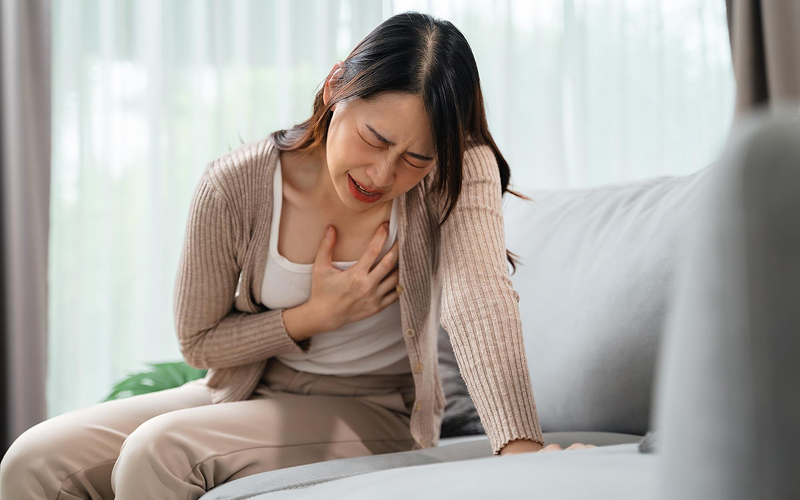
Heart attack symptoms in women may not always appear as sudden, severe chest pain. Some women experience chest discomfort, while others notice symptoms in the upper back, jaw, shoulders or neck.
1. Chest Pain or Discomfort
Chest discomfort may feel like pressure, tightness, fullness or heaviness rather than sharp pain. It may occur in the centre of the chest or across a wider area, and it should not be dismissed simply because it is not clearly on the left side. Any chest discomfort that feels unusual, persistent or occurs with other symptoms should be treated seriously.
2. Pain Beyond the Chest
Women may experience pain beyond the chest, including discomfort in one or both arms, the upper back, the neck or the jaw. This pain may develop gradually or occur suddenly and intensely. As these areas may not seem directly related to the heart, some women may delay seeking help.
3. Shortness of Breath, Nausea or Lightheadedness
Feeling unable to catch your breath without exertion, nausea, vomiting or feeling faint can also signal a heart attack. These symptoms can be confusing because they may resemble gastric discomfort, fatigue or anxiety.

4. Extreme or Unusual Fatigue
Severe tiredness that does not improve with rest may be an early warning sign. Some women may find that simple activities, such as walking across a room or carrying out usual daily tasks, suddenly feel unusually difficult.
5. Sweating
A sudden cold sweat without a clear cause should not be ignored. In Singapore’s climate, sweating is common, but cold sweating linked to discomfort, nausea, breathlessness or faintness is different from normal perspiration caused by heat or activity.
6. Other Less Common Signs
Other less common signs may include heartburn, indigestion, a persistent cough or sensations described as “heart flutters”. These symptoms may resemble flu, stress or digestive issues, which is why warning signs should be taken seriously when they feel unusual or occur with other concerning symptoms.
Using H.E.L.P. to Remember the Signs
The H.E.L.P. mnemonic to help women recognise possible heart attack symptoms.
H.E.L.P. stands for:
H – Heaviness over the chest and shortness of breath
E – Extreme fatigue or unusual tiredness
L – Light-headedness or dizziness
P – Pain beyond the chest, radiating to the neck, jaw, shoulders and upper back
This simple framework is useful because women’s symptoms may not always feel dramatic at first. A woman may not immediately describe her symptoms as “chest pain”, but may notice heaviness, tiredness, dizziness or discomfort spreading elsewhere. Remembering H.E.L.P. can encourage earlier action instead of waiting for symptoms to become severe.
Why Women’s Heart Attack Symptoms Can Differ
Women’s heart attack symptoms may differ due to several biological and health-related factors. Hormonal changes, particularly during pregnancy and menopause, can influence cardiovascular health. After menopause, declining oestrogen levels may affect blood vessel function and risk patterns, which is why understanding how to prevent a heart attack should include regular health checks, blood pressure monitoring, blood cholesterol screening and earlier attention to lifestyle habits.
Women also generally have smaller coronary arteries than men, which may influence how symptoms appear. In addition, autoimmune conditions such as lupus and rheumatoid arthritis, which are more common in women, can increase cardiovascular risk. Polycystic ovary syndrome is also associated with hormonal imbalance and higher rates of diabetes, which may increase heart disease risk.
Mental health factors matter as well. Depression and anxiety can influence heart health and how symptoms are noticed. This is why women’s heart health should be viewed holistically, not only through one symptom or one risk factor.
Risk Factors for Heart Disease in Women
Some heart disease risk factors cannot be changed, but knowing them is still part of understanding how to prevent a heart attack. When women are aware of factors such as age, family history, gender-related risk and ethnicity, they can take earlier preventive action.
1. Non-Modifiable Risk Factors
Age is one important factor. Risk increases with age, particularly after menopause. Family history also matters, especially if a male relative developed heart disease before age 55 or a female relative before age 65. Gender patterns are also relevant because women often experience heart attacks later than men, yet many face serious outcomes when symptoms are missed or treatment is delayed.
2. Modifiable Risk Factors
Modifiable risk factors include smoking, diabetes, high blood cholesterol, hypertension and obesity. High blood pressure is especially important because it often develops without obvious warning signs, making regular checks essential. When high blood pressure symptoms do occur, they may include chest pain, shortness of breath, nosebleeds or visual disturbances.
Lifestyle Changes Every Woman Should Start Today
Heart disease is preventable in many cases. While no lifestyle change can remove all risk, consistent habits can reduce the likelihood of a heart attack and improve overall cardiovascular health.
Regular physical activity supports heart function, weight management, blood pressure control and blood cholesterol balance. Women do not need to begin with intense exercise. Brisk walking, swimming, cycling, strength training or structured fitness routines can all support heart health when done consistently and safely.
Not smoking/vaping is another important step. Smoking/vaping damages blood vessels and increases the risk of heart disease. For women who smoke/vape, seeking support to quit can have long-term benefits for both heart and overall health.
Eating healthily also plays a key role. A heart-smart diet should include more vegetables, fruit, whole grains, lean protein and healthier fats while reducing excess salt, sugar and saturated fat. Maintaining a healthy weight can also help lower the risk of high blood pressure, diabetes and high blood cholesterol.
Regular health checks are essential because many risk factors are silent. Blood pressure, blood cholesterol and blood sugar levels should be monitored, especially if there is a family history of heart disease or existing health concerns.
Why CPR and AED Skills Matter
Prevention should also include being prepared for emergencies. Most causes of cardiac arrest are due to a heart attack, and when sudden cardiac arrest occurs, early CPR and AED use can help support survival before emergency medical help arrives. Learning these skills allows families, workplaces and communities to respond more confidently during a cardiac emergency. The Singapore Heart Foundation offers CPR+AED certification courses for those who want to build practical life-saving knowledge.
This does not replace prevention or medical care, but it helps create a safer community. More trained responders mean more people are prepared to act during the critical first minutes of a cardiac emergency.
Taking Charge of Your Heart Health in Singapore
Understanding how to prevent a heart attack requires awareness, early action and consistent lifestyle change. Women should pay attention not only to chest pain, but also to shortness of breath, nausea, light-headedness, unusual fatigue, cold sweat and pain beyond the chest.
Protecting heart health is not one single decision. It is a combination of knowing the signs, checking risk factors, building healthier habits and learning how to respond in an emergency. The Singapore Heart Foundation supports women and families through evidence-based heart health education, CPR and AED training, structured heart wellness programmes and nationwide outreach initiatives.
Additionally, the Foundation’s Go Red for Women initiative also raises awareness of women’s heart health, allowing women to recognise symptoms, manage risk factors and take preventive action.
Find out more about women’s heart health at:


