|
Rethink Your Drink

What is your go-to beverage after an intense workout at the gym? If you reach for a protein shake, chocolate milk or coconut water because of the benefits you think they have, read on for the real low-down on their claims.
BY NATALIE YEO
Whey protein is needed for muscle building.
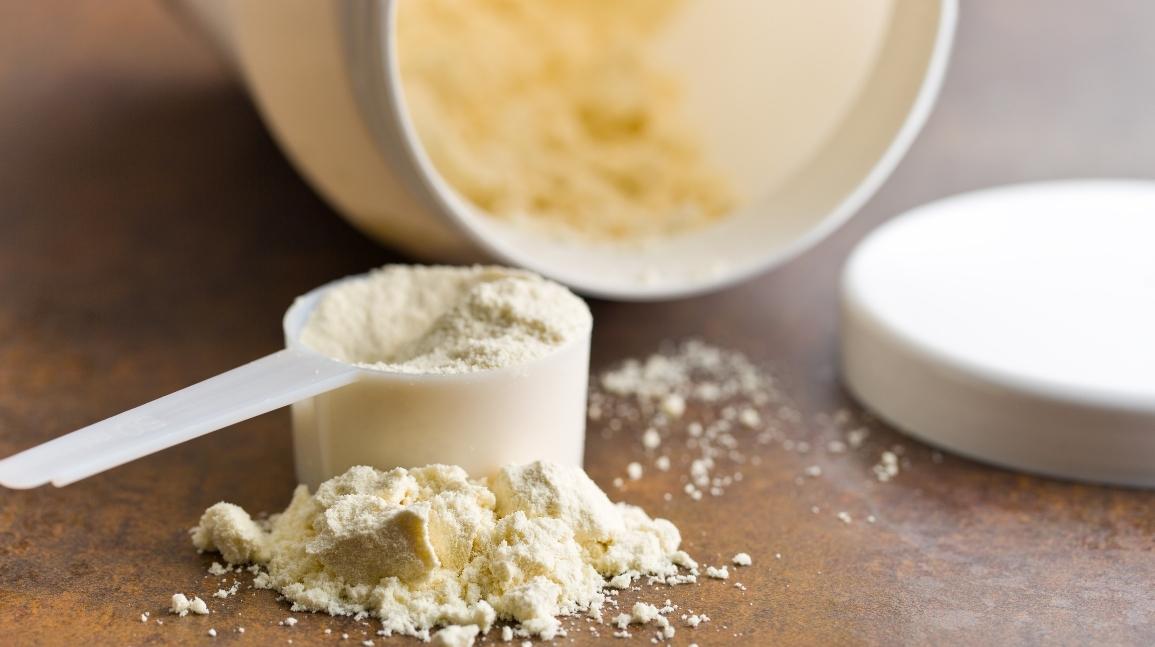
FALSE. Whey protein shakes could be a simple and quick way to supplement and meet our protein requirements, but it is important to consider that powdered protein may also contain added sugars, artificial flavourings and thickeners. Although whey protein is a complete, high quality protein, it is not necessary for individuals who are aiming to build muscles, and should not be a replacement for whole foods.
Instead, go for whole food sources such as eggs, lean meats, fish and tofu to meet your daily protein requirements. They are packed with nutrients and free from added ingredients that could be detrimental to health in the long run.
Chocolate milk can help with muscle recovery post-workout.

TRUE. Chocolate milk, with a good combination of carbohydrates and protein, is believed to be ideal for post-exercise recovery. Carbohydrate refuels the body and replenishes glycogen stores, while protein aids muscle recovery and growth. However, research on the usage of chocolate milk to help with post-workout muscle recovery is limited and larger, high-quality clinical trials are required to determine the association.
There are healthier alternatives to chocolate milk, such as a glass of low-fat milk with whole-meal bread, a serving of oats or fruit, which have similar carbohydrates and protein content that promote recovery. These alternatives are also rich in fibre and provide a gradual release of energy.
Coconut water rehydrates better than water.
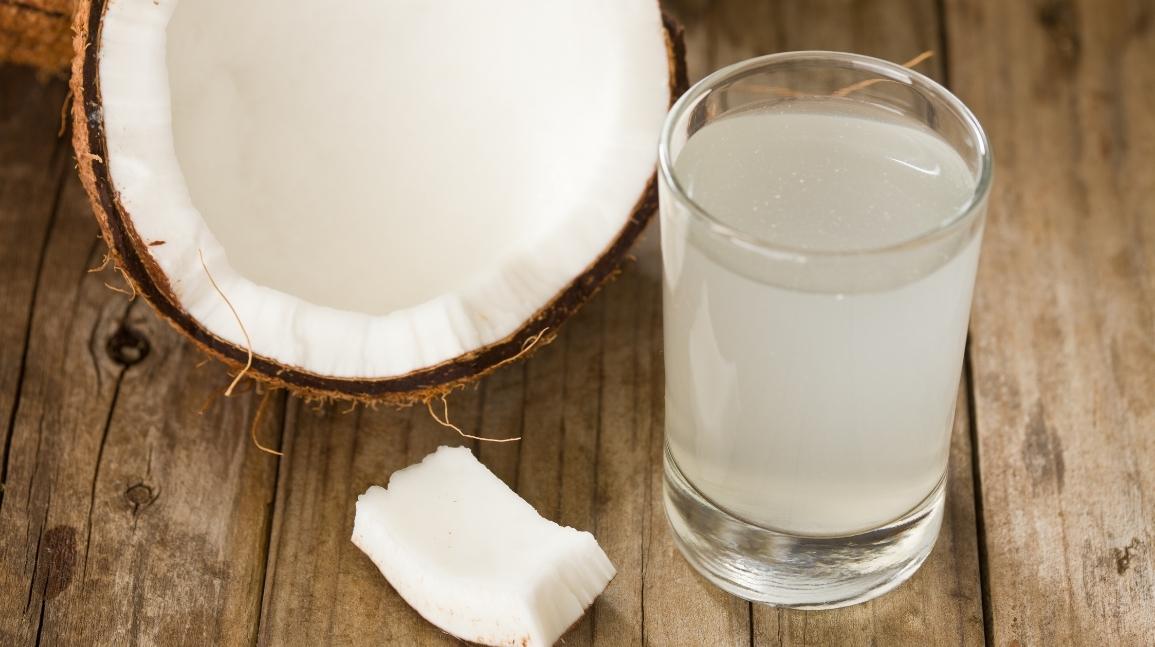
FALSE. Dubbed nature’s sports drink, coconut water is commonly believed to contain electrolytes that help with rehydration. However, the truth is that though coconut water is generally high in potassium, its other electrolyte content is usually of negligible quantities. While electrolytes such as sodium and potassium could help the body maintain fluid balance, studies have suggested that there is no significant difference between drinking coconut water and plain water for rehydration.
Stick to water to replenish your water levels where possible, and be wary of bottled coconut water that may contain added sugar. Individuals with medical conditions such as chronic kidney disease should also exercise caution due to the high potassium levels in coconut water.
The content on this page is for information only. Individuals with chronic diseases should seek advice from your healthcare provider/dietitian before making dietary changes.