|
Safeguarding Your Heart From Shingles and RSV
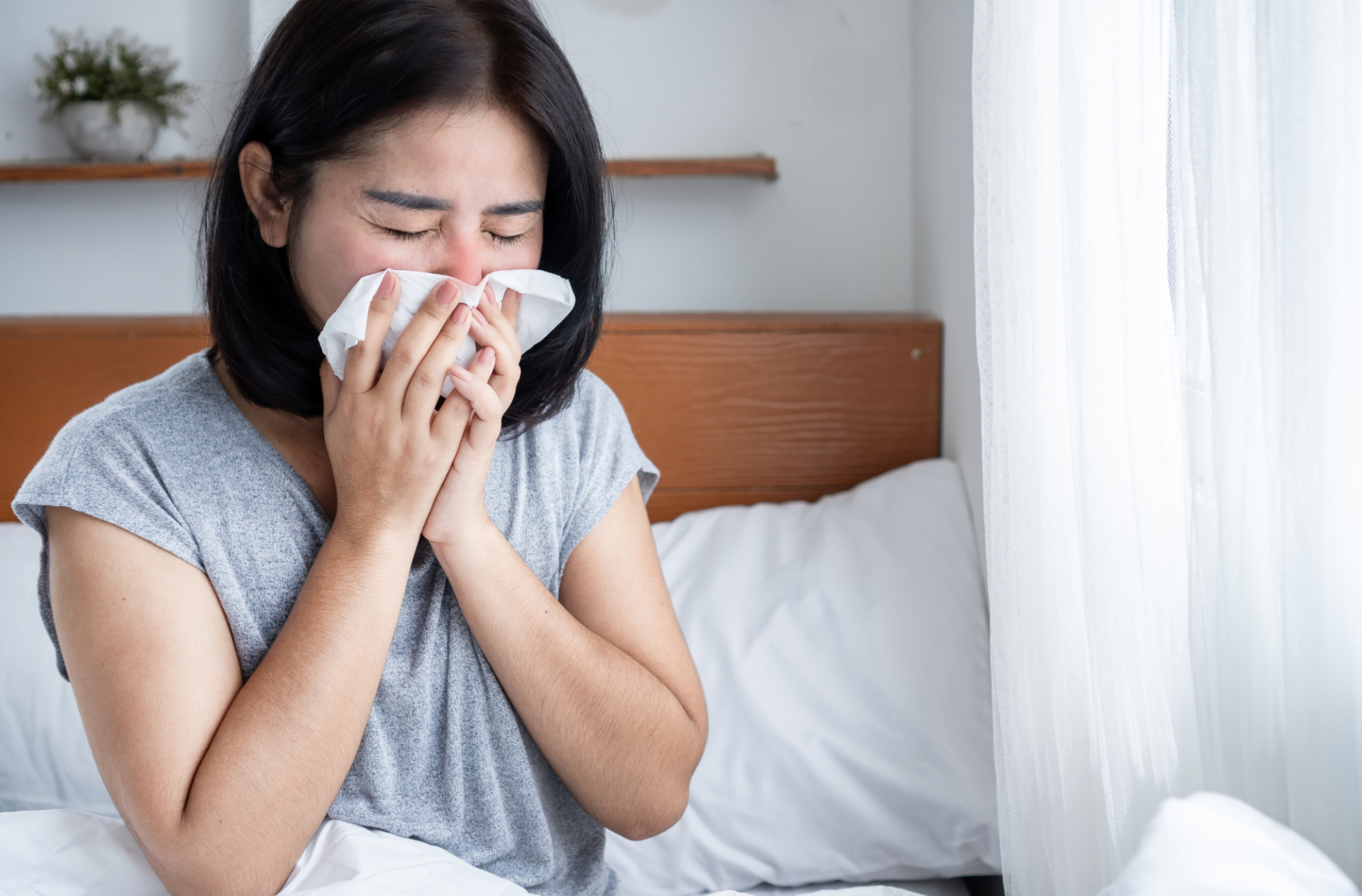
Infections can affect anyone, regardless of age or health status. However, those with underlying health conditions such as heart disease, or young children and the elderly, are often more vulnerable to severe complications.
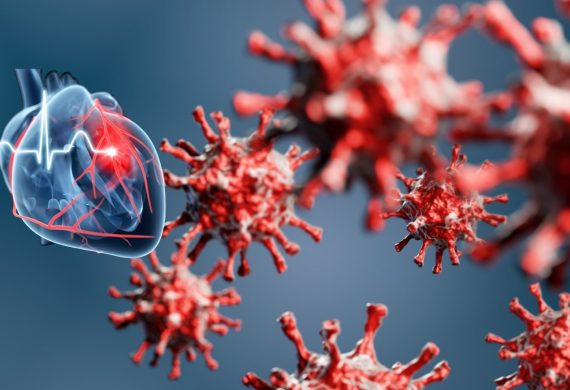
Two common infections, Shingles and Respiratory Syncytial Virus (RSV), are viruses that may seem harmless at first. However, for people with heart conditions, they can lead to serious health issues.
It is crucial to understand the risks of common infections and take steps to
prevent them.
Shingles: More Than Just a Rash
Shingles is caused by the same virus that causes chickenpox. After you recover from
chickenpox, the virus can stay in your body for years. It usually hides in the nerve cells.
When your immune system weakens, the virus can reactivate. This causes shingles.
Who is at higher risk?
❤ Older adults aged 50 and above
❤ People with weakened immunity
❤ Those who are under stress
❤ Those with chronic illnesses, including heart disease
How shingles looks and feels
❤ A painful, blistering rash on one side of the body or face
❤ Rashes which usually scab over in 7-10 days and heal within 2-4 weeks
Possible complications
Shingles is more than just experiencing pain. It can cause long-term issues, such as:
❤ Post-herpetic neuralgia (long-lasting
nerve pain)
❤ Bacterial skin infections
❤ Hearing loss
❤ Brain inflammation
❤ Increased risk of heart attack and stroke
What to do if you have shingles
If you suspect you have shingles, see a doctor promptly. Early treatment helps
minimise pain and complications.
DO
❤ Wash hands regularly
❤ Keep the rash clean and covered
❤ Seek medical advice immediately
DO NOT
❤ Pop the blisters
❤ Scratch the rash
Respiratory Syncytial Virus (RSV): Not Just a Children’s Virus
RSV is a highly contagious virus that infects the airways, leading to symptoms like
those of the flu. It spreads easily through:
❤ Coughs and sneezes
❤ Saliva or mucus
❤ Touching contaminated surfaces
People with RSV are contagious for 3 to 8 days or more. One person can infect
several others.
Who is at higher risk?
❤ Young children
❤ Older adults aged 60 and above
❤ People with chronic illnesses and
weakened immune systems
❤ People with heart disease
Common symptoms
RSV can feel like the flu. Symptoms include:
❤ Fever
❤ Sore throat
❤ Cough
❤ Body aches
❤ Fatigue
In more severe cases, it can cause difficulty breathing, which may require hospitalisation. Older adults with RSV are at a higher risk of requiring oxygen support or admission to the intensive care unit. Those with heart disease may face an increased risk of heart-related
complications during hospitalisation.
Prevention is essential. Here are simple steps you can take:
For Shingles
❤ Keep your immune system healthy
❤ Manage stress
❤ Keep chronic conditions under control
❤ Know the early warning signs
For RSV
❤ Practise good personal hygiene such as washing hands regularly
❤ Avoid close contact with sick people
❤ Disinfect commonly touched surfaces
❤ Stay home when unwell
Shingles and RSV may seem common. But for people with heart disease, they can be dangerous. By staying informed about these infections and taking proactive steps to prevent them, you can help protect your heart and overall health.
Remember, always consult your healthcare provider if you have concerns or need more information on how to safeguard yourself from these infections.
The article is contributed by Dr Wee Xue Ting, Cardiology Specialist Pharmacist at iRx Clinical Pharmacy and Vivian Tan, NUS Doctor of Pharmacy Candidate, registered pharmacist at the Singapore General Hospital.