|
Sleep Your Way to Better Health
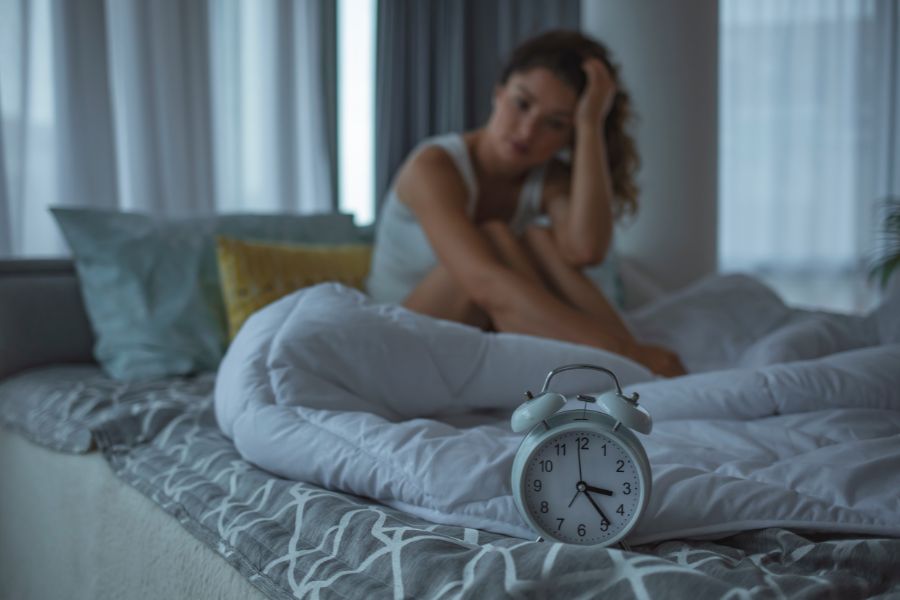
Singaporeans are not sleeping enough. In a recent survey spanning 43 cities, Singapore was ranked the third most sleep-deprived city. Only one in four adults get more than the recommended seven to nine hours of sleep daily, and only 17% of respondents sleep through the night1-2.
What is Sleep Deprivation?
Sleep deprivation is a condition that occurs when an individual does not get enough sleep. It can be either acute (short-term) or chronic (long-term). Sleep deprivation can affect cognitive function, emotional balance, physical health and overall quality of life.
Impact of Sleep Deprivation on the Heart
While many are aware of the obvious consequences of sleep deprivation such as fatigue, reduced concentration, emotional instability and a higher risk of depression and anxiety, the link between chronic sleep loss and cardiovascular disease is far more nuanced and subtle.
Sleep deprivation may be associated with a higher risk of increased blood pressure, coronary heart disease, and stroke. A study investigating the association between sleep duration and heart attack, also found that short sleepers (defined as those who sleep fewer than six hours a night) had a 20% higher risk of heart attack3, compared to those who slept longer for six to nine hours.
It is suggested that sleep deprivation puts the body in a constant “fight-or-flight” state4, and disrupts the normal circadian rhythm of blood pressure5. A persistently activated sympathetic nervous system then results in elevated blood pressure, which increases cardiovascular risks for individuals.
Reasons for Sleep Deprivation
Due to the hustle and bustle of our modern-day metropolis, it is not uncommon to hear of individuals who sacrifice sleep for a plethora of reasons, such as work, social activities, or entertainment. Scrolling on social media, binge-watching videos and overnight gaming capture the zeitgeist of our generation.
- Work Demands
Work exigencies such as urgent deadlines or teleconferencing with international teams, shift work, long working hours and irregular schedules can all contribute to sleep deprivation. - Digital Distractions
Digital devices such as smartphones, tablets and computers can interfere with sleep in several ways. Blue light exposure from screens can inhibit the production of melatonin, a hormone that helps regulate sleep. Mental stimulation from social media, games, online content, and frequent alerts and notifications on digital devices can also interrupt sleep or delay sleep onset. - Health Issues
Apart from social factors, medical conditions such as obstructive sleep apnoea, restless legs syndrome, chronic pain, and mood disturbances from anxiety and depression also lead to poor sleep. - Others
Other factors which affect sleep include environmental factors, such as noisy surroundings, uncomfortable sleeping conditions and substance use including alcohol, caffeine, and certain medications.
Better Sleep for Better Health
Given the profound impact of sleep deprivation on one’s health, including heart health, it is imperative for Singaporeans to prioritise their sleep and adopt healthy sleep habits.
Prevent Digital Distractions
While there is no silver bullet, we recommend limiting digital consumption before bedtime. As a complete digital detox is unrealistic in today’s society, gradually cutting down on screentime would be a more acceptable approach.
Some practical ways to achieve this include:
- Switching off phone notifications after a certain time, so that only essential notifications appear while the rest are muted.
- Setting time limits before bedtime for social media platforms.
- Establishing a bedtime routine that includes a wind-down period without screens.
- Using blue light filters or switching devices to night mode to reduce blue light exposure.
Sleep Hygiene
The general advice for a healthy sleep habit includes having a fixed sleep schedule, even during weekends and off-days.
Other tips include:
- Avoid cigarette smoking, caffeine, alcohol and heavy meals high in sugar four to six hours before bedtime.
- Create a conducive, restful environment that is quiet, dark, and cool to induce sleep.
- Meditation and deep-breathing exercises are relaxation techniques that may be helpful if you have difficulty getting to sleep.
- Regular physical activity is conducive for sleep and it is advisable to exercise earlier in the day. Strenuous exercise in the late evening may cause your body and mind to be overactive and affect sleep.
A good night’s rest is the first step to living well. Sleeping your way to better health is achievable and every small effort counts!
Article is contributed by Dr Tang Yiting, Associate Consultant, Department of Respiratory Medicine at Sengkang General Hospital, and Dr Soh Rui Ya, Service Chief of the SingHealth Duke-NUS Sleep Centre, and Senior Consultant, Department of Respiratory Medicine at Sengkang General Hospital.
References
- Sleep deprivation in Singapore: a public health crisis. (2023, December 18). Global-Is-Asian. Retrieved July 12, 2024, from https://lkyspp.nus.edu.sg/gia/article/sleep-deprivation-in-singapore-a-public-health-crisis
- Singaporeans would like to sleep for at least seven hours but only a quarter have that routine. (2022, March 18). YouGov.com. Retrieved July 12, 2024, from https://business.yougov.com/content/41611-singaporeans-would-sleep-least-seven-hours-only-qu
- Daghlas, I., Dashti, H. S., Lane, J., Aragam, K. G., Rutter, M. K., Saxena, R., & Vetter, C. (2019). Sleep Duration and Myocardial Infarction. Journal of the American College of Cardiology, 74(10), 1304–1314. https://doi.org/10.1016/j.jacc.2019.07.022
- How sleep deprivation and sleep apnea impact heart health. (2024, January 9). UChicagoMedicine. Retrieved July 12, 2024, from https://www.uchicagomedicine.org/forefront/heart-and-vascular-articles/2024/january/how-sleep-deprivation-and-sleep-apnea-impact-heart-health
- Evbayekha, E. O., Aiwuyo, H. O., Dilibe, A., Nriagu, B. N., Idowu, A. B., Eletta, R. Y., & Ohikhuai, E. E. (2022). Sleep Deprivation Is Associated With Increased Risk for Hypertensive Heart Disease: A Nationwide Population-Based Cohort Study. Curēus. https://doi.org/10.7759/cureus.33005