|
Understanding the Complexity of Hearing Loss
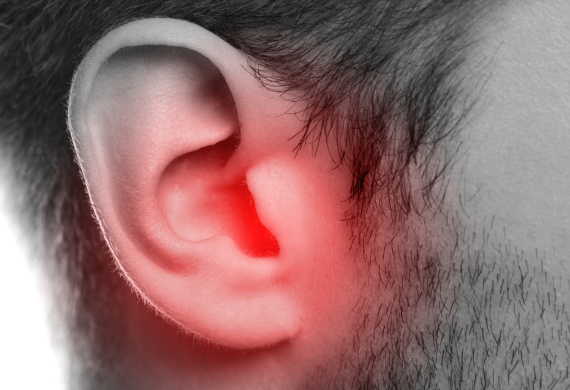
Hearing loss is a prevalent problem, with its incidence expected to rise as Singapore’s population ages. It is estimated that over 60% of adults aged 60 years or older in Singapore have hearing loss.
Early hearing loss symptoms may be subtle, and thus they often go unnoticed. Those with mild hearing loss may experience difficulty listening to speech in noisy environments, or they may complain of vague or associated symptoms such as tinnitus (often described as ringing in the ears) or ear blockage. In more severe cases, however, the loss of hearing is usually unmistakable. Even then, it is not uncommon for family members or friends to nudge these individuals to seek treatment.
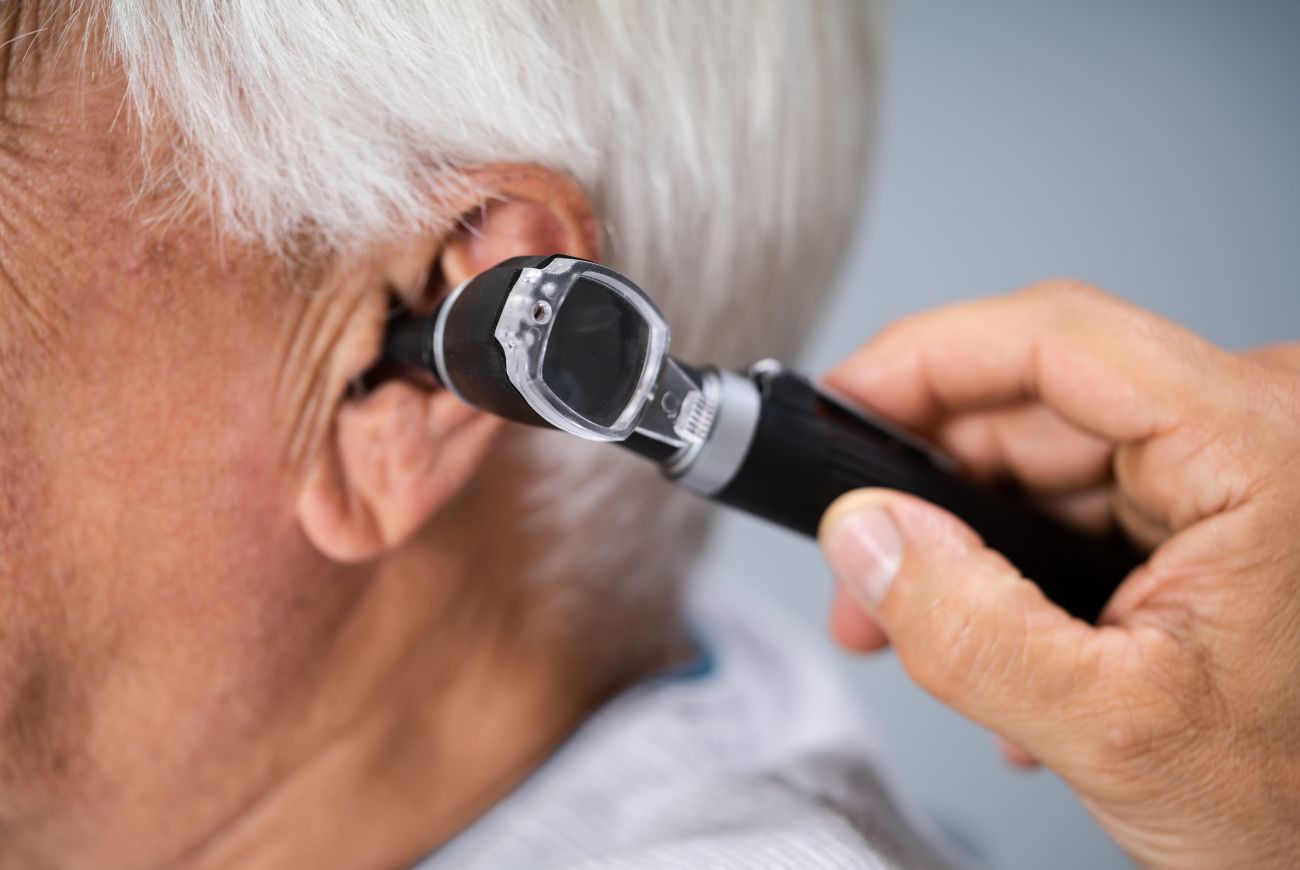
These patients undergo a full clinical evaluation by otorhinolaryngologists (ENT surgeons) and audiologists. An audiogram (hearing test) is conducted to measure the patient’s ability to pick up sounds of different frequencies (pitch). No further testing is required unless specific abnormalities are detected.
What Causes Hearing Loss?
Hearing loss can be a consequence of inner ear dysfunction, where sound does not reach the inner ear due to transmission issues between the outer and middle ear (conductive loss), or a combination of both (mixed loss). This phenomenon, known as sensorineural loss, is the most common form of hearing loss.
The most common cause of sensorineural hearing loss is aging and this is known as presbyacusis. Presbyacusis is believed to be a result of accumulation of insults to the inner ear over time. These insults include loud noises and certain medications, such as aminoglycoside antibiotics. A genetic predisposition also plays a role; some individuals experience more severe loss, despite a similar degree of exposure.
Impact of Hearing Loss
Hearing loss impairs a person’s ability to communicate and appreciate pleasurable sounds, like music. Leaving it untreated can lead to social isolation, anxiety and even depression. The ability to hear also affects personal safety; everyday routines such as crossing the road or listening for alarms become a hazard.
“Heart and Mind” of the Issue
There appears to be some association between cardiovascular disease (CVD) and hearing loss, though the current evidence is inconsistent. Does poor cardiovascular health cause hearing loss or vice versa, or do both arise from some other causative factor? The exact relationship between the two conditions is even less well-studied. One theory on the association between hearing loss and CVD is that diabetes mellitus is a common risk for both conditions. Diabetes can affect smaller blood vessels and compromise the blood supply to the inner ear. Another theory suggests that low levels of high-density lipoprotein (HDL) cholesterol (good cholesterol), an antioxidant, predisposes the inner ear to damage. At the same time, it also elevates the risk of CVD.
The association between hearing loss and dementia is more evident than the association between hearing loss and CVD. Recent analyses of various studies have found that hearing loss is considered the single most important risk factor of dementia; it actually contributes to 10% of the overall risk. As such, the management of hearing loss is increasingly important; timely intervention lowers the likelihood of a costly and devastating event in the future. The concept is very similar to controlling diabetes mellitus to lower the risk of heart attacks.

Hearing Aids and Beyond
There are multiple treatment options for hearing loss; these range from cleaning the ear, to medications, and finally, rehabilitation with hearing aids and implants. depending on the cause and underlying problem.
Traditionally, patients resisted hearing aids because of concerns over stigmatisation, cost and sound quality. Fortunately, a shift in public perception, government subsidies and technological advances have addressed these concerns. These days, patients are more receptive to having hearing aids fitted.
Nonetheless, hearing aids may not be effective for those with more severe hearing loss. For such individuals, a hearing implant may be the optimal management option. The implant allows profoundly deaf individuals to hear, and appreciate the beauty of sounds again.
Article is contributed by Adjunct Assistant Professor David Low, Senior Consultant, Department of Otorhinolaryngology – Head & Neck Surgery at the Changi General Hospital.