
|
What is Fatty Liver and How Is It Linked to Metabolic Health?

Introduction
Many people first ask what fatty liver is after an unexpected blood test or ultrasound scan. The term can sound worrying, but understanding it clearly can help reduce uncertainty and support more informed conversations with a doctor.
Fatty liver can develop for different reasons. In many people, it is closely linked to metabolic health, including how the body manages blood sugar, blood fats, weight, blood pressure and inflammation. When excess fat builds up in the liver, it may be associated with insulin resistance, excess body weight, raised blood sugar, abnormal blood cholesterol levels and other cardiometabolic risks.
This is why fatty liver is not always a liver-only issue. The condition is now commonly discussed under the broader term steatotic liver disease, or SLD, which refers to excess fat accumulation in the liver. In some people, this may involve simple fat build-up. In others, it may progress to a more serious form known as metabolic dysfunction-associated steatohepatitis, or MASH. MASH refers to fatty liver with inflammation and liver cell injury, which may lead to scarring over time and increase the risk of liver cirrhosis and liver cancer.
Understanding what causes fatty liver matters because the same metabolic factors that affect blood sugar, weight, blood cholesterol and heart health can also influence liver health. This makes fatty liver an important condition to view within the wider picture of long-term well-being.
Key Takeaways:
- Understanding what fatty liver is starts with knowing that it is a condition where excess fat builds up in the liver cells, often alongside metabolic factors.
- As fatty liver often develops without obvious symptoms, many people may only discover what fatty liver is after blood tests, liver function tests, ultrasound scans or routine health screening.
- Understanding what fatty liver is also means recognising that it may reflect broader cardiometabolic risks that affect blood sugar control, blood cholesterol, blood pressure, blood vessels and heart health.
An Overview of Fatty Liver and Its Causes
What is fatty liver?
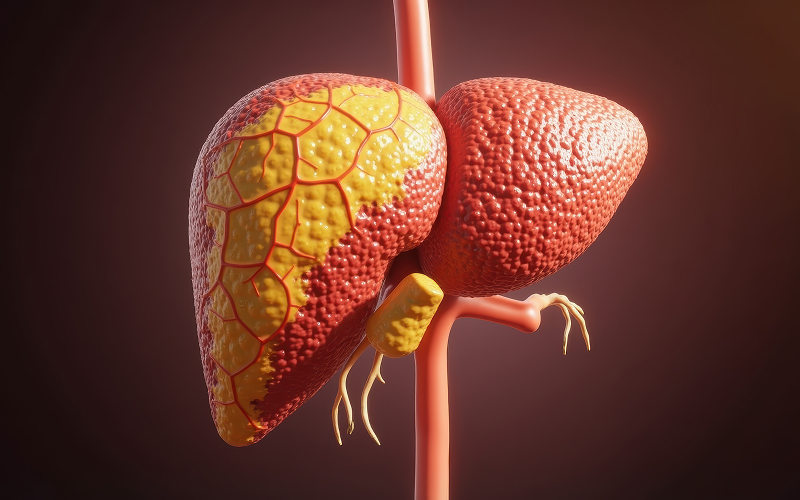
Fatty liver refers to excess fat accumulation in the liver cells, a process medically described as hepatic steatosis. It falls under the broader classification of steatotic liver disease (SLD), which encompasses different forms of liver fat accumulation.
Under this framework, metabolic dysfunction-associated steatotic liver disease (MASLD) refers to fatty liver linked to metabolic risk factors. Alcohol-associated liver disease, or ALD, is associated with excessive alcohol intake.
For those wondering what fatty liver is, it is helpful to think of the condition as a spectrum. In milder cases, it may involve simple fat accumulation in the liver. In more serious cases, it can progress to MASH, which may lead to liver cirrhosis and liver cancer.
Fatty liver disease may progress without noticeable symptoms. Many people may not realise they have the condition. This makes it important to understand what fatty liver is, especially because it can range from mild fat accumulation to more serious liver conditions.
Why fatty liver is becoming more common
Fatty liver was once commonly viewed as a condition mainly linked to excessive alcohol intake or middle age. Today, it is increasingly recognised in people who drink little or no alcohol, including younger adults.
Research involving Singapore populations has suggested that non-alcoholic fatty liver disease is a significant health concern locally. This makes fatty liver awareness relevant not only to older adults or people who drink alcohol, but also to people with sedentary routines, increased belly fat, raised blood sugar, abnormal blood cholesterol or other underlying metabolic risks.
For public awareness, asking what fatty liver is is not only relevant to older adults or people who drink alcohol. It is also relevant to younger adults, people with sedentary routines and people who may have underlying metabolic risks without obvious symptoms.
How fatty liver is classified
Fatty liver disease can be linked to different underlying causes. One group includes people with multiple metabolic risk factors and little alcohol intake. This is known as metabolic dysfunction-associated steatotic liver disease, or MASLD.
Another group includes people whose liver disease is associated with excessive alcohol intake. This is known as alcohol-associated liver disease, or ALD.
This classification reflects that fatty liver is not always caused by alcohol. It can also be closely related to obesity, diabetes, high blood cholesterol and high blood pressure. When someone asks what fatty liver is, the answer should therefore include both liver-related causes and wider metabolic factors.
What are the symptoms of fatty liver?
Fatty liver often develops without clear or noticeable symptoms. In Singapore, many patients may not realise they have the condition because they do not experience obvious signs in the early stages.
When symptoms are present, they may be mild or non-specific. Some individuals may experience persistent fatigue or slight discomfort in the upper right side of the abdomen. Others may only become aware of a possible liver issue after abnormal liver function test results appear during health screening.
As the symptoms can be subtle, many cases are discovered incidentally through routine blood tests, liver function tests or ultrasound scans. Therefore, “What is fatty liver?” becomes an important public awareness question. The condition may not always present with obvious warning signs, so risk factors, screening findings and medical follow-up matter.
What causes MASLD and fatty liver disease?
MASLD and fatty liver disease are closely linked to metabolic risk. Common risk factors include diabetes, obesity, increased belly fat, blood cholesterol problems, high blood pressure and metabolic syndrome. Other associated conditions may also increase the likelihood of fatty liver disease.
1. Diabetes and high blood sugar
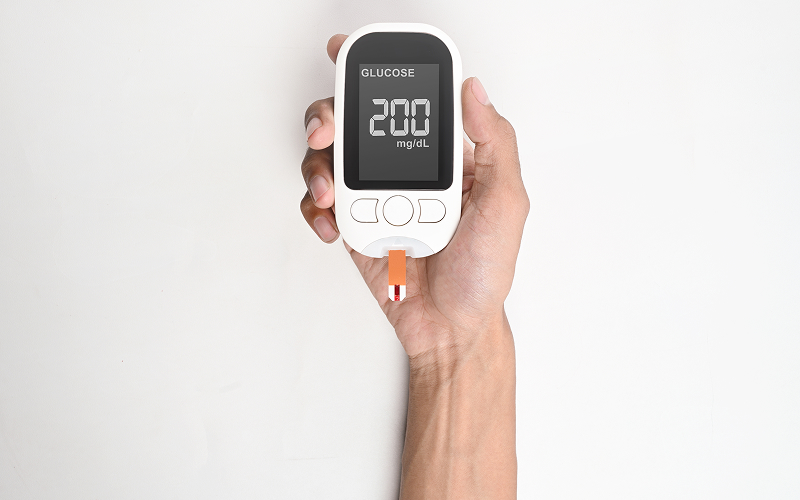
Diabetes is a key risk factor for fatty liver disease. People with type 2 diabetes are more prone to fatty liver because insulin resistance can affect how the body manages glucose and fatty acids.
Persistently high blood sugar may also contribute to fat accumulation in the liver. Excess glucose can be converted into fat and stored in liver cells, potentially worsening health over time. Those who are also trying to understand what diabetes is may find it useful to learn how blood sugar regulation, insulin resistance and liver fat are connected.
2. Obesity and increased belly fat
Obesity is strongly associated with fatty liver disease. For Asian individuals, a BMI above 25 kg/m² is considered a risk factor. Studies have shown that up to 80 per cent of obese people have fatty liver disease.
Increased belly fat, also known as central obesity, is another important risk factor. HealthHub refers to a waistline above 90 cm for Asian men and above 80 cm for Asian women. Excess abdominal fat is closely linked to metabolic dysfunction and insulin resistance, both of which can promote fat storage in the liver.
3. Blood cholesterol problems and elevated blood fats
Blood cholesterol problems, or hyperlipidaemia, are associated with fatty liver disease. High levels of blood cholesterol and triglycerides can encourage fat build-up in the liver.
These fats may be taken up and stored by liver cells, especially when the body’s ability to process and export fat is overwhelmed. This is one reason why fatty liver should be understood alongside blood cholesterol, blood sugar and weight-related risks.
4. High blood pressure
High blood pressure, or hypertension, is another risk factor linked to MASLD and fatty liver disease. It may contribute to vascular changes and inflammation that, over time, affect liver health.
High blood pressure can also develop quietly. While some people search for high blood pressure symptoms, many may not notice clear signs, which is why regular checks and professional advice remain important.
5. Metabolic syndrome
Metabolic syndrome refers to a cluster of conditions that may include obesity, diabetes, high blood cholesterol and high blood pressure. Since MASLD is linked to metabolic dysfunction, people with metabolic syndrome may have a higher risk of developing fatty liver disease.
This cluster of risk factors also explains why fatty liver is not only a question about one organ. It is often a question of how the body is managing energy, fat storage, blood sugar, blood fats and blood pressure as a whole.
6. Other associated conditions
Other conditions associated with MASLD and fatty liver disease include obstructive sleep apnoea, polycystic ovary syndrome, underactive thyroid and underactive pituitary. Autoimmune or inherited liver diseases may also predispose some individuals to fatty liver disease.
Understanding the Link Between Fatty Liver and Metabolic Health
How fatty liver is linked to metabolic health
Fatty liver is closely connected to overall metabolic function because the liver plays an important role in processing fats and sugars. When excess fat builds up in the liver, it may reflect wider strain involving blood sugar regulation, body weight, blood cholesterol levels, blood pressure, inflammation and vascular health.
The role of insulin resistance
Insulin resistance occurs when the body does not respond to insulin as effectively as it should. When this happens, the body may produce more insulin and blood sugar regulation may become less efficient.
This can contribute to fat accumulation in the liver. It also helps explain why fatty liver is often discussed alongside wider metabolic concerns such as pre-diabetes, type 2 diabetes and weight-related health risks.
For someone asking what fatty liver is, insulin resistance is one of the most important links to understand. It helps explain why the liver may store more fat even when the main concern appears to be blood sugar, weight or blood cholesterol.
The connection with type 2 diabetes and obesity
Type 2 diabetes and obesity are strong risk factors for the development and progression of MASLD. Current clinical guidance highlights the importance of case-finding in people with cardiometabolic risk factors, especially when type 2 diabetes or obesity with additional risk factors is present.
However, fatty liver does not affect only people with obesity. Excess body weight, particularly around the waist, can increase metabolic strain and contribute to liver fat accumulation, but fatty liver may also occur in people outside the typical obesity profile.
Understanding what fatty liver is can be useful even for someone who does not see themselves as at high risk. Body size alone does not provide the full picture of liver health or metabolic risk.

Abnormal blood cholesterol and triglycerides
Blood lipid patterns can also be linked to fatty liver. Higher triglycerides, lower HDL cholesterol or other lipid abnormalities may reflect underlying metabolic dysfunction.
This connection matters because the liver is central to how the body processes fats and sugars. When there is a wider metabolic imbalance, the liver may be more vulnerable to fat accumulation and related changes.
Why fatty liver can signal wider cardiometabolic risk
Fatty liver can be a sign that broader cardiometabolic risks should be considered. The liver does not function in isolation. It interacts with blood sugar regulation, fat metabolism, inflammation and vascular health.
Research findings have shown that participants with NAFLD had a higher burden of metabolic risk factors, including higher blood pressure and BMI. Patients with NAFLD have also been reported to face a higher risk of cardiovascular disease. A Singapore research team from Nanyang Technological University, Singapore and the National University of Singapore found that NAFLD may prompt the over-production of proteins that cause inflammation and blood vessel damage.
The research team also found a higher level of blood vessel damage in NAFLD patients, which may increase the risk of blood clots and cardiovascular disease.
As such, “What is fatty liver?” should not be viewed only as a liver-related question, as it may indicate the need to consider the bigger picture of heart health, metabolism and lifestyle-related risk factors.
Fatty liver awareness can also prompt people to look more closely at related health markers, such as blood pressure, blood cholesterol, blood sugar, waist circumference and lifestyle risk factors. This makes the topic relevant to heart health education, as the same habits and metabolic risks that affect liver health can also influence cardiovascular well-being.
For the Singapore Heart Foundation, this connection is especially relevant to public education. Our heart health promotion and awareness work helps people understand risk factors more clearly, not as isolated medical terms but as connected parts of long-term health.
How fatty liver is usually detected
Fatty liver is usually detected through a combination of clinical assessment, blood tests and liver imaging. Doctors may review a patient’s medical history, perform a physical examination and use test results to check for signs of liver fat, inflammation, scarring or other liver conditions.
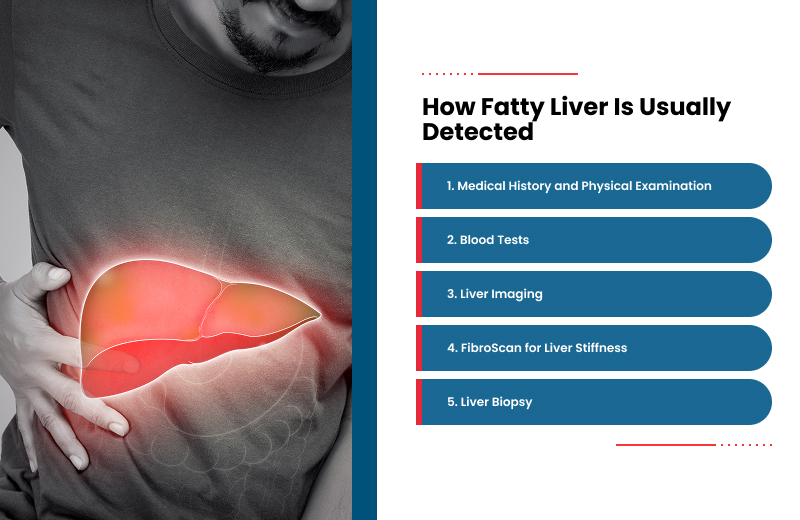
1. Medical history and physical examination
Diagnosis often begins with a review of the patient’s health background and a physical examination. A doctor may ask about alcohol intake, weight changes, diabetes, blood cholesterol levels, blood pressure, medication use, family history and other health conditions.
2. Blood tests
Blood tests, including liver function tests, are commonly used when assessing fatty liver. These tests may check liver enzymes such as ALT and AST, which can be elevated when there is liver inflammation or liver damage.
Other blood tests may also be needed to estimate disease severity or rule out other liver diseases. Depending on the person’s risk factors, a doctor may also assess blood sugar, blood cholesterol and other cardiometabolic markers.
3. Liver imaging
Imaging tests can help detect fat accumulation in the liver. Ultrasound is commonly used as a non-invasive method to identify fatty liver.
Other imaging studies, such as CT or MRI scans, may also show fat in the liver. In Singapore, fatty liver may also be identified through ultrasound imaging and comprehensive screening packages.
This is one practical reason to understand what fatty liver is. If it appears on a scan or screening report, it should prompt a clearer discussion about risk factors.
4. FibroScan for liver stiffness
FibroScan is a specialised imaging test that measures liver stiffness. This can help assess the degree of fibrosis or liver scarring.
Further evaluation may be recommended in some cases to understand the extent of scarring and identify patients at higher risk of disease progression.
5. Liver biopsy
A liver biopsy may be required when doctors need to stage the disease or confirm the extent of inflammation or fibrosis. It may also be recommended if the diagnosis is unclear or if advanced liver disease is suspected.
Not everyone with fatty liver will need a liver biopsy. The decision depends on clinical assessment, test results and the doctor’s judgement.
Reversing fatty liver: what Singaporeans should understand
Early-stage fatty liver disease can often be reversed, especially when it is managed before more serious liver damage develops. Treatment usually begins with lifestyle intervention, as sustained changes can help reduce liver fat and lower the risk of progression to inflammation or fibrosis.
For many people, learning what fatty liver is is the first step towards understanding how the condition may be influenced by daily habits and metabolic risk management.
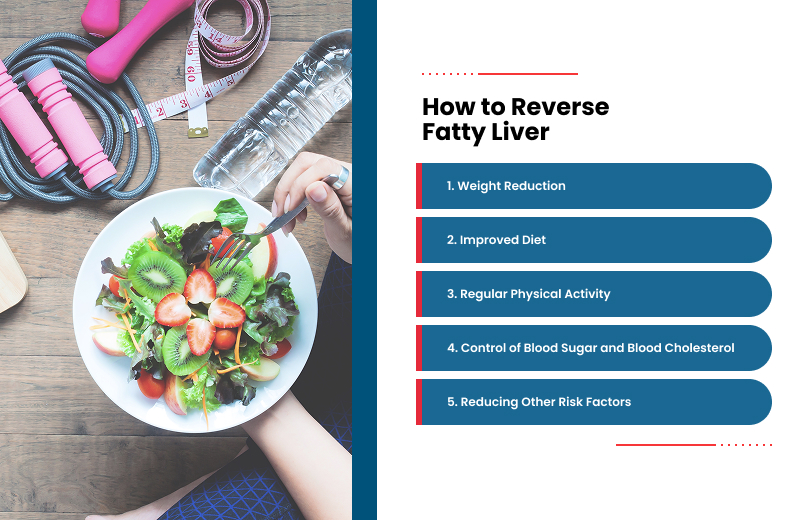
1. Weight reduction
Weight loss is one of the main management goals for fatty liver disease. Doctors may recommend gradual and sustained weight reduction of at least 7 per cent to 10 per cent of body weight.
This level of weight loss has been shown to significantly reduce liver fat. In some patients, it may also help reverse inflammation and fibrosis.
2. Improved diet
Dietary changes are an important part of managing fatty liver and metabolic syndrome. A nutritious diet that is low in refined sugar and saturated fat can help improve blood sugar and blood cholesterol control.
A healthier eating pattern may include fruits, vegetables, whole grains and lean proteins. For someone with fat build-up in the liver, the focus should be on practical and sustainable improvements rather than extreme restriction.

3. Regular physical activity
Regular exercise is also part of fatty liver management. Low- to medium-intensity activities, such as brisk walking or strength training, may be recommended.
For metabolic syndrome, regular exercise aiming for at least 150 minutes of moderate-intensity aerobic physical activity weekly can help reduce insulin resistance, improve blood pressure and support weight loss.

4. Control of blood sugar and blood cholesterol
Managing diabetes, blood cholesterol and blood pressure is important when fatty liver is linked to metabolic health. Some patients may require medications such as blood pressure medicine, statins to lower blood cholesterol or diabetes medication to manage blood glucose.
However, medication alone is not sufficient. Sustainable lifestyle changes remain important for long-term management and prevention.
People with elevated blood sugar may also benefit from understanding a healthy blood sugar range and what their own results mean in relation to their age, medical history and doctor’s advice.
5. Reducing other risk factors
Reducing sedentary behaviour can support better metabolic health. Patients may also be advised to avoid alcohol, refrain from smoking and limit habits that contribute to metabolic syndrome.
Overall, fatty liver management usually depends on a combination of lifestyle changes and, where needed, medication to control related conditions such as diabetes, high blood cholesterol or high blood pressure.
This is where lifestyle changes for fatty liver should be seen as long-term support rather than a quick fix. For public health, the message is reassuring: earlier awareness can give people more time to act before complications develop.
Fatty liver awareness in Singapore’s preventive health context
Fatty liver awareness should be seen as part of a broader preventive health conversation, especially because many metabolic conditions can develop quietly. In this context, asking what fatty liver is becomes a useful health education question for the general public.
A person may not notice obvious symptoms, yet underlying risk factors such as high blood sugar, high blood pressure, abnormal blood cholesterol and sedentary habits may already be affecting the liver, heart, blood vessels and metabolism. Understanding what fatty liver is can turn uncertainty into clarity by encouraging people to look beyond a single test result and consider practical areas that can be checked, monitored and discussed with a healthcare professional.
This also connects naturally with heart-health education, as the same lifestyle and metabolic risks that influence liver health can affect long-term cardiovascular well-being. While fatty liver awareness is mainly part of preventive health education, it can also sit within a broader public health effort that helps people understand long-term heart risks, recognise the value of early action and stay informed about community preparedness.
Frequently Asked Questions
1. Can fatty liver happen without symptoms?
Yes. Many people with fatty liver have no obvious symptoms. Some may experience persistent fatigue or mild discomfort in the upper right abdomen, while others only discover the condition through blood tests or ultrasound scans.
This is why it is useful to ask what fatty liver is, even when someone feels generally well. Silent conditions can still carry important health meaning, especially when linked to metabolic risk factors.
2. Can someone who is not overweight still have fatty liver?
Yes. Although fatty liver is closely linked to obesity and metabolic syndrome, it can also occur in younger or thinner individuals, including those without high blood pressure.
Body weight is only one part of the picture. Blood sugar control, blood cholesterol levels, waist measurement, alcohol intake, medical history and other conditions may also be relevant.
3. Why is fatty liver often found during health screening?
Fatty liver often has no obvious symptoms, so many people may not realise they have it. It is commonly detected through abnormal liver function tests, ultrasound scans or comprehensive screening packages.
A screening result should not be ignored, but it also should not be treated as a reason to panic. It can be a starting point for further assessment and a more informed discussion with a doctor.
Conclusion
Fatty liver can have several causes, but many are closely linked to metabolic health. Factors such as insulin resistance, elevated blood sugar, excess body weight, abnormal blood cholesterol levels and high blood pressure can all contribute to fat build-up in the liver.
This is why fatty liver should not be viewed only as a liver condition. Its connection with metabolic dysfunction means it can also reflect wider risks affecting the heart, blood vessels and long-term health.
By connecting awareness of fatty liver with broader heart and metabolic health education, readers can better understand why the causes of fatty liver matter beyond the liver itself. Fatty liver may point to wider risk factors such as high blood pressure, abnormal blood cholesterol, raised blood sugar, excess weight and sedentary habits, which are also relevant to long-term heart health.
Understanding what fatty liver is can help turn uncertainty into clarity and support more informed, measured decisions about screening, lifestyle changes and medical follow-up.


