|
What You Need to Know About Anti-Coagulants
What are anti-coagulants?
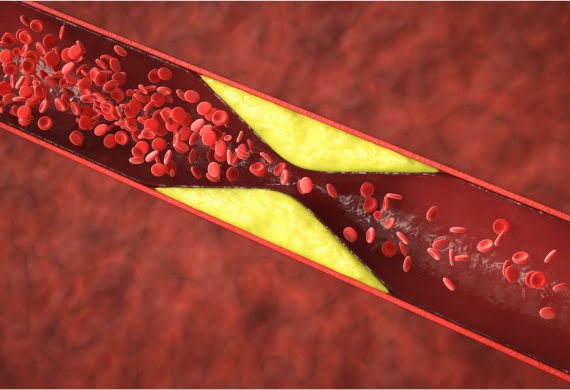
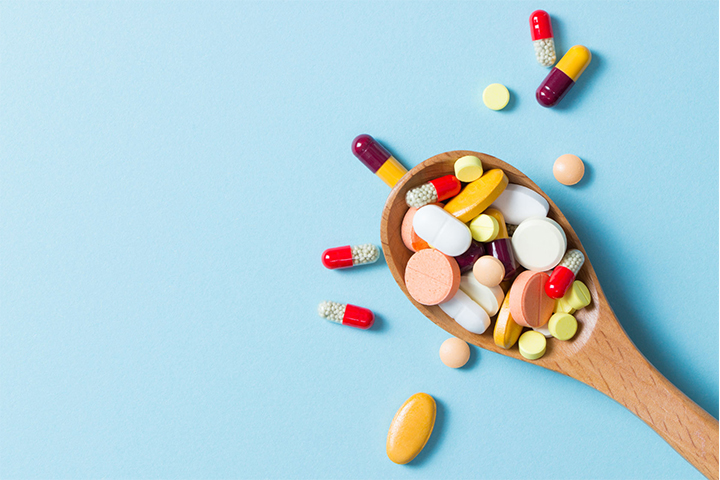
Anti-coagulants are medications that prevent the formation of clots in an artery, a vein or the heart and prevent existing clots from enlarging.
What are anti-coagulants used for?
There are various conditions or reasons why anti-coagulant therapy may be prescribed and they include:
- Atrial fibrillation – an abnormally rapid heart rhythm condition
- To reduce the increased risk of a stroke or heart attack after certain surgeries
- To prevent unwanted blood clots after insertion of mechanical valves or stents
There is an increased tendency for blood to clot excessively or too easily in the above conditions. The resultant clots formed may cause poor blood circulation or block a blood vessel, which may lead to a heart attack, stroke, tissue damage or death. Thus, anti-coagulants are prescribed for prevention.
Types of anti-coagulants
- Warfarin
- Novel Oral Anti-Coagulants (NOAC)
- Low-Molecular Weight Heparins and Unfractionated Heparin
Warfarin
How does it work?
Warfarin prevents the activation of vitamin K, an essential step in the blood clotting process.
How is the dosage determined?
The warfarin dosage is based on a blood test called the International Normalised Ratio (INR). The INR test measures how easily blood clots. Your doctor will decide the INR target range for your condition. If the INR result is above your target (too high), it means that the blood takes a longer time to form clots, increasing the risk of bleeding. Conversely, if the INR result is below your target (too low), blood may take a shorter time to form clots, and hence tend to clot more easily. Your doctor may require you to take frequent blood tests at the beginning of the treatment to determine your body’s reaction to warfarin and the suitable dosage for you. Based on your INR results, your doctor will tell you if you need to change your dose and when you will need the next blood test. Once you are on a regular dosage, you do not need to do the blood test as often, unless you get sick, change your medication regimen or change your diet.
Small changes in doses may lead to significant changes in INR and other undesirable side effects. Hence, it is important to take your dosage as prescribed by your doctor to prevent fluctuations in your INR level. Different warfarin manufacturers may have minute differences in their tablet content and there may also be differences in the way the warfarin is absorbed by the body. Hence, it is a good practice to keep to the same brand of warfarin that you are on. The two brands of warfarin that are sold in Singapore are Marevan and Apo-Warfarin. Make it a point to recognise the colours of the warfarin tablets which you are taking.
Below is a chart of the warfarin tablets, showing the different colours and strengths for each brand.

Additional things to note when taking warfarin
-
Many food interactions
The efficacy of warfarin can be affected by the amount of vitamin K in our diet. This does not mean that we have to avoid vitamin K in our diet. The initial INR levels measured would have factored in the amount of vitamin K in your usual diet. It is advisable to keep to a consistent level of vitamin K in your diet and not make drastic changes. Examples of foods rich in Vitamin K are shown in the table below.
| Food | Amount of Vitamin K Content | ||
| Low | Moderate | High | |
| Beverages | Coffee Milk Soybean Milk |
Green tea Herbal tea |
|
| Cereals & Grain | Bread Cereal Pasta rice |
||
| Dairy & Egg | Butter Cheese Egg |
Margarine | |
| Meat | Beef Chicken Pork Seafood |
Liver | |
| Vegetables | Carrot Cauliflower Celery Cucumber Garlic Mushroom Onion Potato Tomato |
Broccoli Brussels sprout Cabbage Coleslaw Lettuce Parsley Seaweed Spinach Spring Onion |
|
| Fruits | Apple Banana Grapes Orange |
Avocado | |
-
Many drug interactions
Many medications can change the way warfarin works, so inform your doctor and/or pharmacist about all the medications which you are taking. That includes prescription or over-the-counter medicines, herbs and vitamins e.g. aspirin, ginseng, gingko biloba and evening primrose oil.
Novel Oral Anti-Coagulations (NOACs)
NOACs are the newest class of anti-coagulation agents. They work by inhibiting a clotting factor directly. The 3 NOACs in Singapore are:
- Apixaban (Brand name: Eliquis)
- Dabigatran (Brand name: Pradaxa)
- Rivaroxaban (Brand name: Xarelto)
NOACs are easier to use, as they do not have a small safety window like warfarin and they do not require extensive blood tests. They are easily available as oral tablets.
With the exception of dabigatran, there are no agents for rapid reversal of their effects, in the event of an overdose.
Low-Molecular Weight Heparins and Unfractionated Heparin
These are molecules that inhibit a clotting factor required to commence the clotting mechanism, to stop clots from forming.
This is a popular choice for the in-patient setting, as they take a short time to act. Their effects are easily reversible in the event of an over anti-coagulation and they do not last for a long period of time in our body, making it easy for physicians to control the anti-coagulation effect needed in a short time.
However, they are only available in injectable form. Hence, they are not widely used in the out-patient setting, due to the inconvenience.
Low-molecular weight heparins are available as:
- Enoxaparin (Brand name: Clexane)
- Nadroparin (Brand name: Fraxiparine)
- Tinzaparin (Brand name: Innohep)
Unfractionated heparin (UFH) was the first anti-coagulant discovered in 1916. The discovery of low molecular weight heparin (LMWH) was based on unfractionated heparin and both heparins are similar in terms of its uses and benefits. However, UFH can only be given intravenously (through a vein directly into the bloodstream) whereas LMWH can be given subcutaneously (under the skin) or in out-of-hospital situations. UFH may require extensive blood tests and closer monitoring of its effects. UFH also tends to be affected by other protein-binding drugs to a greater extent and hence has more drug interactions. However, UFH has been studied more widely and is usually more affordable than LMWH.
What to take note of when taking anticoagulants?
The most common side effect is bleeding from any part of your body. The bleeding can be minor or sometimes serious and dangerous. Hence, it is important to recognise any signs of bleeding in your body. A visit to the doctor to readjust your dosage may be required.
Major signs of bleeding
- Unexpected or severe bruising
- Pink or red urine
- Black tarry stools or blood in your stools
- Gum bleeding
- Nose bleeding
- Coughing up blood
- Bleeding that takes a long time to stop
- Sudden severe and persistent headache, dizziness or weakness
- A fall or injury to your head or face
- Menstrual bleed that is heavier than normal
To avoid the risk of bleeding and bruising:
- Use a soft-bristled toothbrush when brushing.
- Reduce fall risk by clearing walkways of furniture and other obstacles within your home, to create a clear walking path.
- Prevent falls by installing handrails in places where you need the extra support, or use a walking cane if necessary.
- Use saline nasal sprays or humidifiers at home to help keep your nostrils moist and prevent your nose from drying out, to reduce the risk of nosebleeds.
If your anti-coagulation medication is not adequate, clots will form easily in your body and you may experience signs and symptoms of clotting. This is also dangerous as the blood clots may break off and travel to your lungs, legs and brain, blocking off circulation in the affected areas. A visit to the doctor to readjust your dosage may be required.
Major signs of blood clots
- Clots in the legs (deep vein thrombosis) may cause swelling, warmth, redness, pain and numbness in your legs.
- Clots in your heart (heart attack) and lungs (pulmonary embolism) may cause unexplainable shortness of breath, sharp chest pains, upper body discomfort or numbness in the arms, back, neck or jaw.
- Clots in your brain (stroke) may cause weakness on one side of the body, headaches, blackouts, dizziness, unexplained loss of sensation, slurred speech or visual disturbances.
What if I miss a dose?
Keep to your regular timing for medications when taking anti-coagulants. Your body may not have adequate anticoagulants to prevent blood clots from forming, if you miss a dose. Taking doses too near each other or double dosing, will thin your blood and bleeding may occur. The various anti-coagulants have specific instructions on how to manage a missed dose. Make sure to consult your pharmacist or doctor, if you are unsure.
Other things to note
- Inform your doctor if you are pregnant, intend to get pregnant or are breastfeeding. A change to a more suitable anti-coagulant may be required.
- Inform your doctor or dentist that you are taking anti-coagulants before any operation or dental procedure. This is to prevent any excessive bleeding due to the procedure.
- As your risk of bleeding is greater, be careful if you are engaged in activities with a high risk of injury.
- Inform your doctor if you are taking any other medications or supplements. This is to ensure that they will not interact with the anti-coagulants in your body and cause the effect to become greater or weaker than intended.
Article contributed by Mr Chai Zheng Hao, a pharmacist at Parkway East Hospital Pharmacy.