|
When Young Heroes Step Up
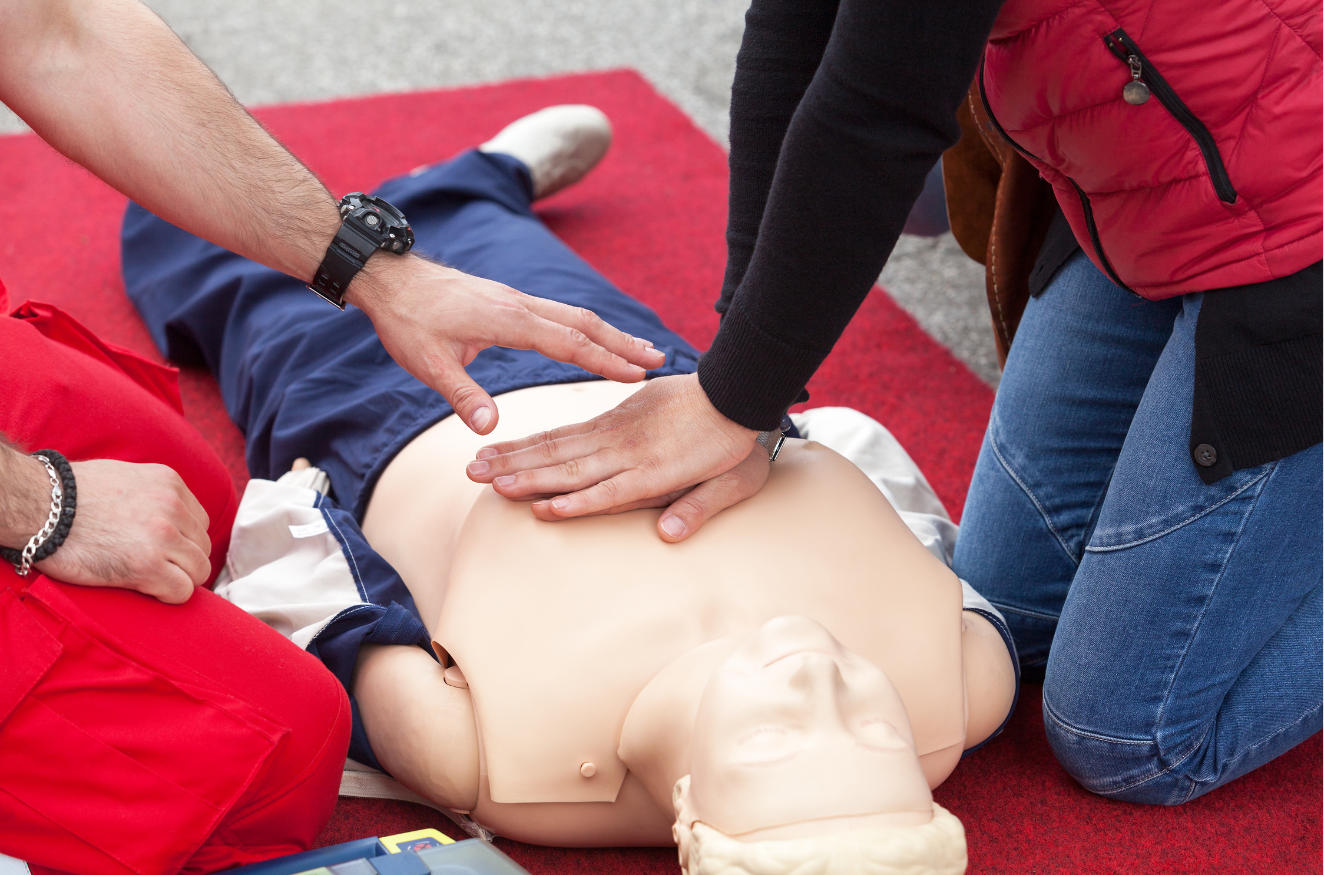
A cardiac emergency can happen anywhere, at any time. When it does, every second before the ambulance arrives can mean the difference between life and death. While many may hesitate, 17-yearold Mark and 15-year-old Joshua step up. As Community First Responders (CFRs), they answer alerts for suspected cardiac arrests and fire incidents, putting their training into action even before professional help reaches the scene. Their stories are a powerful reminder that the ability to save a life is not defined by age but by the courage to act.
Anybody can help. Even if you are not doing CPR, you can call for help, calm family members or assist emergency responders. Every action makes a difference.
A chance encounter that changed everything
For Mark, his journey into life-saving began almost by chance.
Learning CPR was initially just another requirement as part of his Scouts training. Like many students, Mark completed the course because he had to. But one afternoon, everything changed. His elder brother, a former Singapore Civil Defence Force (SCDF) firefighter, invited Mark to accompany him to a nearby cardiac arrest incident.
Witnessing the urgency of the situation left a lasting impression. That very day, Mark
downloaded the myResponder app and signed up as a Community First Responder.
Since then, he has responded to five cardiac arrest cases and two fire incidents, putting
his life-saving skills into action when they are needed most.
Turning passion into purpose
Joshua’s journey began even earlier. From a young age, he was fascinated by firefighters
and emergency responders. Weekend visits to Fire Station Open Houses became a cherished family tradition, and he eagerly signed up for every safety workshop he could attend.
When Mark introduced him to the myResponder app, Joshua did not hesitate. Determined to become a Community First Responder, he set out to complete CPR and AED training. Finding a training provider that accepted younger participants was not easy, until the Singapore Heart Foundation (SHF) gave him the opportunity.
Armed with life-saving skills, Joshua quickly became an active Community First Responder. Since then, the 15-year-old has responded to 15 cardiac arrest incidents and
13 fire-related cases. His experiences have only strengthened his passion for helping
others — and one day, he hopes to fulfil his dream of becoming a paramedic.
Running towards an emergency
When an alert comes in, there is no time to hesitate. Both teenagers keep their first-aid kits packed and ready. Mark often runs to nearby incidents, carrying essential supplies in his backpack. Joshua has taken it one step further. He rides a specially prepared bicycle for emergency response. It even carries a sign explaining why he parks it near emergency scenes.
“I’m not a maniac,” it reads. “I’m just trying to save lives.” The sign often brings a smile,
but behind it lies a serious purpose: reaching someone in need as quickly as possible.
The calls they never forget
Not every emergency ends in a life saved. One call has stayed with Mark. He was celebrating a friend’s birthday when his phone alerted him to a nearby cardiac arrest.
Without hesitation, he excused himself, rushed to retrieve an Automated External Defibrillator (AED), introduced himself to the family and immediately began performing CPR. Despite the combined efforts of everyone at the scene, the victim could not be revived.
“It was difficult,” Mark reflects. “But every emergency teaches you something, and
every response makes you a little more prepared for the next.”
For Joshua, his first emergency remains unforgettable — not because of the medical
procedures, but because of the confusion. The location was difficult to find. Family members were panicking. When he arrived, another CFR had already begun CPR while he searched for the correct unit with the SCDF officers. “It showed me how important it is to stay calm,” he says.
Inspiring the next generation
Despite their passion, both admit that few of their peers have chosen the same path. Many
believe that they are too busy, too young or unlikely to ever need to use CPR. Mark hopes
more young people will think differently.
“You will never know when you need to use these skills,” he says. “It could happen at
home, at school or even while you’re talking to your friends.” Joshua agrees.
“Anybody can help,” he says. “Even if you are not doing CPR, you can call for help,
calm family members or assist emergency responders. Every action makes a difference.”
Ordinary teenagers with extraordinary hearts
Neither Mark nor Joshua sees themself as a hero. One dreams of becoming a Fire Rescue Specialist. The other hopes to wear a paramedic uniform. Their stories remind us that life-saving does not begin when the ambulance arrives. It begins with someone willing to step forward. Because when every second counts, the courage to act can make all the difference.