
|
Why Is My Heart Beating So Fast While Resting
Key Takeaways:
What to Know About a Fast Heartbeat While Resting
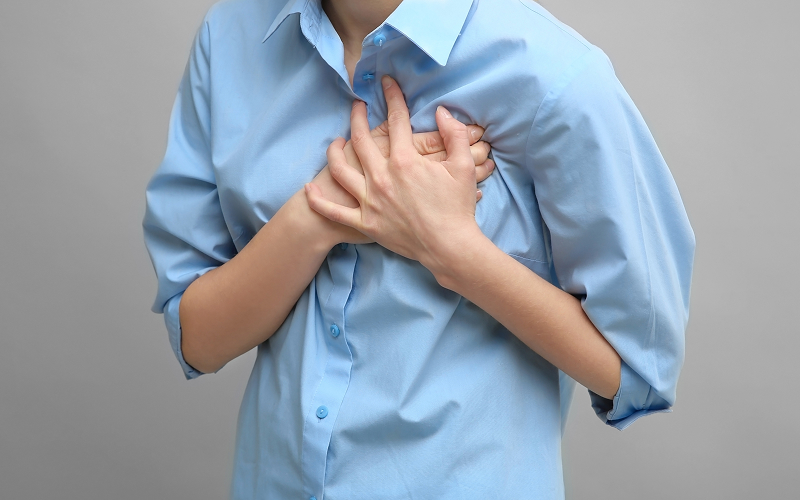
- To understand the question “Why is my heart beating so fast while resting?”, it may be helpful to consider heart palpitations, which can cause sensations such as racing, fluttering, pounding or irregular heartbeats.
- Palpitations can occur even when you are calm or inactive and may last from a few seconds to several minutes.
- A resting heart rate above 100 beats per minute may be considered tachycardia and should be monitored if it occurs frequently.
- Recognising associated symptoms such as chest pain, dizziness or fainting is critical to responding promptly.
- Early awareness of abnormal heart rates can prevent serious complications, including cardiac arrest.
Introduction
Feeling your heart race, flutter or pound while you are resting can be unsettling. Many people suddenly notice their heartbeat when lying in bed, sitting quietly or relaxing at home. The immediate question that often comes to mind is: Why is my heart beating so fast while resting?
These sensations are commonly known as heart palpitations. While occasional palpitations are common and often harmless, repeated or persistent episodes may indicate that the body is responding to stress, lifestyle factors or an underlying health condition. Understanding what these sensations mean is an important step toward protecting long-term heart health.
What Are Heart Palpitations?
Heart palpitations refer to sensations that feel different from a person’s normal heartbeat. Instead of a steady rhythm, the heartbeat may feel unusually strong, irregular or rapid.
People commonly describe palpitations in several ways:
- A racing or rapid heartbeat
- Fluttering or quivering sensations
- Pounding or forceful beats
- Skipped or irregular beats
These sensations are typically felt in the chest but may also be noticeable in the throat or neck. Episodes may last only a few seconds, although some continue for several minutes.
Palpitations can occur during exercise, emotional stress or physical activity. However, they can also appear unexpectedly during periods of rest. When this happens, many people begin to wonder why their heart is beating so fast while resting, especially if the sensation occurs repeatedly.
When a Resting Heart Rate Becomes Too Fast
For most adults, a normal resting heart rate ranges between 60 and 100 beats per minute. A resting heart rate above 100 beats per minute is generally considered elevated and may be referred to medically as tachycardia.
During episodes of tachycardia:
- The heart may beat between 100 and 300 beats per minute
- The episode may begin suddenly and stop just as quickly
- Some individuals may not experience noticeable symptoms
A fast resting heart rate becomes more concerning when it occurs frequently, lasts longer than expected, or appears alongside other symptoms.
These symptoms may include dizziness, breathlessness, chest discomfort or fainting. Persistent tachycardia can place additional strain on the cardiovascular system over time and may be associated with an increased risk of heart disease.
Monitoring heart rhythm patterns and seeking medical advice when symptoms persist helps ensure that potential issues are identified early.
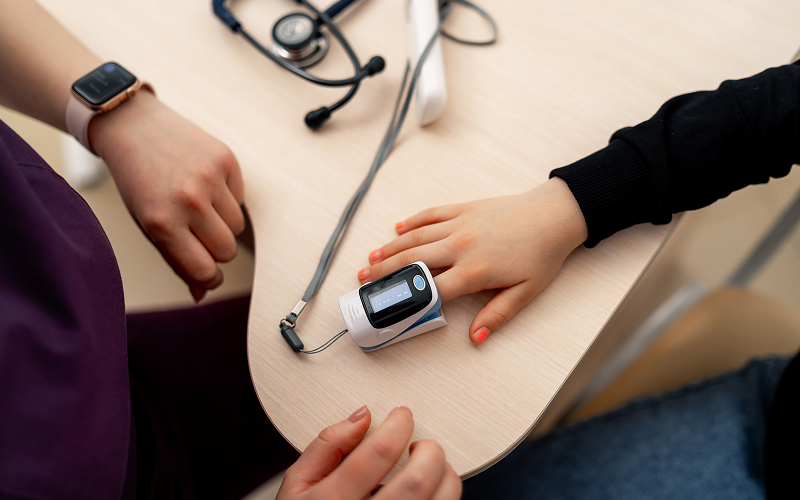
What are the Common Symptoms That Accompany a Fast Resting Heartbeat?
When individuals wonder, “Why is my heart beating so fast while resting?” They may begin to notice several accompanying sensations that signal the heart rhythm has temporarily changed.
1. Fluttering Sensation
A light, vibrating feeling in the chest may come and go quickly. Some people describe this as a brief trembling sensation near the heart.
2. Racing Heartbeat
The heart feels as though it is beating much faster than usual, even without physical exertion.
3. Pounding or Thudding Beats
Each heartbeat may feel unusually strong or forceful, particularly when lying down or resting quietly.
4. Skipped Beats
A sensation of missed or extra beats may occur, sometimes followed by a stronger heartbeat.
5. Chest Discomfort
Some individuals notice mild pressure or unease in the chest. This differs from the intense pain typically associated with a heart attack but should still be monitored.
6. Shortness of Breath
A feeling of difficulty breathing or not getting enough air may accompany rapid heart rhythms.
7. Dizziness or Lightheadedness
Changes in heart rhythm can affect blood flow to the brain, sometimes causing unsteadiness or fainting.
8. Anxiety
The sensation itself may trigger worry or panic, which can further increase heart rate.
These symptoms may appear alone or together and may vary in intensity between individuals.
What are the Causes and Risk Factors of a Fast Heartbeat at Rest?
A fast resting heart rate can arise from many factors. In some cases, lifestyle habits temporarily stimulate the heart. In others, underlying health conditions may be responsible.
1. Stress and Anxiety
Emotional stress activates the body’s fight-or-flight response, which releases hormones that increase heart rate. Panic attacks often involve sudden palpitations, even when a person is physically inactive.
2. Caffeine Consumption
Caffeine stimulates the nervous system. High intake from coffee, tea, soft drinks or energy drinks can trigger palpitations, particularly in individuals who are sensitive to stimulants.
3. Nicotine Use
Nicotine raises both heart rate and blood pressure. Smoking or using other nicotine products may lead to temporary palpitations shortly after use.
4. Alcohol Intake
Alcohol can interfere with the heart’s electrical signals that regulate rhythm. Episodes of irregular heartbeat may occur after heavy or binge drinking.
5. Hormonal Changes
Hormonal fluctuations can influence heart rhythm. Palpitations may occur during menstruation, pregnancy or menopause. Thyroid hormone imbalances can also cause the heart to beat unusually fast.
6. Heart Conditions
In some cases, palpitations may result from underlying heart problems such as:
- Arrhythmias (abnormal heart rhythms)
- Heart valve disorders
- Heart failure
- Structural heart abnormalities
When symptoms occur frequently or worsen over time, medical evaluation becomes important.
Building Confidence Through Life-Saving Skills
Experiencing occasional palpitations does not necessarily indicate a serious health problem. Many people notice temporary changes in their heartbeat from time to time, especially during periods of stress, fatigue or caffeine consumption. Even so, paying attention to changes in heart rhythm can provide useful signals about overall cardiovascular health and help individuals recognise when symptoms may require further medical attention.
Most episodes of a fast heartbeat while resting are harmless and resolve on their own. However, understanding more serious cardiac events remains important for public awareness. In rare situations, a sudden and severe disruption to the heart’s rhythm can lead to life-threatening conditions that require immediate intervention.
One such condition is cardiac arrest. People may ask what cardiac arrest is when discussing heart emergencies. Cardiac arrest occurs when the heart suddenly stops pumping blood effectively, leading to a loss of consciousness and the absence of normal breathing. Without immediate assistance, the brain and other vital organs are deprived of oxygen within minutes.
For this reason, heart health awareness extends beyond recognising symptoms. It also involves equipping communities with the knowledge and skills needed to respond during emergencies. Attending a CPR course provides practical training in recognising cardiac arrest, performing chest compressions and using Automated External Defibrillators (AEDs) safely while waiting for help to arrive.
Developing these life-saving skills helps strengthen community readiness and ensures that more people are able to respond confidently during cardiac emergencies. This is important when someone experiences sudden symptoms and wonders why their heart is beating so fast while resting.
Singapore Heart Foundation supports individuals across the community through heart health education, rehabilitation programmes, public awareness campaigns and support services for patients and families. These initiatives also include opportunities for the public to obtain CPR+AED certification, helping more people develop the skills and confidence to respond effectively during cardiac emergencies.
Together, these efforts encourage long-term cardiovascular wellness through knowledge, prevention, and empowerment.


