|
Xanthelasma: A Sign of High Blood Cholesterol

Cholesterol is a waxy, fatty substance found in the cell walls of various organs in our body, from the nervous system to the liver to the heart. Our body uses cholesterol to make hormones, bile acids, vitamin D and other substances.
Cholesterol circulates in the bloodstream in compounds known as lipoproteins, which are combinations of cholesterol and protein. There are two main types of lipoproteins: Low-density lipoprotein (LDL), also known as the bad cholesterol; and High-density lipoprotein (HDL), the good cholesterol. However, when your HDL and LDL balance is off, it will lead to the development of fatty deposits.
Cholesterol Bump On Eyelid
One way to spot fatty deposits will be the appearance of soft yellowish cholesterol bumps on the eyelid, known as Xanthelasma. Xanthelasma usually appears on the upper and lower eyelids, adjacent to the nose.
These lumps may remain the same size or grow very slowly and overtime join together to form larger lumps. While they are usually harmless and do not cause any symptoms such as pain or itch, but xanthelasma may be troubling due to its appearance as it could cause the eyelid to droop.
Cholesterol deposits around the eyelids can appear at any age but are more likely to develop during a person’s middle years. They are more common in women than men. It is also one of the most common skin conditions often linked to high blood cholesterol levels. People with these cholesterol bumps on their eyelids may have an increased likelihood of developing atherosclerosis and heart disease.
What Are The Causes of Developing Cholesterol Deposits?Dyslipidemia
People who may develop xanthelasma are those with dyslipidemia (unhealthy levels of one or more kinds of lipid/fat in the blood):
- High levels of Total Cholesterol: <200mg/dL
- High levels of Triglycerides: <200mg/dL
- High levels of LDL cholesterol: <60mg/dL
- Low levels of HDL cholesterol: >40mg/dL
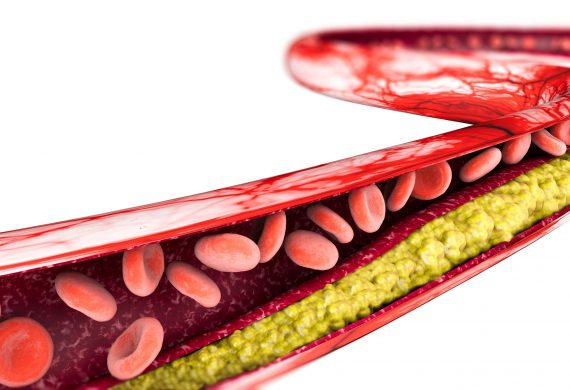
Dyslipidemia increases the risk of cholesterol build-up on the walls of arteries, which can restrict blood flow to the heart, brain and other areas of the body. It also increases the risk of angina, heart attack, stroke and peripheral arterial disease.
Genetic factors
- Familial dyslipoproteinemia – a genetic condition that causes higher lipid levels
- Familial hypercholesterolemia – inherited high blood cholesterol
- Familial hypertriglyceridemia – a genetic condition that causes higher levels of triglycerides
- Deficiency of familial lipoprotein lipase (an enzyme that breaks down lipids)
Lifestyle factors
- Diet high in saturated fats and low in fibre
- Excessive alcohol consumption
- Lack of physical activity
- Obesity
- Smoking
Certain Medications
Medications like beta-blockers, oral contraceptives, retinoids, and anabolic steroids, may lead to an increased risk of developing cholesterol deposits.
Who Are At Risk?
You may be at a higher risk if you have one or more of the following risk factors:
- Female
- Middle-aged (between 30 and 50)
- Asian or Mediterranean descent
- Smoke
- Have kidney disease
- Have hypothyroidism (too much thyroid in the body)
- Have a family history of
- High blood cholesterol
- Diabetes
- Heart disease
- High blood pressure
How Is It Diagnosed?
Xanthelasma has a distinctive appearance and is usually diagnosed through visual examination. However, some doctors might run a blood test (including measurements of HDL and LDL cholesterol, triglyceride, and apolipoprotein B100 levels) to determine your lipid levels.
Other doctors might take additional tests for diabetes and liver function, and possibly recommend a formal cardiovascular risk assessment.
How Is It Treated?
Treating xanthelasma is usually not required. However, xanthelasma removal can happen for cosmetic reasons through one of the following treatment options:
- Plastic surgery is usually the first option for xanthelasma removal.
- Chemical cauterisation uses chlorinated acetic acids, leaving minimal scarring.
- Cryotherapy involves freezing cholesterol deposits with liquid nitrogen or another chemical. This carries the risk of scarring and pigmentation changes.
- Carbon dioxide and argon laser ablation uses laser and is less invasive than surgical removal. However, it carries the risk of pigmentation changes.
- Electrodesiccation uses an electric needle and can be used with cryotherapy.
Xanthelasma has a high recurrence rate, especially in cases of surgical excision or severe high blood cholesterol.
How To Manage Your Blood Cholesterol?
Managing good cholesterol levels can prevent xanthelasma from growing larger and can slow down the development of arcus senilis (cholesterol deposits within the peripheral cornea). It will also reduce the risk of atherosclerosis, which in turn reduces the risk of vascular occlusions.
Lifestyle changes
Adopt a healthier diet
Choose food that is rich in fruit, vegetables, whole-grains (e.g., soluble fibre), fish, lean proteins, nuts, seeds, and vegetable oils, and low in saturated fat and trans fat. Dietary modifications have proven to be one of the effective ways to reduce cholesterol and improve your overall health.
Follow the Singapore Heart Foundation’s ‘Heart Smart Eating Plate’ to get a balanced diet, maximise nutrient intake and practice portion control to prevent excessive weight gain and reap benefits for your heart.
Stay active
Do regular exercises by clocking the recommended duration of 150 – 300 minutes of moderate-intensity of aerobics physical activity every week.
Incorporate muscle and bone strengthening activities (e.g., weight training, pilates, body weight calisthenics) at least 2 times per week.
Quit smoking
Stay smoke-free is good for you. Your body has an amazing ability to heal itself, and it happens quicker than you think. Some effects, such as lowered blood pressure, are seen almost immediately after you have quitting smoking.
Limit your alcohol consumption
Consume one standard drink for women and two drinks a day for men.
A standard drink refers to:
- ⅔ can (220ml) of beer
- One small glass (100ml) of wine
- One glass (30ml) of spirit

Maintain a healthy Body Mass Index (BMI)
Body Mass Index is one of the many useful tools that you can use to track your health. Calculate your BMI with the following formula: BMI = weight / height2 (kg/m2).
If your BMI is between 18.5 to 22.9 kg/m2, that’s great – you have a healthy BMI.
Medical Treatment
Consume prescribed cholesterol-lowering medication including statins and PCSK9 Inhibitors
Go for routine screening when you are aged 40 years and older to have your blood cholesterol checked.
When should I go to the doctor?
For the general population, go for an eye examination:
- Children: Yearly from age three, at the start of school and then every two years
- Teens/Adults: Once every two years
- Elderly: Once a year after age 60
- At-risk or have pre-existing eye conditions: According to your doctor’s recommendation
Unlike a regular vision test, an eye examination assesses the health and function of the eyes, which may include:
- A test for overall and peripheral (side) vision
- Check the reflexes of the pupils and the eye muscles
- An examination of the front and back of the eye using a special upright microscope
- An eye pressure test using air-puff tonometry (a device that expels a light jet of air onto the eye)
- Dry eye evaluation
A thorough eye examination can reveal early signs of systemic or ocular disease even in the absence of symptoms.
It is important to seek immediate medical attention as soon as you notice any sudden vision changes, such as blurring of vision or a partial or complete loss of vision. Such symptoms are an early warning sign of a more serious condition.
Conclusion
As the old saying goes “the eyes are the windows to the soul”, it is truly a window into the body to show good health or give early warning signs of silent health conditions like high blood cholesterol. Early detection can help to reduce the risk of permanent and irreversible consequences.