|
Singapore Heart Foundation Creates First Female CPR Manikin Vest to Help Save Women’s Lives
- For the first time, Singapore Heart Foundation will be distributing female manikin vests to around 60 CPR+AED training centres in Singapore
- Official announcement of latest statistics and findings on Out-of-Hospital Cardiac Arrest (OHCA) in Singapore by Unit for Pre-hospital Emergency Care (UPEC)
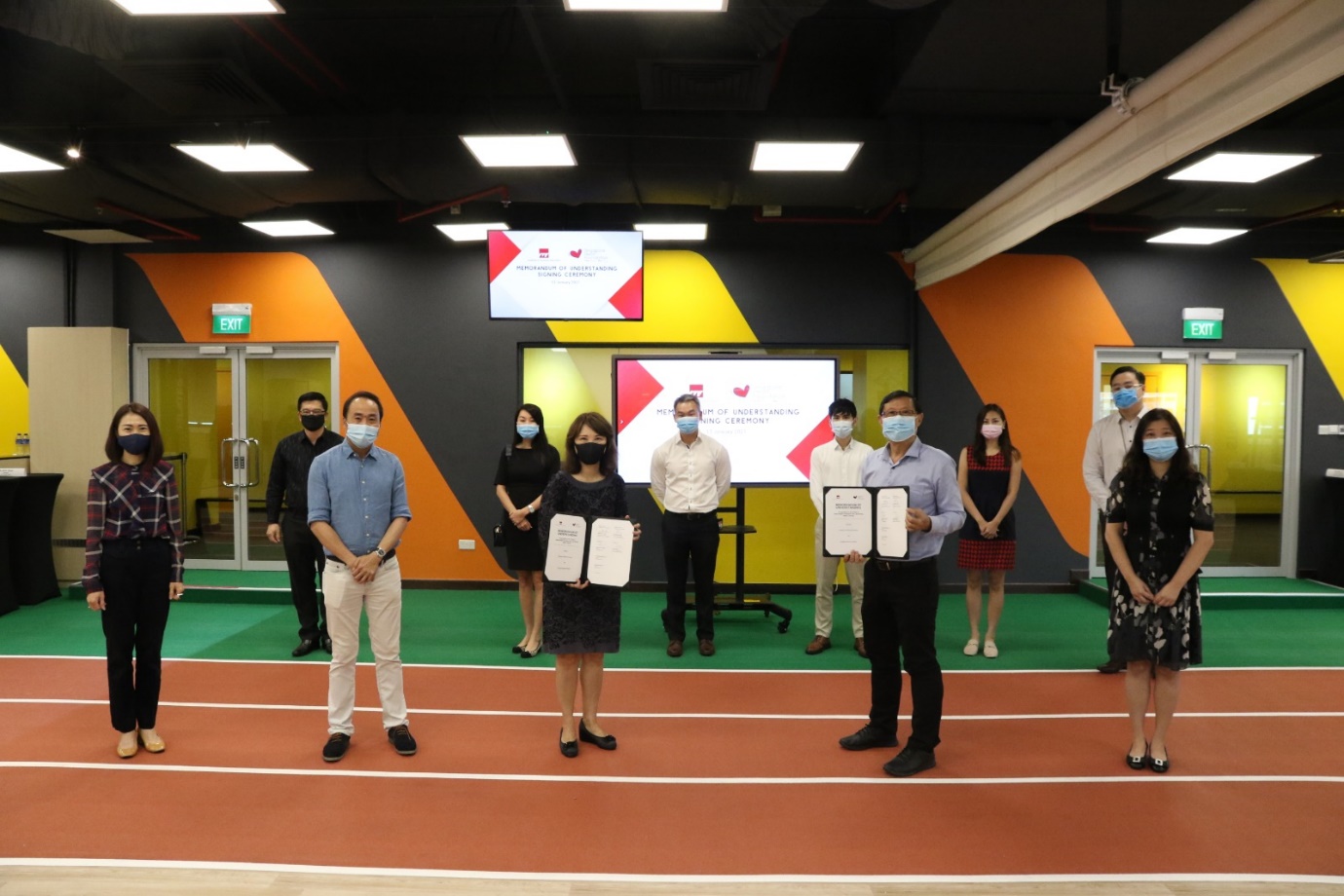
- SHF has signed a Memorandum of Understanding with Institute of Technical Education (ITE) on the opening of CPR Certification centre at Spark Fitness Hub
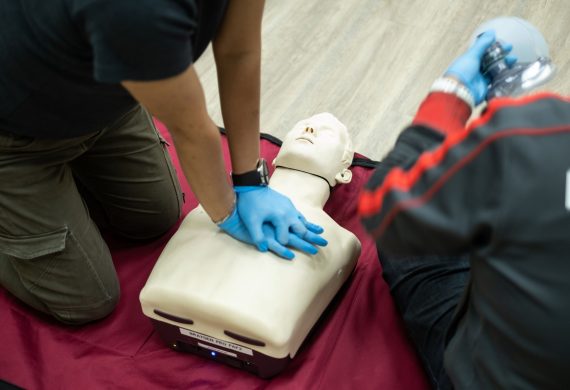
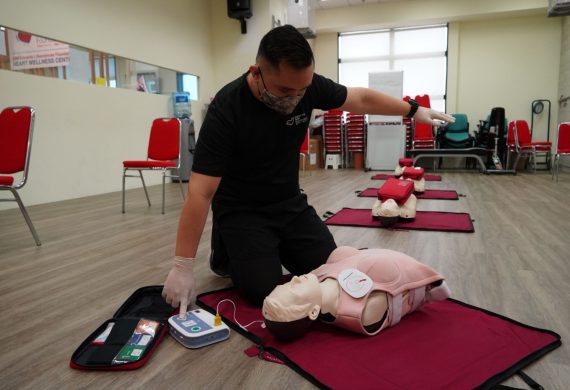
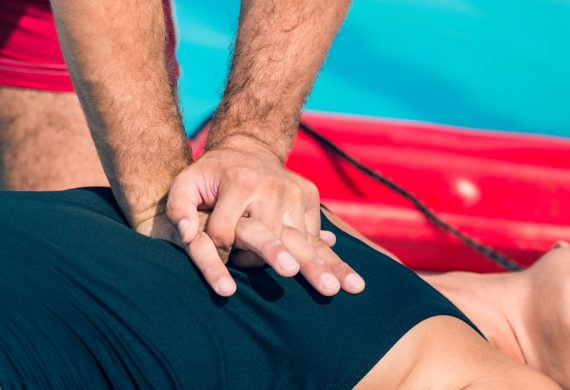
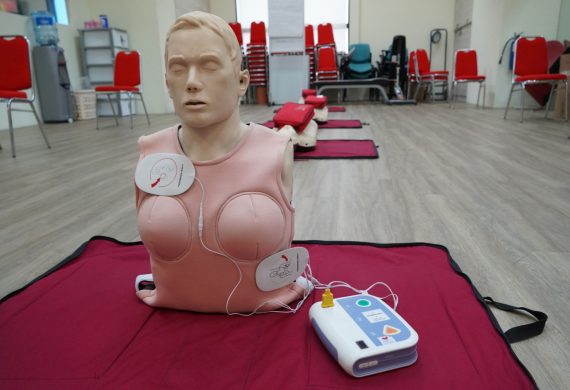
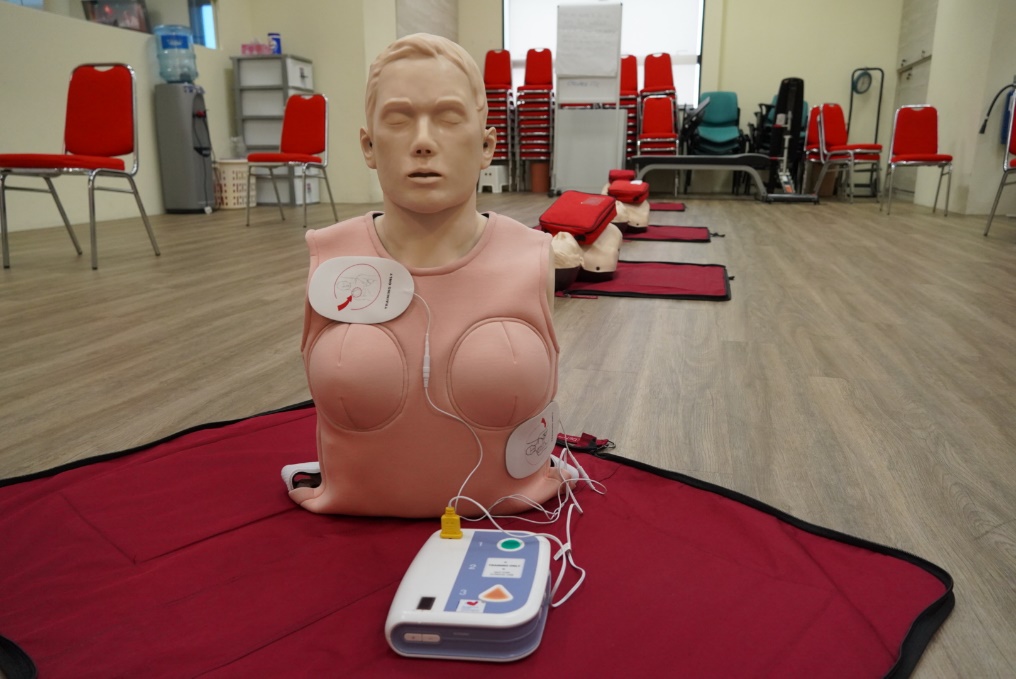
Singapore, 17 January 2021 – Leading up to National Life Saving Day (NLSD) 2021, Singapore Heart Foundation (SHF) has launched the female CPR manikin vest to increase awareness for education of cardiopulmonary resuscitation (CPR) on women. This customised female CPR manikin vest is the first of its kind in Singapore and fits most manikins in the market. This training aid will be used in SHF’s CPR+AED (Automated External Defibrillator) training programmes from now on and will be distributed to around 60 accredited CPR+AED training centres.
About 3,000 out-of-hospital cardiac arrests (OHCA) occur in Singapore every year, with about one-third of the casualties being women. With every minute that nothing is done to resuscitate the victim, chances of survival drop by 7 to 10%. Yet, according to the 2020 “Knowledge, Attitude and Practice survey on CPR+AED” commissioned by SHF and Singapore Civil Defence Force (SCDF), 6% out of 1,003 respondents quoted the fear of being accused of molest as a deterrent to performing CPR on a stranger. Hence it is imperative for bystanders to be equipped with the right mindset and techniques in effectively administering CPR+AED on women to help prevent death due to cardiac arrest.
As CPR+AED training is taught traditionally with CPR manikins of a male physique, trained lifesavers are primed to be familiar with performing CPR on males compared to females. Coupled with the fear of committing an outrage of modesty on a woman’s chest or inflicting injury on female cardiac arrest casualties, the gender gap in lifesaving widens. This proves that there is an urgent need for education on CPR+AED to be effectively administered on women, and not just men, to lower the mental barriers to save a life. SHF recognises the disparity in lifesaving and is dedicated to bridge the gender gap through equipping CPR+AED training centres with the customised female manikin vest to educate community first-responders on how to effectively administer CPR and place the AED pads on women.
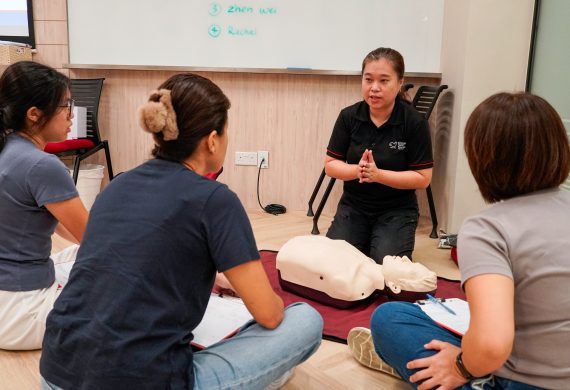
“In the course of our trainings, we often receive queries from participants on the issue of performing CPR+AED on female casualties, due to sensitivity of touching and exposing the female chest during the resuscitation process. With this female CPR manikin vest, participants can be accustomed to chest compressions around the female breasts and learn how to paste the AED pads without exposing the woman’s chest. To be frank, in such a life and death moment, no amount of embarrassment is worth refraining from saving a life. If I were to suffer cardiac arrest one day, please give me CPR!” said Ms Denise Ng, Singapore Heart Foundation CPR+AED Chief Instructor.
“Singapore Heart Foundation is committed to educating and equipping Singaporeans with the skills to perform effective CPR+AED on both men and women to respond efficiently in the event of cardiac arrest. With the distribution of the customised female manikin vests to CPR+AED training centres, more Singaporeans can enjoy greater access to training modules on administering CPR+AED on women, therefore effectively lowering the mental barriers to saving a life,” said Dr Chee Tek Siong, Board Member and Co-chairman of the Heart Safe Committee, Singapore Heart Foundation.
To mark NLSD 2021, the Singapore Heart Foundation will be conducting a webinar for CPR+AED instructors where the most recent statistics and key findings on OHCA in Singapore such as bystander CPR and bystander AED rates, will be shared by the Unit for Pre-hospital Emergency Care (UPEC). The webinar will also include a panel discussion on legal issues and the Good Samaritan initiative pertaining to performing CPR+AED on female casualties.
Official Release of Singapore OHCA Data Annual Report (2011- 2018)
New OHCA data to be released by UPEC on 17 January 2021, suggests that incidence of OHCA has been on an upward trend in Singapore, with 2,972 cases recorded in 2018. This is due to the rapidly aging population and a rising prevalence of chronic diseases in Singapore, such as diabetes, hypertension and other underlying heart conditions.
The latest OHCA results also found that more bystanders are stepping forward to save lives. The bystander CPR rate improved tremendously from 22% in 2011 to 61.8% in 2018 while the bystander AED usage rate has gone up from 1.8% to 7.2% in the same period.
The dramatic improvement in bystander CPR rates over the past years is mainly attributed to the success of the Dispatcher-Assisted CPR programme. The number of patients who received dispatcher-assisted CPR has been climbing steadily every year since the introduction of the Dispatcher-Assisted CPR programme in 2012. In 2018, 1,222 patients received dispatcher-assisted CPR as compared to 54 patients in 2012. 3 Cardiac arrest occurs when a person’s heart suddenly stops beating and needs to be restarted within minutes. In 2018, 13.1% of the 2,972 OHCA cases or 389 patients – the highest for the period from 2011 to 2018 – had pre-hospital Return of Spontaneous Circulation (ROSC) or put simply, their hearts were restarted at scene or en route to hospital.
Correspondingly, there was a record high of 175 survivors in 2018. The data from 2011 to 2018 shows an overall trend of increasing number of survivors despite a slight dip in 2017.
In 2018, among the patients whose OHCA cases were witnessed and had shockable heart rhythms, 25.9% of them survived to discharge. This is known as the Utstein survival rate and it is an internationally accepted benchmark measure. While the Utstein survival rates have generally been improving each year from 2011 to 2018, except for a drop in 2017, there is still much room for progress when compared to countries with top-notch emergency medical services (EMS) systems.
The report has also found that more than two-third (67.4%) of patients who survived in 2018, had good neurological function on hospital discharge.
At the same time, the 2018 OHCA statistics continue to demonstrate that about 7 out of 10 OHCA cases happened at home. In 2018, 72.8% of the OHCA cases in Singapore, occurred at home.
“The survival rates for out of hospital cardiac arrest (OHCA) victims has shown to increase with bystander Cardiopulmonary Resuscitation (CPR). Many a time, there is a fear about doing harm – like breaking ribs while doing CPR or being afraid to use the Automated External Defibrillator (AED). The breaking of ribs will not cause greater harm to the individual than the benefits of maintaining circulation with CPR. The AED is also a simple machine to operate.
The Save-A-Life initiative (SAL)1 was introduced in 2015 with the aim of increasing the survival rate of cardiac arrest victims through building a network of trained Community First Responders (CFRs) who are able to respond promptly and administer CPR-AED to victims within their immediate vicinity. Leveraging on the presence of CFRs within the community, technology (myResponder app) and publicly accessible AEDs, the SAL initiative continues to make a positive impact to cardiac arrest cases before the arrival of SCDF.
With the increasingly easy access to learn lifesaving skills, everyone can play a part in the community by being a CFR. Free training courses, such as the DARE Programme by UPEC under the SAL and SCDF’s Community Emergency Preparedness Programme (CEPP), allow the public to learn lifesaving skills such as CPR & AED. We encourage more members of the public to become CFRs and be a part of SCDF’s vision of Singapore being a nation of lifesavers,” said Colonel (Dr) Shalini Arulanandam, SCDF’s Chief Medical Officer.
Signing of Memorandum of Understanding with Institute of Technical Education (ITE)
As the nation’s leading social service agency fighting the battle against heart disease, the Singapore Heart Foundation has signed a Memorandum of Understanding (MOU) with ITE on the opening of the Spark Fitness Hub to jointly organise CPR or lifesaving related events or industry projects to engage ITE staff, students and the larger community, to promote heart health and CPR+AED training. Accessible to the public, interested individuals can be certified in CPR+AED, BCLS2+AED, SFA3+AED on the ITE College West campus, or be educated on how to administer CPR using the CPR self-learning kiosks that are located within the Spark Fitness Hub.
“Singapore Heart Foundation continues to drive the mission to encourage people to become certified community first-responders, and we hope that the MOU with ITE at Spark Fitness Hub can do just that. In 2019, an estimated number of 61,590 people were CPR+AED certified in Singapore and we hope this encouraging number can further increase with more accessible locations, where individuals can go to learn and be certified in CPR+AED,” said Dr Chee.
For more information about the Singapore Heart Foundation CPR+AED certification course as well as other courses and programmes available, please click here.
1 The Save-A-Life initiative is a collaboration between Singapore Heart Foundation and the Singapore Civil Defence Force to improve out-of-hospital cardiac arrest survival rates.
2 Basic Cardiac Life Support
3 Standard First Aid