|
Normal Blood Pressure: Guidelines for Elderly
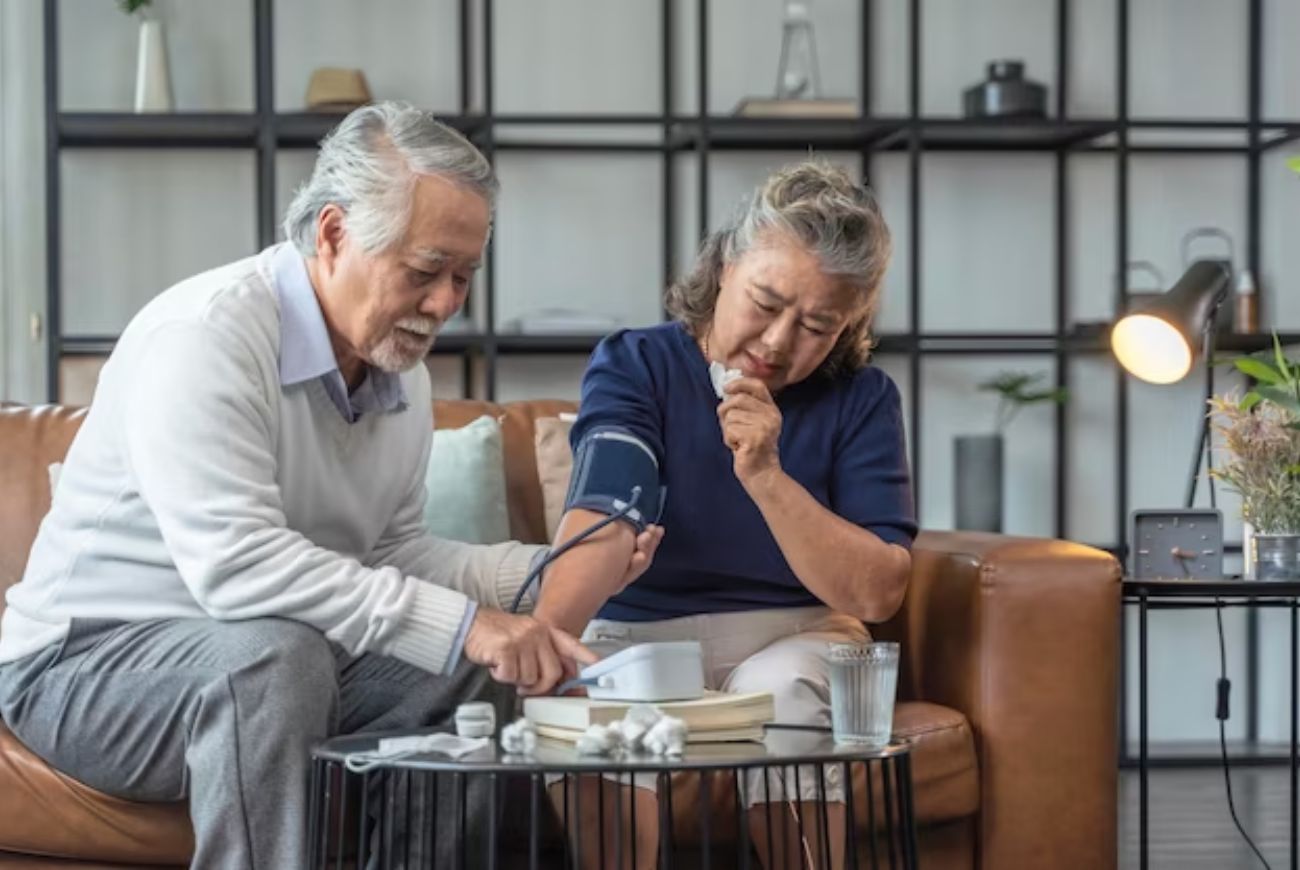
Blood pressure monitoring is necessary to ensure proper blood flow from the heart to the rest of the body1. Additionally, it gives a clear indication of the risks for heart disease, kidney disease, or strokes2. In 2021, there was a significant increase in the number of high blood pressure patients. It was found in those aged 50 to 59 years (49.7% vs 36.2%), among both genders and all education levels, and for Chinese (36.1% vs 24.7%) and Malays (37.5% vs 23.1%) compared to 20173.
Without proper monitoring and treatment of high blood pressure, there could be dire consequences such as stroke, heart failure, heart attack, chronic kidney disease and even a loss of vision.
What is Blood Pressure?

Blood pressure is the pressure of blood pushing against the walls of your arteries when your heart pumps.
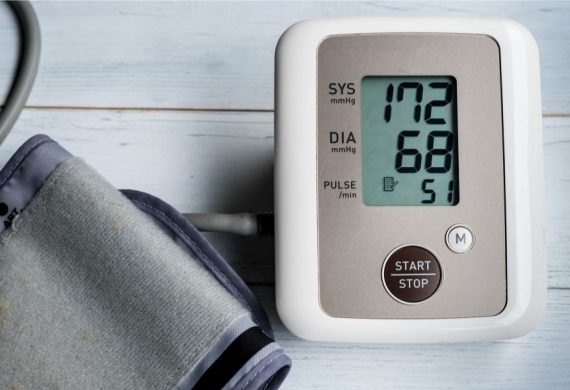
There are two numbers shown in a blood pressure reading: the systolic pressure and the diastolic pressure. Systolic blood pressure refers to the pressure in the arteries when the heart is contracting and pumping blood to the rest of the body, while diastolic blood pressure is registered when the heart relaxes and its chambers open, filling with blood.
An example of a blood pressure reading of 120/80mmHg would mean that one has a systolic blood pressure of 120mmHg and a diastolic pressure of 80mmHg.
What’s Normal For Older Adults?
In general, normal blood pressure for adults aged 18 years and above should be less than 130/85 4.
BP chart for Adults above 18 years

If you have diabetes or kidney disease, you must aim to keep your blood pressure within 120/80mmHg as marginally higher blood pressure can increase your risk of developing complications.
Note: Your blood pressure reading may vary depending on what you are doing – body position, breathing, emotional state, exercise, and sleep.
Why Does Blood Pressure Increase As We Age?
Blood pressure increases with age due to changes in the vascular system5. The arteries stiffen with age, causing more difficulty in the pumping of blood, hence resulting in the heart having to pump harder, thus raising blood pressure. In Singapore, the prevalence of hypertension increases with age, starting from 9.4% among those aged 18 to 29 to 74.9% in those aged 70 to 74 years3. This is due to their age, lower education and higher body mass index (BMI) 6.
Causes of High Blood Pressure for Seniors
There are countless causes of high blood pressure, but some of them can be modified before the condition gets serious.
Lack of physical activity
According to the National Population Survey 2020, the largest contributor of lower total physical activity in Singapore was commuting (49.6%), with only 29.2% of older adults aged 60 to 74 years exercising regularly3.
Unhealthy diet
Many age-related factors, like a less active lifestyle, poorer digestion, and lower levels of sensory perception (taste, smell and sight), lead to a change in nutritional intake. This means that seniors are unable to take in the recommended serving size and thus fail to meet daily requirements of calories, protein, fibre, vitamins and minerals7.
Excessive intake of alcohol
Drinking too much alcohol can raise blood pressure to unhealthy levels. Having more than three drinks in one sitting temporarily increase blood pressure, but repeated binge drinking can lead to long-term increased blood pressure.
Chronic stress
High levels of stress can increase our blood pressure and may encourage unhealthy lifestyle habits that further contribute to the development of the condition, such as too much alcohol, smoking, physical inactivity, and a poor diet containing too much salt, sugar, and fat.
Smoking
Smoking damages arteries and raises the risk of heart disease. The chemicals in tobacco products also lead to elevated blood pressure8.
Complications of High Blood Pressure
Common complications of high blood pressure in elderly may include:
Heart Disease
High blood pressure may damage arteries by stiffening them, which causes a decreased flow of blood and oxygen to the heart. With decreased blood flow to the heart, it can lead to9:
- Heart attack: This happens when a part of the heart muscle does not get enough blood due to a blocked artery. As a result, part of the heart muscle dies due to oxygen deprivation.
- Heart failure: The heart muscle is unable to pump enough blood to meet the body’s needs for oxygen. As a result, there is stagnation or backward pooling of blood in vital organs and vessels.
- Angina
Stroke
High blood pressure reduces the blood supply to the brain and can lead to rapid loss of brain function (e.g., vascular dementia) or stroke.
Loss of Vision
High blood pressure can strain or damage the small blood vessels in the eyes, leading to retinopathy (blood vessel damage). In addition, the lack of blood flow to the retina may result in blurring or complete loss of vision10.
Kidney Disease
Found in about 5% of hypertensive patients, high blood pressure causes blood vessels around the kidney to narrow, weaken and harden, leading to the loss of the ability to filter blood.
High blood pressure treatment
Medication and lifestyle changes are important in determining one’s health and it is a step that seniors are able to control.
- Have a healthy diet
Start by following a heart healthy diet with low salt intake, more fruit and vegetables and less refined grains.
- Incorporate Exercise
Seniors should participate in 150 – 300 minutes of moderate-intensity aerobics physical activities a week to lose weight. Start off with cardiac-friendly exercises created by the Singapore Heart Foundation.
- Maintain a Healthy Weight
Being overweight adds to your risk of high blood pressure. Maintain a healthy body mass index (BMI) of 18.5 to 22.9kg/m2.
- Limit the Use of Cigarettes
As nicotine increases the amount of fatty substance build-up in arteries, their walls harden, causing narrower pathways for blood to flow through. The reduced use of cigarettes means that there would be a lower level of nicotine in one’s blood, thus reducing the likelihood of increased blood pressure, elevated heart rate or blood clot11.
- Reduce Consumption of Alcohol
Do not consume more than 1 standard drink for women and 2 standard drinks for men per day.

- Manage Stress
Coping with problems and reducing stress can help lower high blood pressure5. Adopt activities like meditation, deep breathing or massage.
- Monitor Blood Pressure Readings
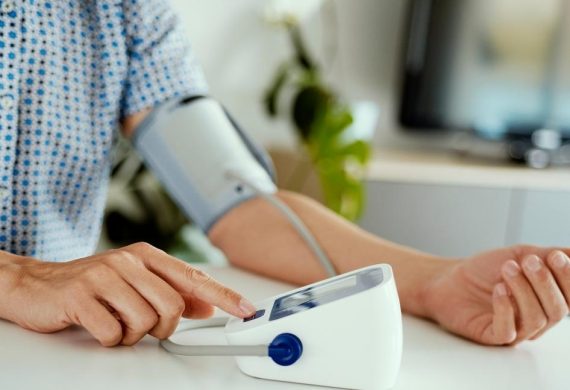
Measure blood pressure at home regularly and record it for doctor’s appointments.
- Take Blood Pressure Medication as Prescribed
BP medication such as calcium channel blockers or diuretics can be prescribed to lower high blood pressure. Calcium channel blockers help to relax the arteries and slow the heart rate, causing blood pressure to decrease while diuretics help to reduce the amount of fluid in the arteries and reduce blood pressure12. Medications are effective to lower blood pressure but should only be used when medical advice is given.
Conclusion
High blood pressure is a serious condition with dire consequences if it is not treated properly. Hence, detecting high blood pressure early is extremely important. Healthy blood pressure levels can be achieved through lifestyle changes such as participating in sufficient physical activity, adopting a healthy diet and ensuring attendance at medical appointments. The secret to a high blood pressure-free life is to eat well, sleep well and exercise well.
References
- Metkus, T. S., Dugdale, D. C., & Conaway, B. (2022, September 23). Blood pressure. MedlinePlus. Retrieved July 5, 2023, from https://medlineplus.gov/ency/anatomyvideos/000013.htm
- (n.d.). Measure Your Blood Pressure. Centers for Disease Control and Prevention. Retrieved July 5, 2023, from https://www.cdc.gov/high-blood-pressure/measure/
- Epidemiology & Disease Control Division and Policy, Research & Surveillance Group, Ministry of Health and Health Promotion Board, Singapore (n.d.). National Population Health Survey 2020. Ministry of Health. Retrieved July 5, 2023, from https://www.moh.gov.sg/docs/librariesprovider5/default-document-library/nphs-2020-survey-report.pdf
- Chapter of Family Medicine Physicians Academy of Medicine, Singapore. Chapter of Endocrinologists College of Physicians, Singapore, College of Family Physicians Singapore and Singapore Hypertension Society (n.d.). Hypertension. Ministry of Health. Retrieved July 5, 2023
- (2022, October 1). High Blood Pressure and Older Adults. National Institute on Aging. Retrieved July 5, 2023, from https://www.nia.nih.gov/health/high-blood-pressure-and-older-adults
- Seow, E. L. S., Subramaniam, M., & Abdin, E., et al. (2015). Hypertension and its associated risks among Singapore elderly residential population. Journal of Clinical Gerontology and Geriatrics, 6(4). https://www.sciencedirect.com/science/article/pii/S2210833515000453
- (2021, December 21). Your Golden Years: Nutrition for the Elderly. Health Hub. Retrieved July 14, 2023, from https://www.healthhub.sg/live-healthy/1041/nutrition-for-the-golden-years
- Durso, S. C. (n.d.). Hypertension: What You Need to Know as You Age. Johns Hopkins Medicine. Retrieved July 7, 2023, from https://www.hopkinsmedicine.org/health/conditions-and-diseases/high-blood-pressure-hypertension/hypertension-what-you-need-to-know-as-you-age
- (2021, May 18). High Blood Pressure Symptoms and Causes. Centers for Disease Control and Prevention. Retrieved July 14, 2023, from https://www.cdc.gov/high-blood-pressure/about/
- (2022, March 4). How High Blood Pressure Can Lead to Vision Loss. American Heart Association. Retrieved July 14, 2023, from https://www.heart.org/en/health-topics/high-blood-pressure/health-threats-from-high-blood-pressure/how-high-blood-pressure-can-lead-to-vision-loss
- Chuck, Y. K., Dr (2022, October 17). The Relationship Between Cigarette Smoking and High Blood Pressure. HealthMatch. Retrieved July 14, 2023, from https://healthmatch.io/high-blood-pressure/why-smoking-increases-blood-pressure#overview
- Guo, W. Q. K., Dr (2021, February 9). How to Treat High Blood Pressure. Gleneagles Hospital Singapore. Retrieved July 14, 2023, from https://www.gleneagles.com.sg/health-plus/article/how-to-treat-high-blood-pressure