|
Safeguard Your Heart This Holiday and Beyond
It is a time of good cheer, relaxation and celebration, but with the stress from spring cleaning, choosing the right gifts, excessive drinking and feasting, Christmas and New Year can be hard on your heart. Learn the risk factors and triggers of a heart attack and take steps to prevent one from striking this holiday and beyond.
By SAMANTHAN CHAN, CHNG KHENG LENG
Heart attacks seem like they strike out of the blue, but most do not. They usually appear after cholesterol-rich plaque has festered for a long time in arteries, blocking blood flow to the heart and damaging heart muscles, causing a heart attack.
Various reports in Western societies highlight an interesting trend of increased heart attacks during the festive year-end season. In particular, a 2018 Swedish research observed that the risk of a heart attack during the Christmas-New Year period was 15% higher than a regular day in December, with the highest being 40% on Christmas Eve. So what makes a heart attack more likely to happen at a particular time? Some possible triggers may include excessive food intake, alcohol and emotional and physical stress around the holidays.
While there is no local study of a similar nature, these overseas studies serve as reminders for us to be mindful of the unhealthy activities and triggers that we too experience or engage in over festive seasons, which may increase the odds of a heart attack down the road.
Stress
It is postulated that sudden emotional or physical stress can trigger “Broken Heart Syndrome”, a reversible condition that presents symptoms similar to a heart attack. Blood flow to heart muscles is reduced due to spasm in heart arteries instead of a blockage, resulting in chest pain and shortness of breath. Most people recover within a few days to a week.
It is important to note that constant stress can lead to high blood pressure and poor health behaviours like smoking and eating unhealthily, which are major risk factors for a heart attack.
Tips:
- Exercise 150 minutes a week. Try yoga or meditation to relieve stress, tension and anxiety.
- Get enough sleep. Adults should aim for seven hours a night.
- Find a fun hobby to distract you from negative thoughts or worries.
Overeating
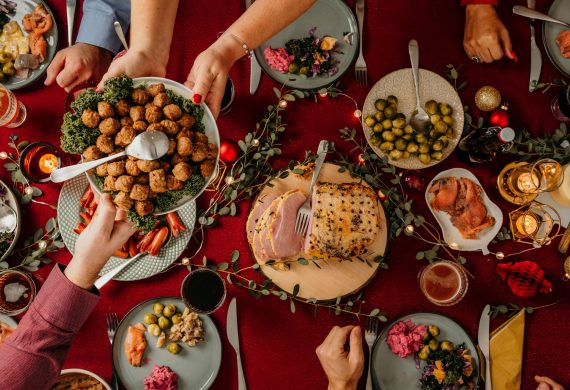
Festive periods are often incredibly indulgent periods of eating. According to an American Heart Association study, heart attack risk increases 4 times in the two hours after a heavy meal – especially in someone who has heart disease. Eating and digesting a large amount of food bring about increased heart rate and blood pressure, creating an extra burden on the heart. High blood pressure may also rupture cholesterol plaques in the arterial wall, cause the formation of a blood clot and trigger a heart attack or stroke.
Tips:
- Focus on your company. The holiday season is not only about food but also a wonderful time to cultivate quality connections with family, friends and colleagues.
- Control portions, slow down and stop when full.
- Choose nutritious foods. Opt for whole-grains, fruit and vegetables, and limit options rich in sugar, salt and fats.
Binge Drinking
Excessive drinking can lead to high blood pressure, heart muscle disease and atrial fibrillation, which may result in blood clots, stroke and heart failure. A study from Harvard T.H. Chan School of Public Health found that heavy alcohol drinking was associated with a 1.3- to 2.3-fold higher risk of heart attacks and strokes in the following day, with acute effects most apparent in participants who did not drink alcohol daily. Gin, vodka, and whiskey were found to pose the greatest risk.
In the longer term, alcoholic drinks, being high in calories, contribute to obesity and high triglyceride levels in the blood, thus raising the risk of heart attack and stroke.
Tips:
- Keep to not more than one standard drink a day for women and two drinks a day for men.1 standard drink = A can of beer (330ml) or one glass of wine (100ml) or one nip (30ml) of spirits
ADHERE TO MEDICATION, DO NOT IGNORE SYMPTOMS
With various preparations and spring cleaning, the holidays can bring added challenges for those managing multiple medications. It is recommended to set an alarm on your phone to reduce the risk of a missed dose.
Also, do not ignore symptoms that may require emergency medical care. Remember these signs of a heart attack and call 995 immediately:

Protect your heart with simple lifestyle habits, and you will be able to enjoy the holidays for many more years to come.